
Wedding Seating Chart or No Seating Chart: Pros and Cons
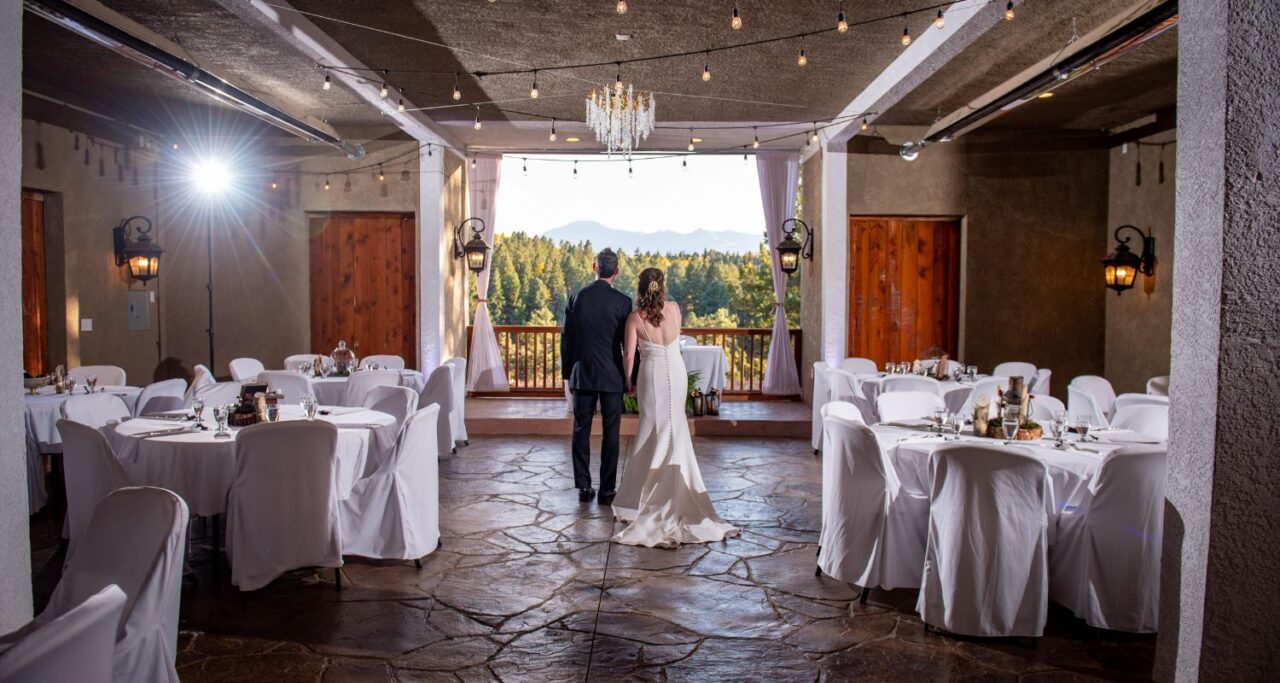
A wedding seating chart provides structure, reduces confusion, and helps ensure guests feel comfortable, but it takes time to plan. Open seating allows flexibility and a more casual vibe, though it can cause chaos during dinner service. The best option depends on your guest count, venue setup, and wedding style.
What Is a Wedding Seating Chart?
A wedding seating chart is a planned layout showing where each guest will sit during the reception. It can range from a detailed table map with name cards to simple “assigned tables only.”
While it might seem like a small detail, your seating plan directly affects your reception’s flow, guest comfort, and even catering timing.
Why Most Couples Choose a Seating Chart
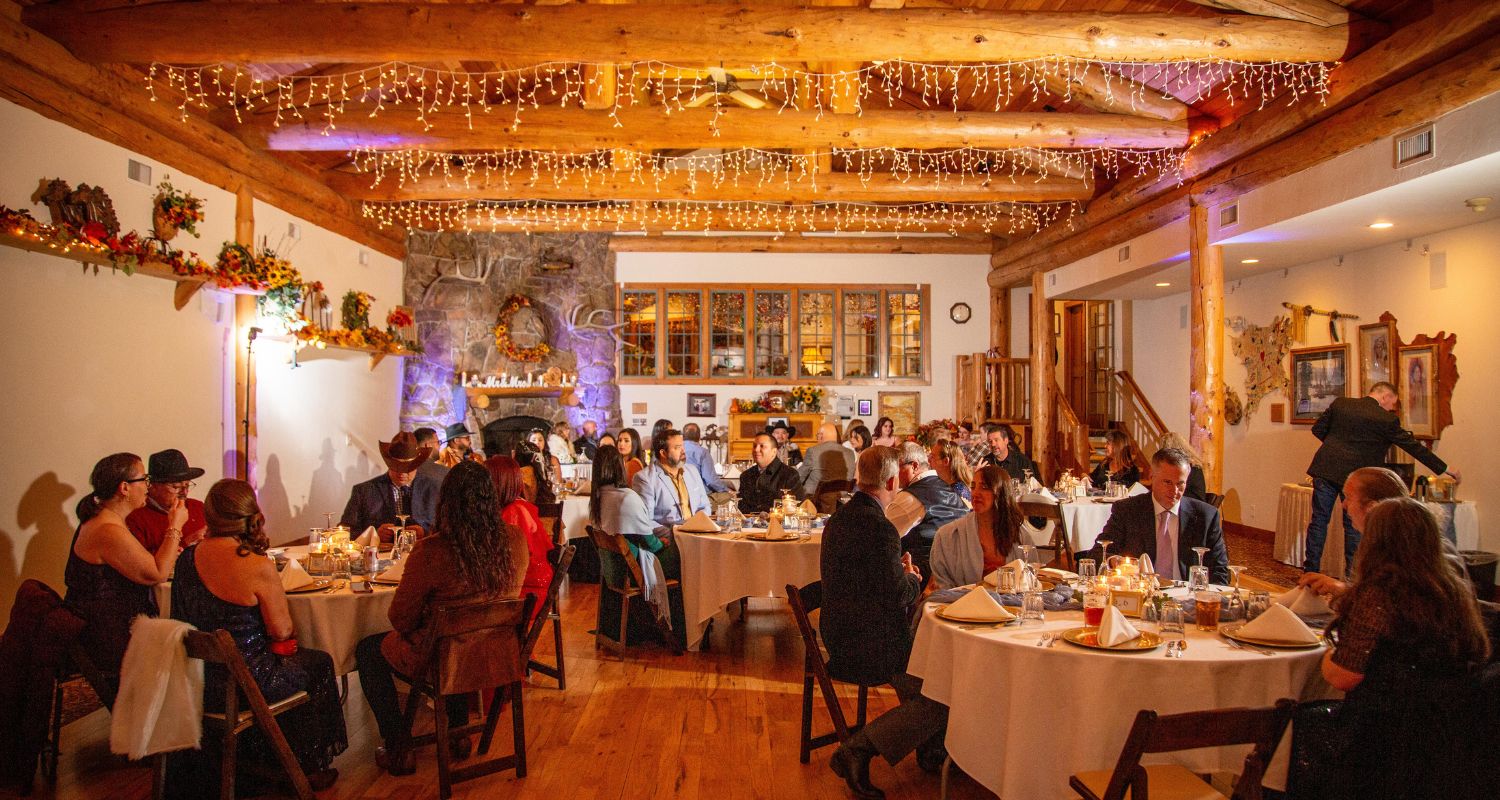
Having a wedding seating chart gives you more control and helps your day run efficiently, especially for receptions with more than 60 guests, a range that covers most Colorado Springs ballroom and banquet-hall weddings. It also helps your caterer, planner, and emcee coordinate the flow of events.
Top Benefits of Having a Seating Chart
- Efficient Meal Service: Perfect for plated dinners where each guest has a pre-selected meal or dietary need. Servers know who gets what without confusion.
- Guest Comfort: Nobody has to scramble for seats or wonder where to go. It eliminates awkward moments and helps people relax faster.
- Family Dynamics Management: You can seat relatives strategically. Keeping divorced parents apart, ensuring elderly guests are near exits, and kids near their parents.
- Smooth Reception Flow: Tables fill evenly, photographers know where to find key people, and your coordinator can keep the schedule tight.
- Personal Touch: Thoughtful seating can enhance guest experience, like pairing old friends or mixing groups to encourage new connections.
Pro Tip: Print a clear seating display at the reception entrance and use matching place cards at each table. Not only does it help guests find their seats easily, but it also adds a cohesive design touch to your décor.
Challenges of Creating a Seating Chart
While a seating chart offers structure, it can be one of the trickiest parts of wedding planning.
Drawbacks Include:
- Time-Intensive Planning: Assigning over 100 guests to tables takes strategy, patience, and multiple revisions.
- Last-Minute Changes: RSVPs, no-shows, or surprise plus-ones can throw off your layout.
- Limited Flexibility: Guests can’t easily switch seats or sit beside someone unexpected.
- Design Logistics: You’ll need to coordinate escort cards, signage, and floor plans with your planner or venue.
Pro Tip: Start your seating chart after your final RSVP count is confirmed, typically 3 to 4 weeks before the wedding, and finalize adjustments a few days before the event. Use tools like AllSeated, Zola, or WeddingWire to save hours of manual rearranging.
Why Some Couples Skip the Seating Chart
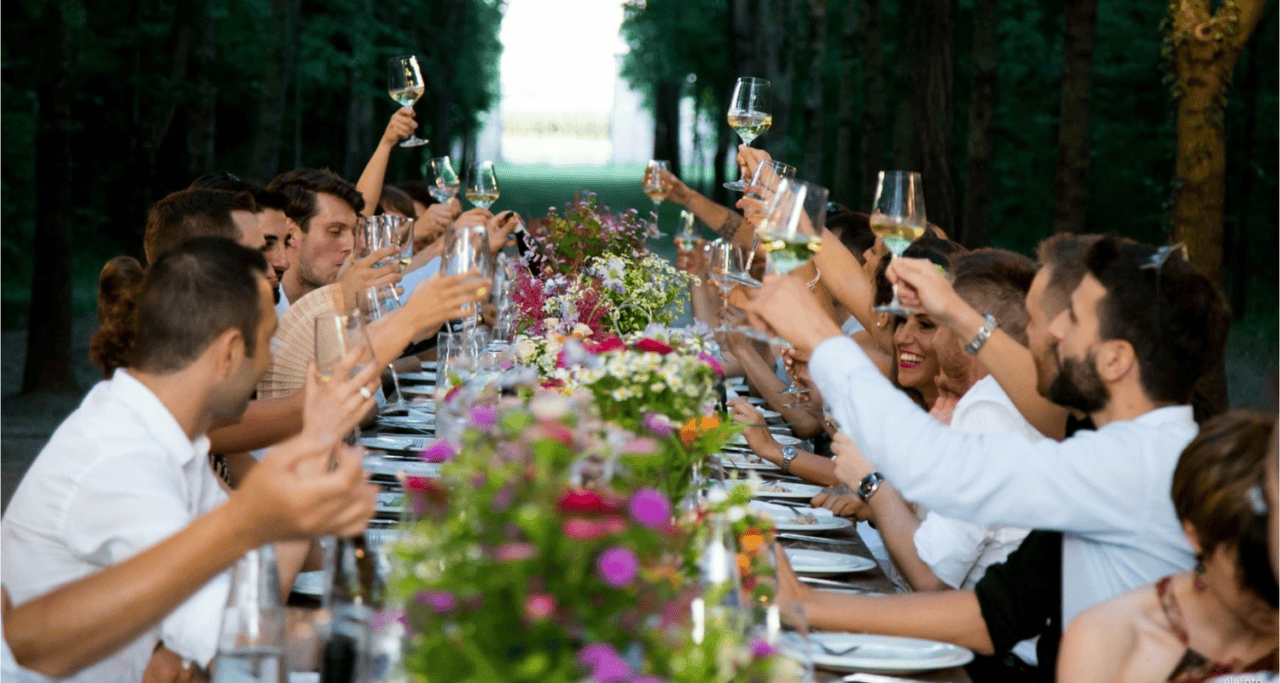
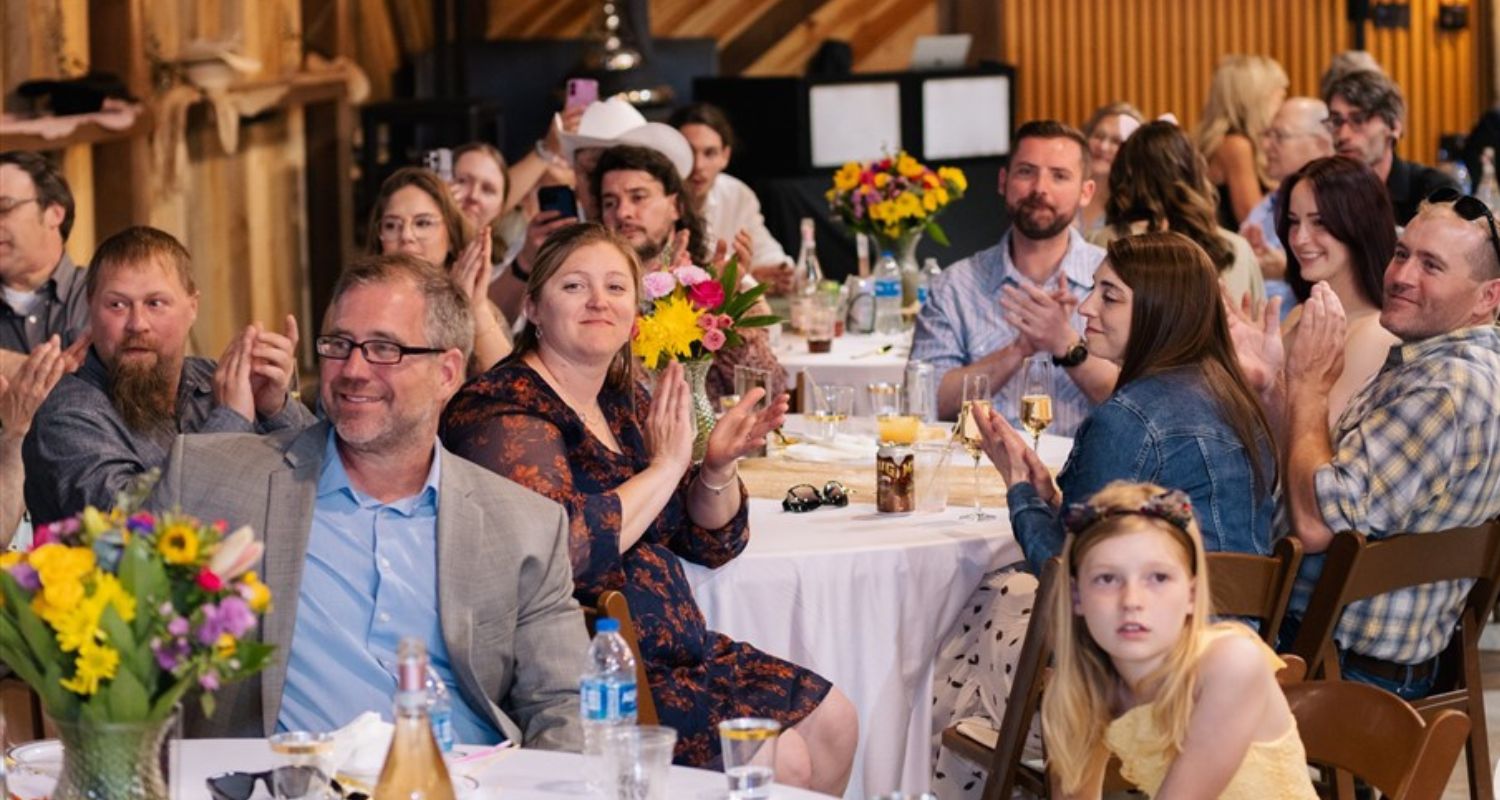
If you’re planning a casual or intimate wedding, open seating (no assigned seats) can make the event feel relaxed and effortless. It’s a great option for outdoor weddings, destination elopements, and cocktail-style receptions.
Benefits of No Seating Chart
- Laid-Back Vibe: Guests mingle freely and sit wherever they feel most comfortable.
- Less Planning Stress: You won’t need to organize tables or print escort cards.
- Ideal for Buffets: Guests can eat at their own pace without waiting for table service.
- Encourages Socializing: Perfect for small groups who already know each other.
- Flexible Layouts: Works well for picnic-style receptions or venues with shared tables, lounges, or high-top seating.
Potential Downsides of Open Seating
Without structure, things can get a bit chaotic, especially when your guest list is large or diverse.
Drawbacks Include:
- Seat Scrambling: Guests may rush to grab seats or end up separated from their group.
- Empty Spots: Some tables may fill quickly while others remain half-empty, affecting your layout and photo balance.
- Meal Confusion: Caterers may struggle to serve plated meals accurately.
- Guest Discomfort: Introverted guests or those attending solo might feel awkward finding a spot.
- Accessibility Issues: Elderly guests or parents with small kids might not find convenient seating.
Pro Tip: If you prefer open seating, reserve 1–2 tables for VIPs, like immediate family or the wedding party to ensure they’re comfortable and close to the couple.
Finding the Right Balance: Hybrid Seating
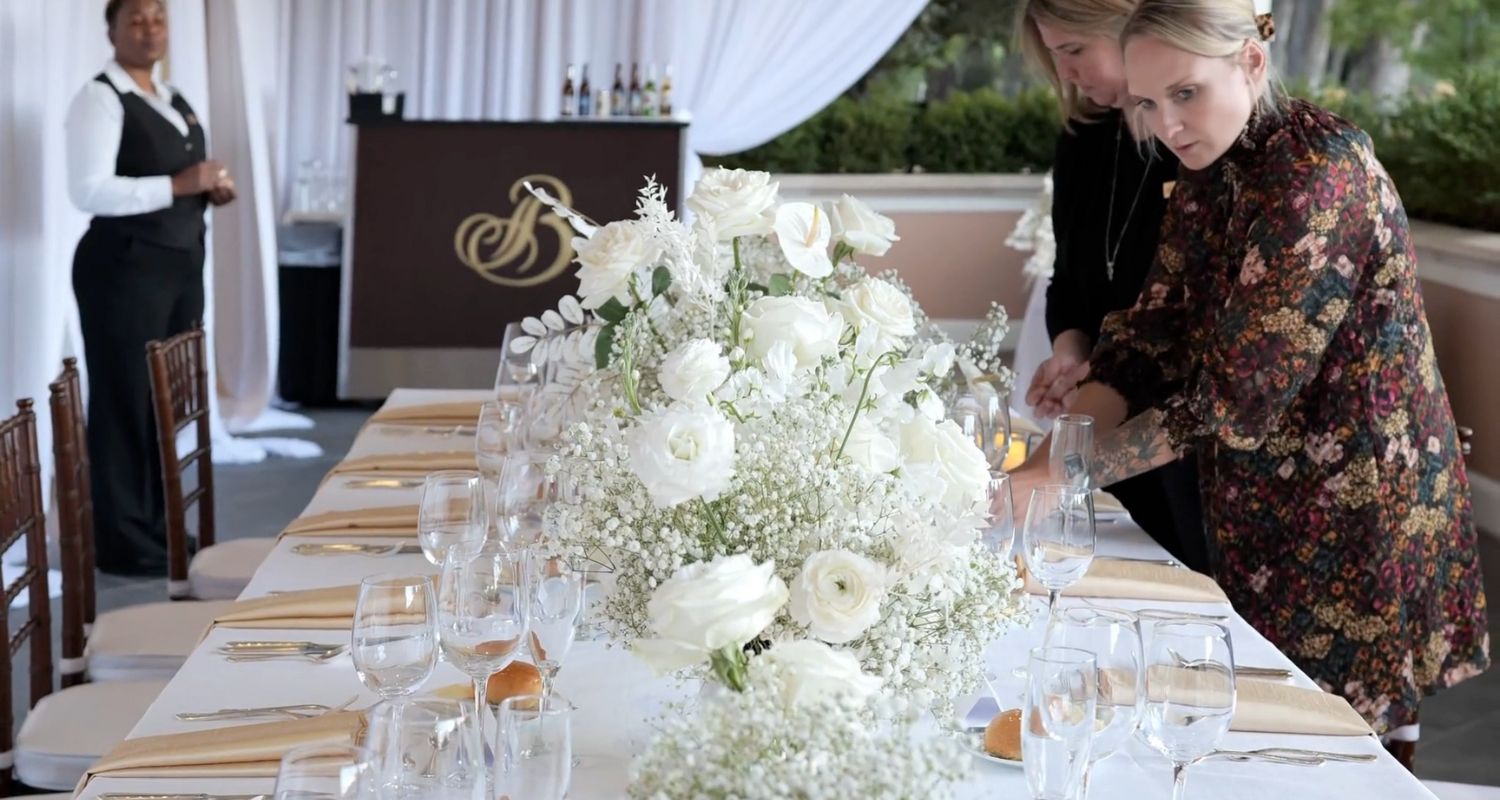
Many modern couples are choosing a hybrid setup. A smart mix of assigned and open seating.
How It Works:
- Assign guests to tables (not specific seats) to maintain order while giving them freedom to choose who they sit beside.
- Keep the front or center tables reserved for family and bridal party members.
- Allow open seating for casual friends, coworkers, and evening guests.
- This method keeps the flow relaxed while preventing overcrowded or uneven seating.
How to Decide What’s Best for You
Ask these practical questions before finalizing your seating plan:
How big is your wedding?
- Over 75 guests? A seating chart keeps things organized.
- Under 50 guests? Open seating can feel natural and intimate.
Colorado Springs venues run the gamut, from cozy 40-guest spaces to ballrooms and halls that seat 250, so match your decision to your actual room, not just a guest-count rule of thumb.
What’s your meal service type?
- Plated dinner → Go with a seating chart.
- Buffet or grazing stations → Open seating works best.
What’s your venue layout?
- Ballroom or indoor venue: Structured seating helps coordinate floor plans.
- Outdoor garden or barn: Flexible seating fits the relaxed setting.
What’s your wedding vibe?
- Elegant and formal: Seating chart recommended.
- Casual or bohemian: Open or hybrid seating suits the mood better.
FAQs About Wedding Seating Charts
Do I really need a seating chart?
Not always, but it’s highly recommended for larger receptions. It prevents confusion and helps meal service run smoothly.
How many guests can I have with open seating?
Open seating works best for small weddings under 60 guests or casual receptions.
When should I start planning my seating chart?
Begin organizing 3-4 weeks before the wedding after receiving all RSVPs. Make updates 1-2 days before the event.
How can I make open seating less chaotic?
Add “Reserved” signs for key tables and encourage early seating announcements by your DJ or MC.
Can I have both assigned and open seating?
Yes! Assign tables to family and the wedding party, and leave the rest open for guests to choose. It’s a balanced, guest-friendly approach.
What tools help with seating charts?
Try digital tools like Zola, AllSeated, or WeddingWire for drag-and-drop layouts, name tagging, and printable diagrams.
Will my day-of coordinator help build my seating chart?
Yes. Our Colorado Springs day-of coordinators help finalize your table assignments, print your seating display, and manage any last-minute changes so you’re not troubleshooting name cards the morning of your wedding.
Both seating charts and open seating have clear advantages. The right choice depends on your wedding size, catering style, and guest personalities.
If you’re hosting a formal or large wedding, a seating chart ensures order and comfort for everyone. For intimate, relaxed celebrations, open seating creates a friendly, easygoing environment. Some couples even combine both for the best of both worlds.
At the end of the day, your goal is to make guests feel welcome, comfortable, and connected, no matter where they sit.
Planning with Complete Weddings + Events Colorado Springs
At Complete Weddings + Events, we’re here to make your wedding day feel seamless, from your walk down the aisle to the laughter shared at every table. Whether your reception is fully planned or free-flowing, we’ll capture each smile, glance, and moment in timeless detail.
Still working out the rest of your reception timeline? Take a look at our guide to planning a rehearsal dinner, or let our day-of coordinators handle the execution so you don’t have to.
Contact us to learn more about our Colorado wedding photography and videography packages. Let’s create memories that last a lifetime!