
Single Vendor Versus Multiple Vendors

When you start reaching out to photographers, DJs, videographers, and photo booth companies one by one, the question of single vendor versus multiple vendors stops being theoretical. It becomes a real planning decision that affects your budget, timeline, communication, and stress level. For couples and event hosts who want a beautiful celebration without turning planning into a second job, this choice matters more than most people expect.
Single vendor versus multiple vendors: what changes?
At a basic level, a single-vendor approach means booking several event services through one company. A multiple-vendor approach means hiring separate businesses or freelancers for each service, such as photography from one company, entertainment from another, and lighting from someone else.
Neither option is automatically better for every event. The right fit depends on how much coordination you want to manage, how customized your event needs to be, and how confident you feel juggling different teams.
For many weddings and milestone celebrations, the biggest difference is not just who you hire. It is how the entire planning experience feels from the first inquiry to the last dance.
Why many planners choose one provider
If your priority is simplicity, a single vendor often makes planning easier right away. You have fewer contracts to review, fewer payment schedules to track, and fewer separate conversations happening at once. That may sound like a small thing early on, but it becomes much more valuable as your event gets closer.
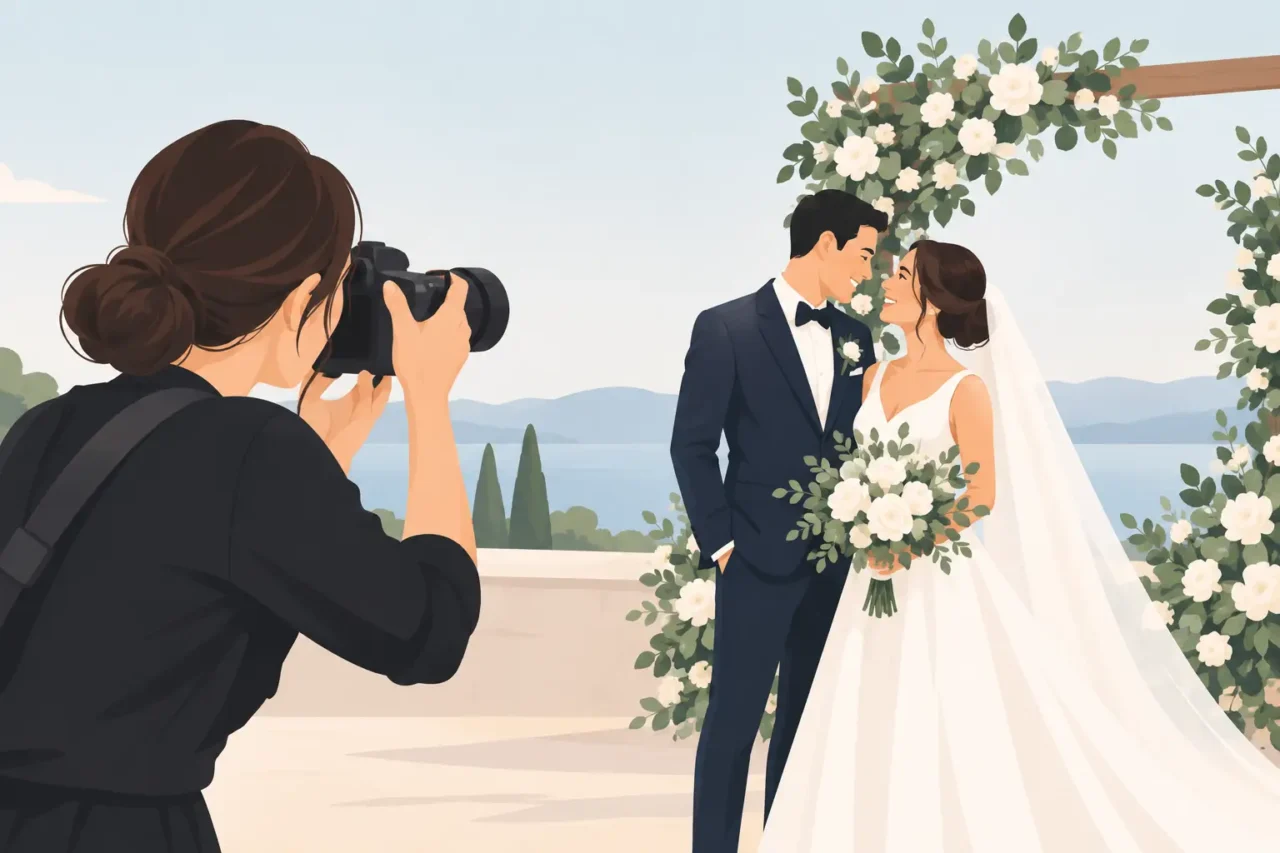
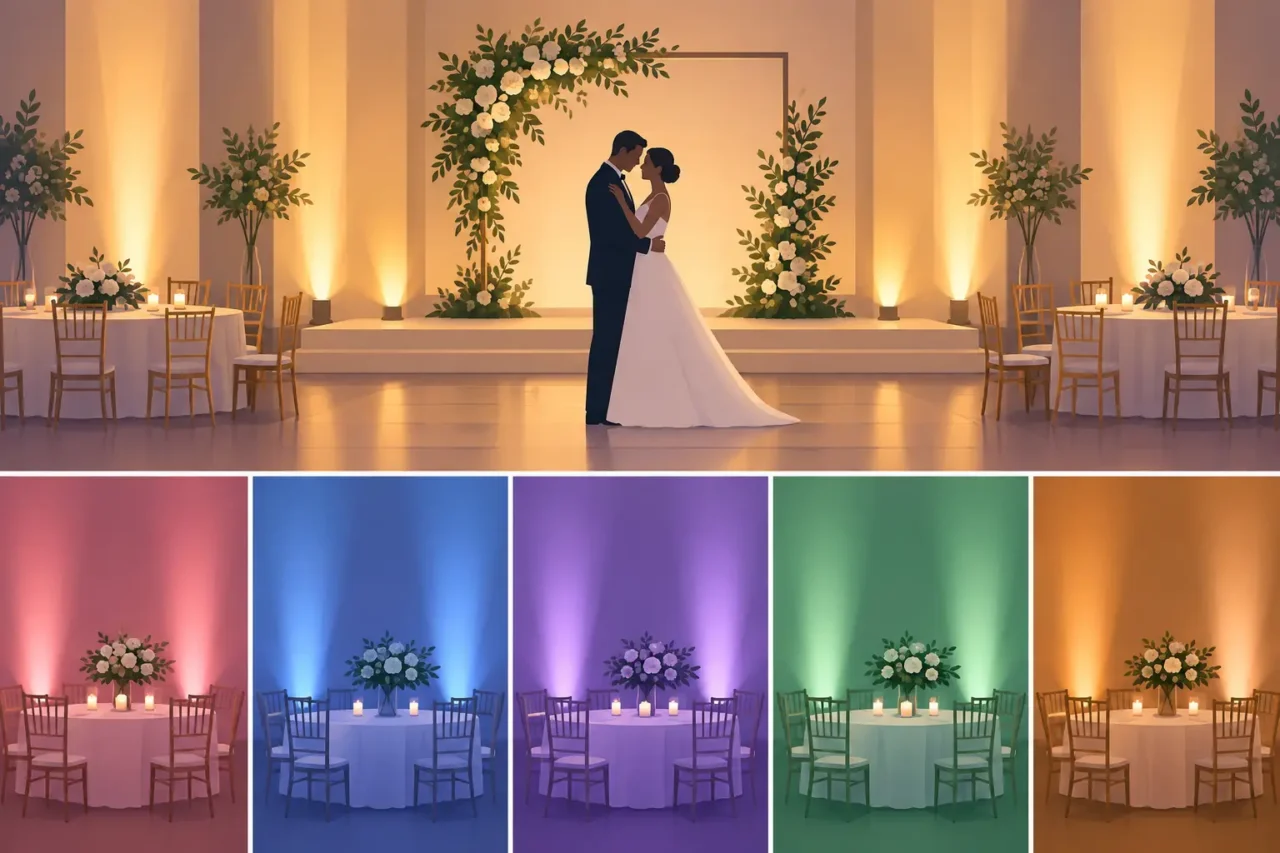
A wedding, quinceañera, birthday party, or corporate event usually has moving parts that overlap. Your DJ needs to know when the photographer wants to pull you for sunset photos. Your videographer needs to know when speeches begin. Lighting can affect the look of your photos and the feel of the dance floor. When those services are coordinated under one roof, the event tends to run with less friction.
That built-in coordination is one of the strongest arguments in the single vendor versus multiple vendors conversation. Instead of acting as the middle point between several businesses, you work with one team that already understands how its services fit together.
There is also consistency to think about. A company that regularly delivers photography, videography, entertainment, and lighting together is often better prepared to create a cohesive guest experience. The energy, timing, and visual style of the event can feel more connected because the team is not meeting one another for the first time on event day.
Where multiple vendors can make sense
That does not mean multiple vendors are the wrong choice. In some cases, they are exactly the right one.
If you have a very specific creative vision and already know the exact photographer or DJ you want, booking separate specialists can give you more control. Some planners enjoy researching individual vendors and building a custom team from scratch. If you are highly organized, comfortable comparing contracts, and willing to manage communication across several businesses, that approach can work well.
Multiple vendors can also be useful when your event has niche needs. Maybe you want a documentary-style photographer, a bilingual MC, and a specialty lighting design that comes from a dedicated production company. If those preferences point you in different directions, separate vendors may be the better route.
The trade-off is management. More vendors usually means more emails, more timelines, more personalities, and more chances for crossed wires. That does not guarantee problems, but it does increase the amount of planning oversight required from you or your coordinator.
Budget: cheaper is not always simpler
A lot of people assume using one provider will always cost less, or that hiring separate vendors will always create a more premium result. Neither assumption holds up every time.
A single vendor can often offer package pricing or bundled services that reduce overall cost. Even when the total price is similar, the value can be stronger because you are paying for convenience, coordination, and less administrative hassle. For busy couples and families, that has real worth.
On the other hand, multiple vendors can sometimes help you fine-tune your spending. You might decide to invest more heavily in photography, spend less on lighting, and skip extras that do not matter to you. That level of mix-and-match control appeals to people who want to prioritize very specific parts of the event.
Still, budget should not be viewed only through the lens of line-item pricing. The single vendor versus multiple vendors decision also affects the hidden costs of planning: time spent researching, time spent following up, and the risk of mismatched expectations between providers. A lower quote from separate vendors is not always the better value if it creates more stress or a less coordinated event.
Communication is where the difference shows up fast
Most event planning stress does not come from one major issue. It comes from dozens of little details that need answers. Who is arriving first? Who is bringing microphones? Who is cueing the grand entrance? Who is adjusting if dinner runs late?
With multiple vendors, those answers often depend on you making sure everyone stays aligned. Even with talented professionals, different companies may have different planning styles, response times, and assumptions. One vendor may expect a full production timeline weeks in advance while another is comfortable finalizing details a few days before the event.
With a single provider, communication tends to be more centralized. That means fewer opportunities for missed information and fewer moments where you are repeating the same update to three or four separate teams. For clients who value confidence and ease, that is often the deciding factor.
Event-day execution and guest experience
Guests may never know how many vendors you hired, but they will notice how the event feels. Smooth transitions, clear announcements, well-timed special moments, and a packed dance floor all come from good coordination.
That is why the single vendor versus multiple vendors choice matters beyond planning spreadsheets. It shapes the guest experience. If your photographer, videographer, DJ, and lighting team are working with shared expectations, special moments tend to land better. There is less confusion around timing and fewer delays during key parts of the celebration.
This matters even more for milestone events with emotional moments and tight schedules. Weddings, bar and bat mitzvahs, quinceañeras, and school events all rely on pacing. When vendors operate as a connected team, the event often feels more polished without feeling forced.
When a single vendor is usually the better fit
If you want a streamlined process, one main point of contact, and services that are designed to work together, a single provider is often the smart choice. It is especially helpful for people balancing work, family, and a long event to-do list.
This approach also works well when reliability matters more than the thrill of vendor hunting. Many planners are not looking to curate a team from scratch. They want professionals they can trust, flexible package options, and a smoother road from booking to event day. That is a big reason companies like Complete Weddings + Events appeal to clients planning weddings and celebrations across Colorado Springs and nearby communities.
When multiple vendors may be worth the effort
If you are deeply hands-on, have a clear creative direction, and enjoy comparing specialists, multiple vendors can give you more freedom. You may also prefer this route if one service matters far more than the others and you want to hand-pick each provider based on a very specific standard.
Just go into the process with realistic expectations. More choice can be a benefit, but it usually comes with more responsibility. If you do not have the time or interest to coordinate moving pieces, the freedom may not feel worth it later.
How to make the right call for your event
A good way to decide is to ask yourself one honest question: do you want to build a team, or do you want to book a team?
If you want to build one, multiple vendors may suit you. If you would rather book a coordinated group of professionals who can cover several essential services together, a single vendor is likely the better fit.
There is no gold-star answer that applies to every event. Some celebrations need maximum customization. Others need clarity, efficiency, and fewer open tabs on your laptop. The best choice is the one that gives you confidence before the event and peace of mind during it.
The right vendors should make you feel more excited about your celebration, not more buried by logistics. Start there, and the decision tends to get a lot clearer.