Corporate Event Production Guide for Better Events
At 8:47 a.m., a keynote speaker asks for a different slide deck, the registration line starts forming early, and the executive team wants to know whether the awards video is ready. That is when event production matters. A corporate event production guide gives your team a way to turn a big idea into a well-run experience, with clear ownership for every cue, transition, and guest touchpoint.
Corporate events have a job to do. They may need to recognize employees, introduce a new initiative, strengthen client relationships, raise funds, or simply give people a reason to reconnect. The production plan should support that purpose from the first invitation through the final goodbye.
Start With the Outcome, Not the Equipment
Before selecting lighting, booking entertainment, or building a stage, define what success looks like. A company holiday party and a leadership conference can both have great food and music, but their production needs are very different. One may be designed around celebration and connection; the other may depend on speakers being heard clearly and content being delivered on schedule.
Ask a few practical questions early: Who needs to feel included? What should attendees know, do, or remember afterward? Which moments deserve the most attention? A product launch may need a high-impact reveal. An awards dinner may need an MC who can keep recognition moving while protecting the emotional weight of each winner’s moment.
Then decide how you will measure results. Registration numbers, attendance, survey responses, social sharing, leads, donations, and employee feedback can all be useful. The right measure depends on the event’s purpose, but setting it upfront helps prevent spending on details that do not serve the goal.
Build a Corporate Event Production Plan Around the Guest Experience
Production is not only sound systems and spotlights. It is the complete flow of what guests see, hear, and feel. Consider the event as a sequence: arrival, check-in, welcome, program, breaks, activities, and departure. Each transition is an opportunity to either build confidence or create confusion.
A clear arrival experience matters more than many planners expect. Guests should know where to park, where to enter, where to check in, and where to go next without having to hunt for answers. Signage, lighting, music, and a friendly welcome team can set the tone before the first speaker takes the stage.
During the program, protect the audience’s attention. Keep speaker handoffs organized, use walk-up music when it fits the brand, and avoid lengthy pauses while someone finds a microphone or loads a presentation. For a multi-hour event, plan changes in pace. A short video, a live announcement, audience recognition, or a photo booth break can reset the room and keep energy from fading.
The best choices depend on the audience. A formal client dinner may call for understated lighting and a polished host. A company celebration may benefit from a DJ, interactive photo booth, and a fuller dance floor later in the evening. There is no single formula, but every element should feel intentional.
Create One Working Run of Show
A run of show is the document that keeps the event moving when schedules shift and questions come quickly. It should be detailed enough for the production team to act on, but simple enough that key decision-makers can scan it under pressure.
Include start and end times, room opens, vendor arrivals, sound checks, registration timing, meals, speaker segments, videos, awards, entertainment, and teardown. For each major item, assign an owner. If an executive is introducing a guest, identify who cues them. If a video plays before an award, identify who confirms the file is ready and who advances the program afterward.
A strong run of show also includes cue language. Instead of writing “awards begin,” write what needs to happen: house lights dim, walk-up music begins, host takes stage, presentation screen changes, and award presenters are in place. These details prevent avoidable dead air.
Leave breathing room between major moments. An agenda packed to the minute can look efficient on paper, but people arrive late from breaks, speakers go long, and meals do not always clear precisely on schedule. A little flexibility gives the team options without making attendees feel the delay.
Coordinate Creative Services Early
Corporate planners often work with separate vendors for photography, video, entertainment, lighting, and coordination. That approach can work well, especially when a company has established relationships. It also requires careful communication so each vendor understands the program, venue layout, brand expectations, and timing.
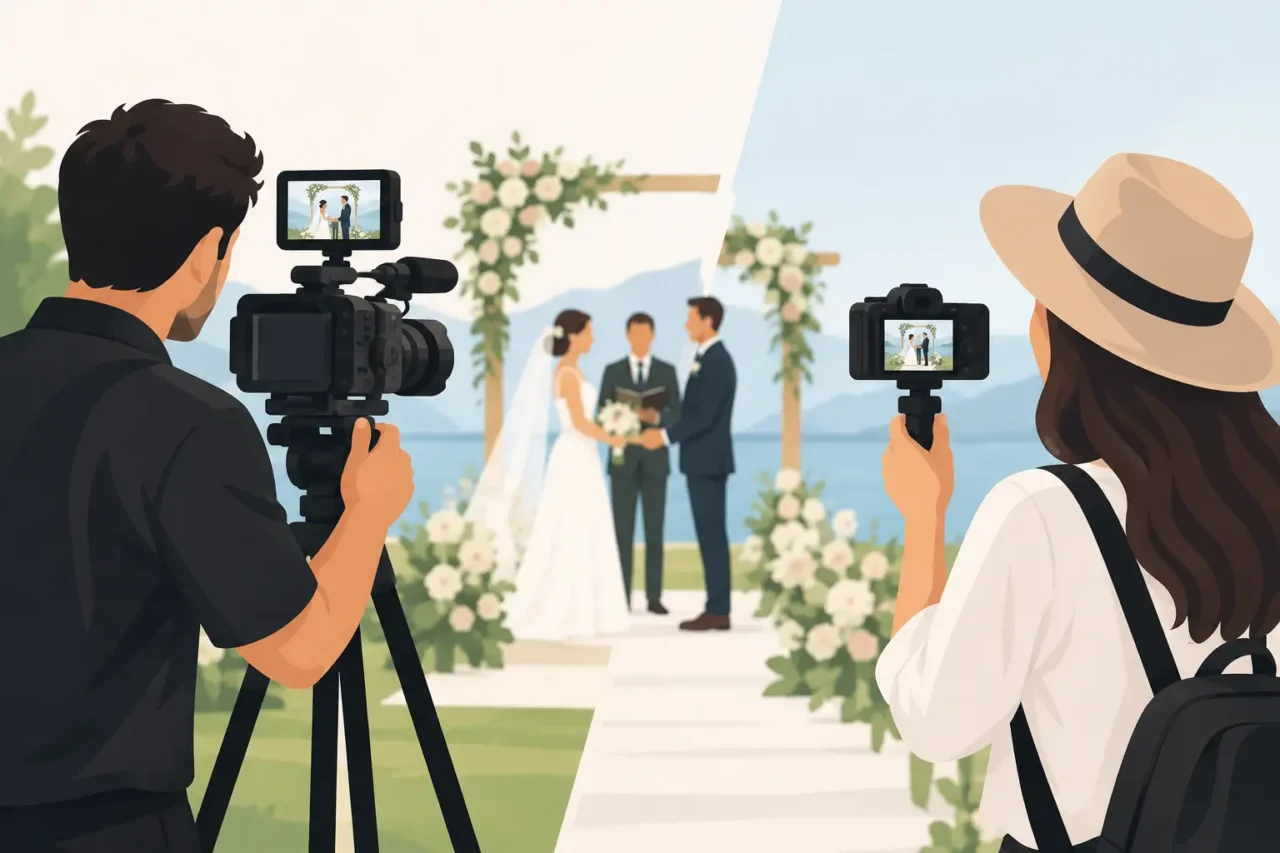
Bundling core services with one event partner can reduce handoffs and make planning easier. When the DJ or MC, lighting team, photo booth staff, photographers, videographers, and coordinator work from the same event plan, they can better support one another. The photographer knows when the award winners will be on stage. The videographer knows which executive remarks must be captured. The DJ knows when to shift from background music to an announcement cue.
At Complete Weddings + Events, this coordinated approach can be customized for corporate celebrations, recognition events, fundraisers, and team gatherings. The right package depends on your program and budget, not on adding services simply because they are available.
Plan Technical Details Before Event Day
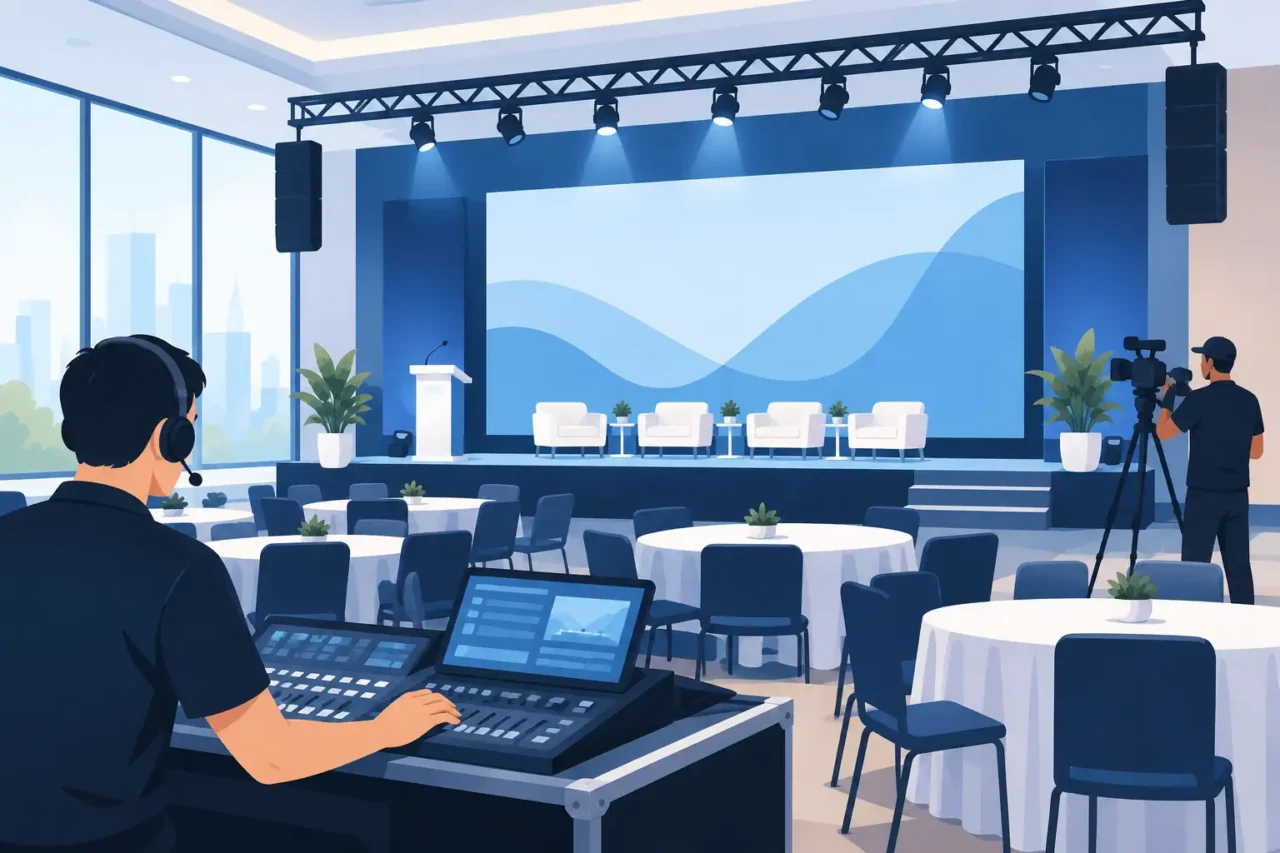
A venue may have tables, chairs, and a built-in screen, but that does not automatically mean it is ready for your program. Confirm what is included and what needs to be brought in. Ask about microphone options, speaker coverage, projection visibility, power access, Wi-Fi capacity, load-in paths, ceiling restrictions, and noise limits.
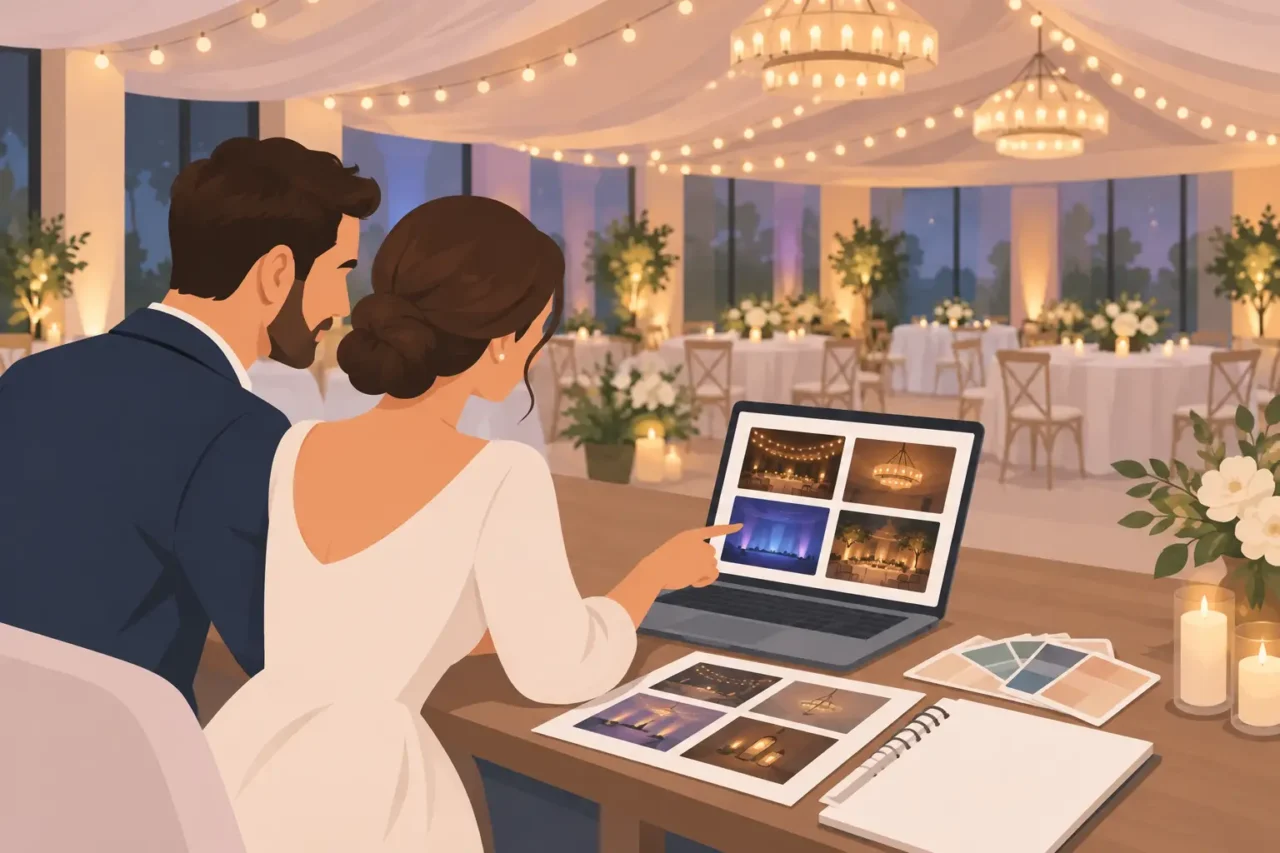
Lighting deserves special attention. It affects the mood of the room, but it also affects photos, video, and visibility. A dimly lit dinner can feel warm and elevated, yet presenters still need enough front lighting to be seen. Branded colors can make a room feel more connected to the company, but they should not make slide content difficult to read or turn every guest photo an unflattering shade.
Schedule a technical rehearsal for any event with presentations, live entertainment, awards, or video content. Test every microphone, presentation clicker, video file, and walk-on route. If speakers are joining remotely, test their connection and have a backup plan. A printed copy of the run of show and presentations can be surprisingly helpful when technology has other ideas.
For Colorado Springs-area events, travel conditions and venue access can also affect setup timing. Build extra time into the schedule during winter weather or when vendors need to load into a large resort, downtown venue, or mountain-area location.
Give Every Decision a Clear Owner
Even an experienced planning committee needs a final decision-maker. When several people can approve a schedule change, playlist request, or seating adjustment, small questions can turn into delays. Designate one event lead who can make calls on site, along with a backup who understands the full plan.
Your event lead should not have to run cables, greet every guest, answer venue questions, and manage the executive team at once. Delegate roles for registration, VIP support, speakers, sponsor needs, and attendee questions. Share the event lead’s contact information with vendors before the event so the right person receives urgent questions.
It is also wise to prepare for the common surprises: a missing name badge, an early arrival, a late speaker, a dietary request, or a presentation update. Calm execution does not mean nothing changes. It means the team knows who will respond when it does.
Make the Final Hour Count
The last impression often shapes how attendees remember the event. Do not let the program simply stop after the final announcement. Consider how guests will be thanked, directed, and encouraged to continue the relationship. That could mean a closing message, a final song, a takeaway, an invitation to a future event, or a photo opportunity near the exit.
Afterward, collect feedback while the experience is fresh. Ask what felt organized, what attendees enjoyed most, and where the pace or communication could improve. Those answers are not just useful for next year. They help your organization build a repeatable production process that gets stronger with every event.
A well-produced corporate event lets guests focus on the people, ideas, and celebration in front of them. Give your team a clear plan, the right support, and enough room to handle real-life changes, and the details behind the scenes can stay exactly where they belong: out of the spotlight.