
10 Best Wedding Reception Timeline Tips
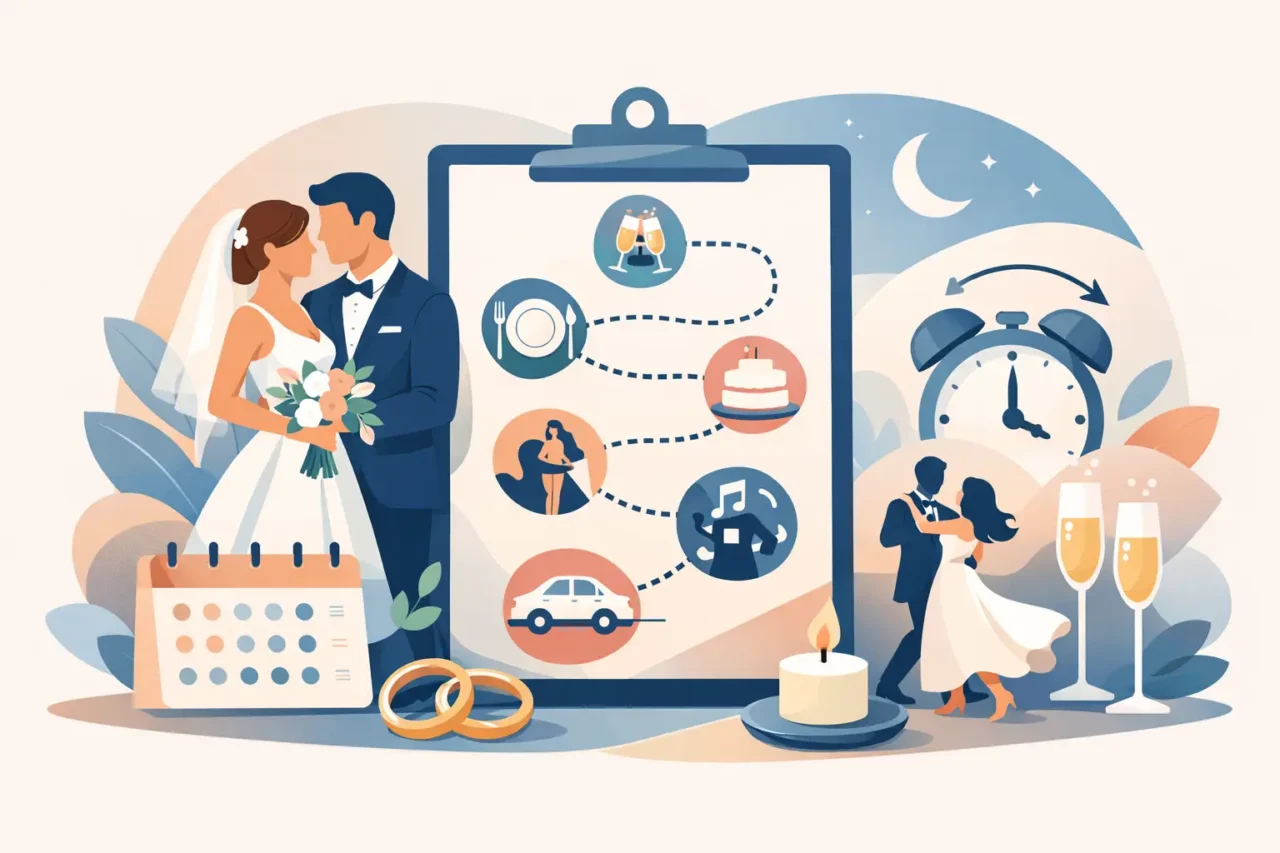
The fastest way to make a beautiful reception feel stressful is to pack too much into too little time. The best wedding reception timeline tips are not about forcing every tradition into one evening. They are about giving each part of the celebration room to breathe so your guests stay engaged, your vendors stay coordinated, and you actually get to enjoy your own party.
A strong timeline should feel organized without feeling rigid. That balance matters because no two receptions move exactly the same way. A ballroom dinner with 220 guests needs a different pace than a mountain venue reception with 75 people and a big dance-floor crowd. The goal is not perfection by the minute. The goal is momentum.
Best Wedding Reception Timeline Tips that Actually Work
The most useful reception timelines start with your non-negotiables. Before you choose when to cut the cake or open the photo booth, decide what matters most to you as a couple. If you care deeply about sunset portraits, protect that time. If dancing is the priority, keep formalities tighter and open the floor earlier. If a plated dinner is part of the guest experience you want, build in enough time for service so the evening does not feel compressed.
This is where many couples run into trouble. They start with a generic online sample timeline and try to force their wedding into it. That can work as a rough reference, but receptions move differently depending on guest count, venue layout, meal style, and how many traditions you include. A great plan reflects your actual event, not someone else’s.
Start with Your Reception Length
Most receptions land somewhere between four and five hours, and that window fills quickly. Cocktail hour, grand entrance, first dance, dinner, toasts, parent dances, cake cutting, open dancing, and a formal exit can all fit, but only if each piece is timed realistically.
A common mistake is assuming every formal event takes just five minutes. In reality, transitions are what eat up the clock. Guests need to be invited to their seats. The wedding party has to line up. A photographer may need a minute to set up for speeches. Your DJ or MC may need to gather attention after guests have spread out. Those little pauses are normal, but they should be expected.
Build Around Dinner Service
Dinner has the biggest influence on the flow of the night. Buffet service usually takes longer than couples expect, especially with a large guest list. Plated meals are often more efficient once service begins, but they require coordination with the venue or caterer and may affect when speeches can happen.
If you are serving 150 guests buffet-style, you should not schedule three toasts and cake cutting immediately after the first table is released. Half your guests may still be waiting in line. On the other hand, if you are doing a plated meal, speeches between courses can work well if the catering team and DJ are aligned. The trade-off is that poorly timed toasts can slow service and cool the room’s energy.
How to Pace the Key Moments
The strongest timelines create a natural rhythm. Guests should know something is happening, but they should also have enough downtime to eat, talk, and settle in. If every 10 minutes brings a new announcement, the night can start to feel overly programmed.
Keep the Grand Entrance Short
A grand entrance is exciting, but it should move quickly. Introduce the wedding party, welcome the couple, and transition into the next moment without a long delay. If you want to go straight into a first dance, make sure your DJ, photographer, videographer, and venue staff all know that in advance.
This is one of the easiest places to gain time. A clean entrance can take just a few minutes. A disorganized one can take 15.
Do Formal Dances Earlier if you want a Full Dance Floor Later
If parent dances matter to you, consider placing them before dinner or right after toasts. Waiting too late can interrupt the party just as the dance floor is gaining momentum. That interruption is not always a problem, but if your crowd loves to dance, it can be hard to rebuild the energy.
There are exceptions. Some couples prefer to save all spotlight moments for later so dinner feels relaxed. That can work well for more traditional receptions, especially when the evening is long enough to support it. But for shorter receptions, earlier is usually smoother.
Limit Toasts to the Right Number
Great toasts are memorable. Too many toasts can stall the night. In most cases, three or four speakers is plenty. More than that can test guests’ attention, especially if speeches happen before dinner is served.
It also helps to give speakers a time target. Five minutes feels generous in the moment, but six speeches at five minutes each can turn into a very long segment once introductions and reactions are included. Shorter, meaningful toasts almost always land better.
Time Cake Cutting for Convenience, not Tradition Alone
Cake cutting does not need to happen right before dessert unless your catering plan depends on it. Many couples cut the cake earlier in the evening so they can get the photo, signal dessert service, and move on without stopping the dance floor later.
If cake is being served to guests, your catering team’s timing matters here. If it is mainly ceremonial and another dessert is offered, you have more flexibility. This is one of those decisions where it depends on your priorities and the way your venue handles service.
The Best Wedding Reception Timeline Tips for Vendor Coordination
Even the best-looking timeline on paper can fall apart if your vendors are not working from the same version. Your DJ or MC, photographer, videographer, caterer, venue coordinator, and planner all affect the pace of the reception. Everyone needs the same order of events, the same start times, and the same understanding of what can shift if needed.
A connected vendor team makes a real difference. If your entertainment team knows when dinner ends, your photo team knows when sunset hits, and your coordinator knows when the next formal event is supposed to begin, the reception feels easy for everyone in the room. That kind of alignment is often what couples are really looking for when they say they want a smooth wedding day.
Add Buffer Time Where People Naturally Underestimate
Buffer time is not wasted time. It is what protects your experience when real life happens. Family members take longer to gather for photos. Guests need a few extra minutes to find seats. A dress bustle takes more effort than expected. Transportation runs a bit behind.
You do not need to pad every line item, but you should protect the transitions that commonly slip. The biggest ones are the move from cocktail hour to dinner, the start of speeches, and anything tied to outdoor photos.
Plan Your Sunset Photos on Purpose
If golden-hour portraits matter to you, block them into the timeline early. Do not assume you will just “step out for a few minutes.” Those few minutes are easy to lose once the reception starts moving.
Your photography and video coverage should support this plan, and your DJ can help announce what guests can do while you are away, whether that is dessert, mingling, or the photo booth. This is a good example of how a coordinated team keeps the evening moving without making guests feel like they are waiting.
Sample Flow for a Smooth Reception
For many couples, a practical flow looks something like this: cocktail hour, grand entrance, first dance, welcome, dinner service, toasts, parent dances, cake cutting, open dance floor, then a send-off if desired. That structure works because it puts major formalities before the party fully opens up.
That said, there is no single perfect order. If your guest list is older, you may want dinner earlier and a less dance-heavy second half. If your crowd is ready to celebrate, you may prefer a quick dinner and more open-floor time. If your venue has strict end times, you may skip a formal exit altogether and use every minute for the reception itself.
The best timeline is the one that supports your priorities while staying realistic about how events actually unfold.
What Couples Should Decide Early
To build a reception timeline that feels calm, decide early on your meal style, whether you want sunset photos, how many people will give toasts, and which traditions you are happy to skip. Those choices shape the evening more than the exact minute of the cake cutting.
It also helps to choose partners who can coordinate with each other instead of operating in silos. When photography, video, entertainment, and event support are aligned from the start, planning usually feels simpler and the reception tends to run with fewer surprises. That is one reason many couples prefer bundled services through one experienced team rather than juggling separate vendors with separate communication styles.
A wedding reception should not feel like a race from one announcement to the next. When your timeline reflects your priorities, your guest experience, and the realities of the evening, the whole celebration feels more relaxed, more polished, and much more fun. Leave just enough room for the moments you cannot schedule – because those are often the ones you remember most.