

How to Bundle Wedding Vendors Smartly
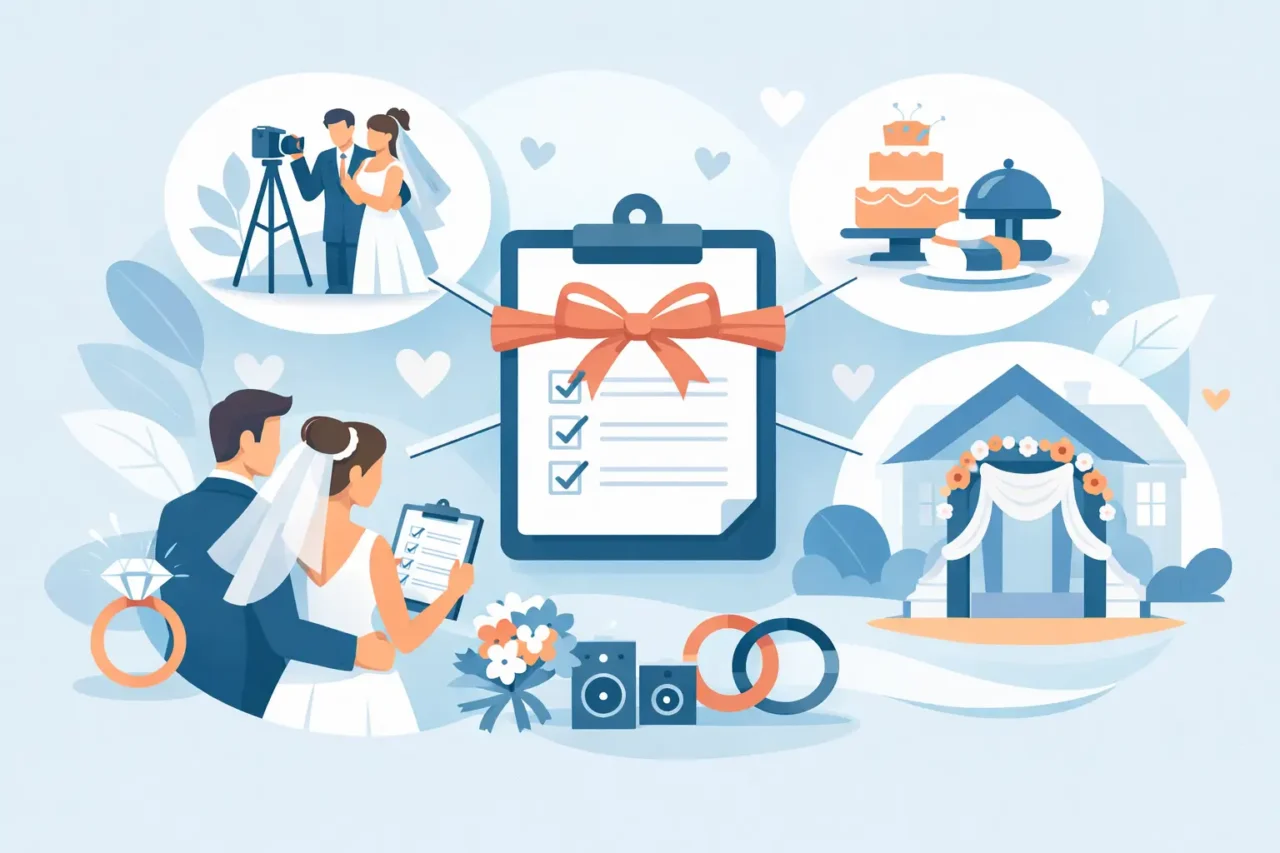
You do not need more wedding vendors. You need the right mix of vendors that work well together, fit your budget, and make planning easier instead of harder. That is really what couples mean when they ask how to bundle wedding vendors – not just how to book more services at once, but how to create a smoother planning process with fewer moving parts.
Bundling can absolutely save time and reduce stress, but only when the package matches your event priorities. A bundled offer that looks great on paper can still miss the mark if it gives you services you do not value or limits the flexibility you need. The best approach is practical: start with what matters most, then build a vendor combination around it.
What Bundling Wedding Vendors Actually Means
Bundling wedding vendors means booking multiple event services together instead of sourcing each one separately. For many couples, that includes photography, videography, DJ services, lighting, photo booth rentals, and day-of coordination support.
There are two common ways this happens. The first is a true one-stop-shop model, where one company provides several services under one brand. The second is a preferred-vendor bundle, where separate businesses team up to offer a package rate or a coordinated planning experience. Both can work. The difference comes down to consistency, communication, and how much management you want on your plate.
If your main goal is convenience, one company handling several core services usually creates the clearest path. You have fewer contracts, fewer conversations to track, and less chance of vendors interpreting the timeline differently. If your goal is highly specialized creative choices in every category, a mix of independent vendors may be worth the extra coordination.
How to Bundle Wedding Vendors Around Your Priorities
Before you compare packages, get specific about your event. A bundle should support your goals, not define them for you.
Start with the guest experience you want to create. If your reception energy matters most, your DJ, lighting, and photo booth may deserve the biggest share of your attention. If preserving memories is the priority, photography and videography should lead the package conversation. If you are juggling a busy schedule and want fewer planning headaches, coordination support may be just as valuable as any creative service.
From there, think about timing and complexity. A ballroom wedding with a formal timeline, multiple speeches, and a packed dance floor has different needs than a smaller mountain celebration with a relaxed flow. In places like Colorado Springs and nearby mountain communities, weather, travel time, and venue logistics can all affect how important it is for vendors to already know how to work together.
This is where bundling becomes more than a budget question. It becomes an execution question. The more layered your event is, the more helpful it can be to have services aligned from the start.
Choose Your Anchor Services First
Most couples should begin with two or three anchor services. These are the services most central to your day and most likely to affect the rest of the plan. Usually, that means some combination of photo, video, entertainment, and coordination.
Once those are in place, look at add-ons that improve the overall experience without overcomplicating your package. Lighting can transform a room and support the dance floor atmosphere. A photo booth can fill quieter moments during the reception and give guests another way to engage. But these extras work best when they complement the event rather than crowd it.
Match the Bundle to Your Budget Style
Not every budget-conscious couple wants the cheapest package. Many want the best value: fewer separate deposits, less planning time, and stronger event-day coordination.
If you are trying to keep spending under control, ask yourself whether bundling lowers your total cost, your planning workload, or both. Sometimes a bundle saves money directly through package pricing. Other times, the bigger win is avoiding the hidden costs of separate vendor research, overlapping rentals, duplicated setup fees, or timeline confusion that leads to day-of stress.
What to Ask Before You Book a Bundled Package
A bundled package should feel simpler, not vague. If you are comparing options, clarity matters more than a flashy discount.
Ask who your point of contact will be throughout planning. Some bundled services are sold together but managed separately behind the scenes. That is not always a problem, but you should know whether you will be communicating with one lead planner or several teams.
Ask how the vendors coordinate timelines. Photography, videography, DJ announcements, and coordination all intersect throughout the day. If these teams already share a planning process, that is a real advantage.
Ask what is customizable. Some bundles are intentionally streamlined, which can be helpful if you want quick decisions. Others are more flexible and let you scale coverage hours, add specialty lighting, or include guest-experience features. Neither format is better across the board. It depends on whether you value simplicity or customization more.
Ask what happens if your timeline changes. Weddings shift. Ceremony times move, hair and makeup run late, weather interferes, and guest counts change. A strong bundled provider should be able to explain how adjustments are handled without making you feel like every small update becomes a major issue.
The Biggest Benefits of Bundling Wedding Vendors
The obvious benefit is convenience, but that is only part of it.
Bundling often improves consistency. When your photographer, videographer, DJ, and coordinator are used to working in sync, your event tends to feel more organized. The first dance starts on time. Key moments are communicated clearly. Setup details are less likely to get lost between separate teams.
It can also reduce decision fatigue. Wedding planning is full of choices, and too many disconnected decisions can wear couples down fast. Bundling narrows the field in a useful way. Instead of vetting every vendor from scratch, you can focus on selecting the package structure that fits your day.
Then there is accountability. When several services live under one roof, there is less finger-pointing if something needs to be adjusted. You are not left managing a group text between five companies. You have a clearer support system.
That said, bundling is not automatically the right move in every case. If you already have a photographer you love or a family connection for entertainment, forcing those needs into a package may not make sense. The goal is not to bundle everything. The goal is to bundle strategically.
Common Mistakes Couples Make When Bundling
The biggest mistake is choosing based on price alone. A lower package price can be appealing, but it does not help if the services are mismatched to your priorities or if communication feels fragmented.
Another common issue is overbooking extras. It is easy to say yes to every add-on when you see them grouped together, especially when each one seems like a small upgrade. But too many services can crowd the schedule and stretch the budget without improving the event in a meaningful way.
Couples also sometimes assume all bundles are equally coordinated. They are not. Some are thoughtfully built around shared workflows and event-day teamwork. Others are simply multiple services sold at once. Ask enough questions to know the difference.
A Simple Way to Decide What to Bundle
If you are unsure where to start, think in layers. First, secure the services that shape the experience and preserve the memories. Then add the services that improve flow and guest enjoyment. Finally, decide whether any extras still fit your budget and your timeline.
For many weddings, a strong bundle starts with photography, videography, and DJ services. Add coordination if you want more support managing the day, and then consider lighting or a photo booth if they genuinely support your venue and guest experience. That structure covers the core parts of the celebration without making the package feel bloated.
A company like Complete Weddings + Events can be especially helpful for couples who want those essential services aligned through one planning process instead of spread across separate vendors and contracts. That kind of setup tends to work best for busy couples who want confidence and efficiency without giving up personalization.
How to Know You Found the Right Package
The right bundle usually feels clear from the beginning. You understand what is included, who is handling what, and how the services come together on the wedding day. The package supports your priorities, respects your budget, and takes pressure off your planning instead of adding more decisions.
If you are still comparing options, trust the package that gives you confidence, not just the one that gives you the longest list of features. A well-built bundle should make your wedding feel easier to plan and better prepared to run. That is the standard worth booking toward.
When you bundle with intention, you are not just checking off vendors. You are creating a team that can carry the day with you, so you can spend less time coordinating details and more time looking forward to the celebration.