
What Is Traditional Wedding Photography?
The kiss, the cake cutting, the full family portrait where everyone is actually looking at the camera – if those are the images you know you want, you may be asking what is traditional wedding photography and whether it still makes sense for a modern wedding. The short answer is yes. Traditional wedding photography is a classic, structured approach that focuses on posed portraits, key moments, and a clear visual record of the day.
For many couples, that structure is a relief. When you are planning a wedding, there are already enough moving parts. A photography style with a defined shot list, organized groupings, and a photographer who gives direction can make the day feel more manageable. It is not about stiff or outdated photos by default. At its best, it is polished, efficient, and built around the moments families tend to treasure for years.
What is traditional wedding photography?
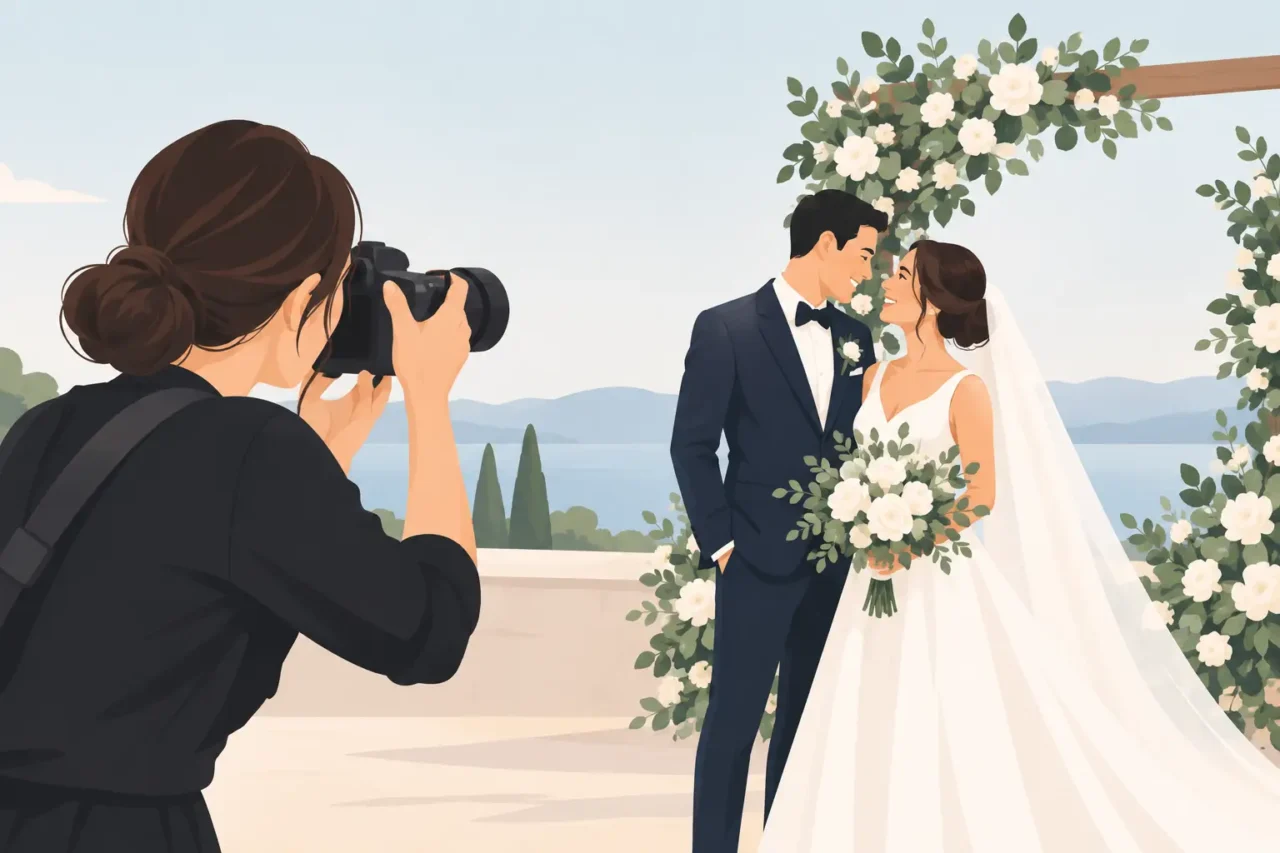
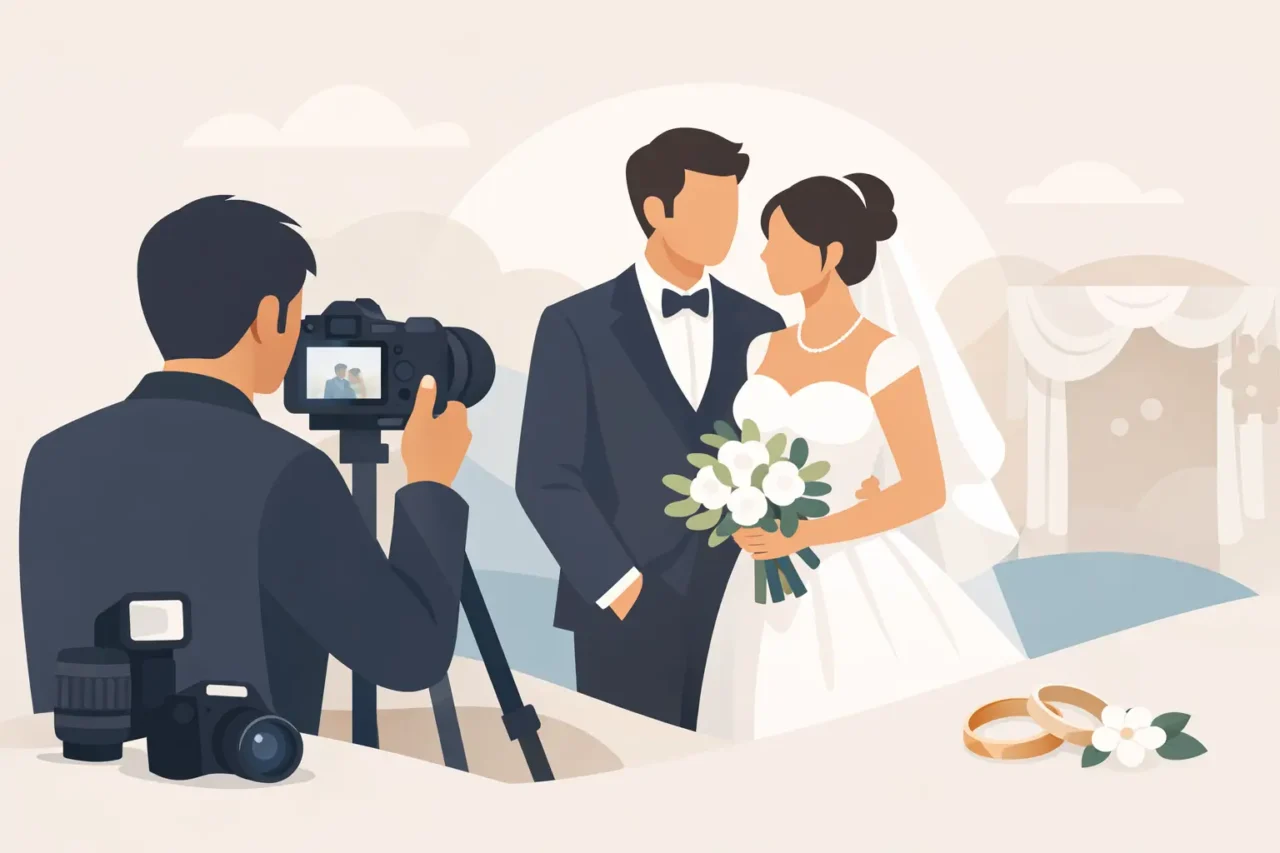
Traditional wedding photography is a style centered on posed, guided images and planned coverage of important wedding events. Instead of relying mainly on spontaneous moments, the photographer directs people into place, adjusts posture and composition, and captures a clean, intentional image.
This style usually includes portraits of the couple, wedding party, parents, grandparents, siblings, and extended family, along with staple moments like the ceremony entrance, ring exchange, first kiss, cutting the cake, and first dance. The goal is consistency and completeness. You are creating a dependable visual record, not just a collection of artistic highlights.
That does not mean every image is formal. Most traditional wedding photographers still capture candid smiles and natural reactions throughout the day. The difference is that the backbone of the gallery is built around must-have shots and guided portraits rather than purely documentary storytelling.
What traditional wedding photography usually includes
A traditional approach tends to follow the wedding day in a predictable, organized way. Before the event, the photographer often works from a timeline and family shot list. That planning matters because family formal photos can become chaotic quickly if no one is in charge.
During the wedding, expect the photographer to step in with direction. In practice, that direction is specific where to stand, how to angle toward the camera, when to look at each other versus the lens, and how to hold posture so the final image looks natural rather than stiff. For couples who feel awkward being photographed, this can actually make things easier. You do not have to guess what to do.
Common moments captured in a traditional style
Traditional coverage often includes getting-ready portraits, individual and group wedding party photos, the ceremony from key angles, formal family portraits, couple portraits, and major reception events. If there is a cultural or family tradition that matters to you, this style also works well because it prioritizes making sure those moments are documented clearly.
The photos themselves usually feel balanced and timeless. Faces are visible. Groupings are intentional. Background distractions are minimized when possible. These are the kinds of images parents frame, grandparents request copies of, and couples return to when they want to remember exactly who was there. Most traditional packages deliver a full edited gallery digitally, though albums, prints, and USB options vary by photographer confirming the format is part of choosing the right package.
How it differs from candid or photojournalistic coverage
In practice, most modern wedding galleries are a blend of both with traditional direction for family formals and couple portraits, documentary coverage for ceremony moments and reception candids. Understanding where traditional photography fits within that blend helps couples ask better questions when comparing photographers.
The easiest way to understand traditional wedding photography is to compare it with candid, documentary, or photojournalistic styles. Documentary coverage focuses on observing the day as it unfolds with minimal interference. The photographer looks for emotion, movement, and real-time interactions rather than arranging scenes.
Traditional photography is more hands-on. The photographer leads more often, especially during portraits and milestone moments. If documentary photography says, “Forget the camera is here,” traditional photography says, “Let’s take a moment and make sure we get this right.”
Neither style is automatically better. It depends on what matters most to you. If you care deeply about family portraits and want to know you have the classics covered, traditional photography offers peace of mind. If you are drawn to unscripted emotion and less posed imagery, a documentary-heavy style may feel more natural.
In reality, many wedding galleries blend both. A skilled photographer might use a traditional approach for family formals and couple portraits, then shift into a more candid rhythm during the reception.
Why couples still choose traditional wedding photography
Traditional wedding photography has stayed relevant for a reason. It solves real problems on a busy wedding day.
First, it creates clarity. You know the key people and moments will be photographed. That can be especially important for large families, blended families, or weddings where relatives are traveling in from different places. If getting everyone in one polished portrait matters, a traditional approach makes that happen.
Second, it supports smoother logistics. A photographer who is comfortable directing groups can keep portraits moving and avoid the usual confusion of “Who’s next?” and “Where should we stand?” When your timeline is tight, that efficiency matters.
Third, it tends to age well. Trends come and go, but clean, well-lit portraits rarely feel irrelevant. Years from now, a simple photo of the two of you looking at the camera may carry just as much value as a more stylized image.
When traditional wedding photography is the right fit
This style makes a lot of sense if family photos are a priority, if you want a full record of wedding traditions, or if you prefer clear guidance rather than being left to improvise in front of the camera. It is also a strong fit for formal weddings, religious ceremonies, multi-generational celebrations, and events with a lot of structured elements.
It can be especially helpful for couples planning a larger celebration with several vendors and a packed schedule. A more organized photography style often complements an organized wedding day overall. When your photo team, DJ, videographer, and coordinator are working from a shared timeline, the experience tends to feel less stressful.
If you are planning in a market like Colorado Springs, where weddings may include churches, ballrooms, mountain venues, or family estates, traditional photography can adapt well across settings because the focus is less about a trendy backdrop and more about reliable coverage of the people and moments that matter.
Potential trade-offs to consider
Traditional wedding photography is not perfect for every couple. Because it includes posing and direction, it can take more time than a fully candid approach, especially during family formals. If you want to spend as little time as possible away from guests, that is something to discuss when building your timeline.
It can also feel more formal than some couples expect. The quality of the experience depends a lot on the photographer’s people skills. A great traditional photographer knows how to give direction without making the session feel rigid or uncomfortable.
There is also the question of style preference. If you love movement, imperfection, and quiet in-between moments more than formal portraits, a heavily traditional gallery may feel too structured. That is why it helps to ask not just what style a photographer offers, but how they balance it throughout the day.
How to know if you want this style
Start with a simple question: when you imagine your finished wedding album, what photos would disappoint you if they were missing? If your answer includes portraits with parents, grandparents, siblings, and the full wedding party, traditional coverage should probably be part of your plan.
Think about your comfort level, too. Some couples feel relaxed when a photographer gives clear instructions. Others loosen up only when they forget they are being photographed. Your own personality matters just as much as the aesthetic.
It also helps to think beyond social media. The photos that perform well online are not always the same photos families value most. A dramatic candid shot may get attention, but a well-composed image with the people you love often becomes the one that stays on the wall.
Questions to ask before booking
If you are considering this style, ask how the photographer handles family formals, how much direction they give during portraits, and whether they also capture candid moments throughout the day. Ask to see full galleries, not just a few highlight images. That gives you a more honest picture of how consistently they cover a wedding.
You should also ask how they help with planning. A photographer who can build a practical shot list and coordinate with your broader event team brings more than technical skill. They help protect your timeline and reduce last-minute confusion.
For couples who want convenience, this is one reason bundled event services can be helpful. When photography is coordinated alongside other key services, there is often less back-and-forth and a more unified plan for the day.
Traditional wedding photography is not old-fashioned just because it is classic. It is a dependable style built around the images people ask for again and again – the portraits, the milestones, and the moments that deserve to be preserved with care. If that sounds like the kind of confidence you want on your wedding day, it may be exactly the right fit.