

10 Ways to Stay Organized While Wedding Planning

Staying organized while planning a wedding requires using structured systems for tasks, budgets, vendors, documents, and communication. Most couples plan their wedding over 12–18 months and manage 100+ individual tasks, making organization essential to avoid missed deadlines and overspending. The most effective approach is to use a master checklist, a detailed budget tracker, a centralized vendor list, shared digital document storage, and weekly planning check-ins. Couples who centralize their planning information and update it consistently experience less stress and smoother coordination in the final months before the wedding.
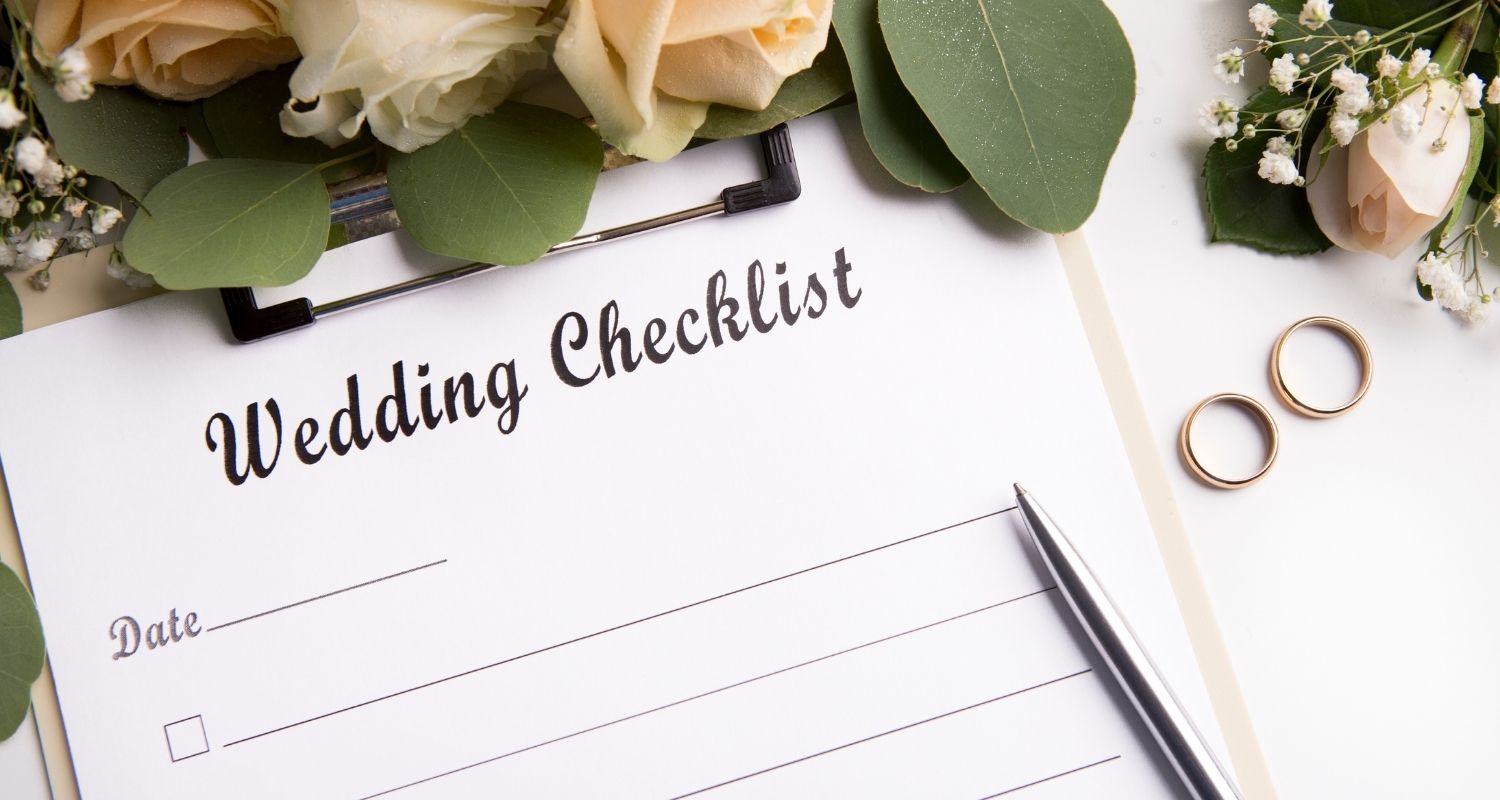
1. Use a Master Wedding Planning Checklist
A master wedding planning checklist is the most effective way to stay organized because it tracks every task, deadline, and dependency in one system. Most weddings require managing 100–150 individual tasks, and missing just one can cause delays or added costs.
A checklist works best when it is broken into time-based phases, rather than one long list.
Organize your master checklist by planning phases:
- 12–18 months before the wedding: secure your venue, set the budget, and estimate guest count
- 9–12 months out: hire key vendors, such as your photographer and DJ
- 6–9 months out: select attire, send invitations, and plan décor
- 3–6 months out: finalize details, schedules, and timelines
- 1 month out: complete final payments and confirm all vendor arrangements
Best practice: Review and update your checklist once per week. This reduces last-minute decisions and keeps planning manageable.
2. Set Up a Detailed Wedding Budget Tracker
A detailed budget tracker helps couples stay within budget and avoid surprise expenses. According to industry data, couples typically book 10–14 vendors, each with deposits, partial payments, and final balances.
A budget tracker should show both planned spending and real-time totals.
Essential columns for your wedding budget tracker:
- Vendor or expense category
- Estimated cost vs. contracted cost
- Amount of deposit paid
- Remaining balance owed
- Final payment due date
Fact: Most couples underestimate costs by 10–15% without a tracking system. Adding a contingency buffer helps prevent overspending.

3. Create a Centralized Vendor Management System
A centralized vendor system keeps all communications and details in one place, preventing mix-ups. Since vendors often use email, phone, and online portals, information can get scattered. Keeping everything organized together saves time and reduces stress.
Your vendor management system should include:
- Vendor name and service type
- Primary contact person
- Email, phone number, and website
- Contract start and end dates
- Notes from calls or meetings
Why this matters: When final coordination happens in the last 30 days, having instant access to vendor information saves time and reduces stress.
4. Store All Wedding Documents in One Digital Location
Digital document storage is the most reliable way to keep wedding paperwork secure and accessible. Vendors typically provide contracts, invoices, insurance documents, and planning forms. Paper-only systems increase the risk of lost documents.
Suggested folder organization:
- Venue
- Catering
- Photography
- Music / DJ
- Attire
- Other receipts or miscellaneous documents
Top digital storage tools:
- Google Drive
- Dropbox
- Any shared cloud folder accessible to both partners
Fact: Digital storage allows instant sharing with planners, coordinators, or family helpers when needed.

5. Create a Dedicated Wedding Email Address
A separate wedding email keeps communication organized and searchable. During planning, couples can receive dozens of emails per month from vendors. Using a shared email avoids confusion.
Advantages of a dedicated wedding email:
- Both partners can access all vendor messages
- Quickly search for contracts, invoices, or timelines
- Keeps wedding emails separate from personal or work accounts
Make it a habit to check this email regularly, especially in the final weeks before your wedding. Vendors often send important confirmations, schedule updates, or document requests as the date approaches, and missing those emails can create unnecessary problems.
This one small step can save a lot of confusion later on.

6. Manage Your Guest List with One Master Spreadsheet
Keeping a master guest list in a single spreadsheet helps avoid RSVP mistakes and inaccurate headcounts. Accurate guest tracking is essential for catering, seating arrangements, rentals, and invitations, and spreadsheets allow instant updates.
Guest list should include:
- Guest name
- Household grouping
- Invitation sent date
- RSVP status
- Meal choice
- Table assignment
Helpful tools and websites couples actually use:
- Google Sheets – Free, shareable, and easy to update in real time with both partners or planners
- Microsoft Excel – Great if you prefer offline access and structured formatting
- Zola – Built-in guest list manager with RSVP tracking
- The Knot – Syncs guest lists with your wedding website and RSVP system
- WeddingWire – Useful for managing RSVPs and meal selections in one dashboard
Why this matters:
Caterers typically require a final headcount 7–14 days before the wedding. Accurate tracking helps avoid last-minute changes, seating issues, or extra charges for incorrect numbers.
Whichever tool you choose, stick to one system and update it consistently. Switching between multiple lists is where most mistakes happen.
7. Build a Month-by-Month Wedding Planning Timeline
A planning timeline ensures tasks are completed in the correct order. The average engagement lasts 12–18 months, and timelines prevent rushing decisions. A good timeline matches tasks to vendor availability and production timelines.
Sample wedding planning milestones:
- 12 months before: book your venue and set the wedding date
- 9 months before: hire photographer, DJ, and caterer
- 6 months before: order wedding attire and send save-the-dates
- 3 months before: finalize menu and décor details
- 1 month before: make final payments and confirm all arrangements
Why it works: Timelines reduce stress by spreading decisions evenly instead of clustering them near the wedding date.

8. Keep a Central Wedding Notes & Decision Log
A wedding notes and decision log prevents repeated conversations and forgotten details. During planning, couples make hundreds of small decisions, many of which happen verbally or informally. Without written records, details get lost.
What to record in your wedding notes:
- Décor ideas and inspiration sources
- Vendor recommendations and quotes
- Decisions from calls or meetings
- Backup plans for weather or availability
Best practice: Date each note and label it by category (venue, catering, music). This creates a clear decision history and avoids second-guessing later.

9. Schedule Weekly Wedding Planning Check-Ins
Weekly wedding planning check-ins: Regular weekly check-ins help keep tasks on track without taking over your daily life. During busy months, couples typically spend 2–5 hours per week on planning, and scheduling a set time helps set boundaries.
Topics to cover each week:
- Review progress on your checklist
- Confirm upcoming deadlines
- Update your budget
- Assign tasks for the following week
Why this works: Regular check-ins reduce stress, improve communication, and prevent last-minute scrambling as the wedding date approaches.
10. Choose One Primary Planning System and Stay Consistent
Consistency is more important than complexity when staying organized. The most common organizational mistake couples make is spreading information across too many apps, notebooks, and folders. Fragmentation causes errors.
Stick to a single planning system for:
- Managing tasks
- Tracking your budget
- Storing documents
- Keeping vendor notes organized
Fact: Couples who use a single planning system report fewer missed deadlines and smoother final-month coordination. Once you choose a system, avoid switching unless absolutely necessary.

Wedding Planning Tips to Avoid Common Mistakes
Most stress during wedding planning comes from poor organization rather than too many tasks. Couples who follow a few expert strategies stay on top of every detail.
Frequent organization mistakes to avoid:
- Using multiple apps or notebooks for tasks
- Missing vendor payment deadlines
- Failing to back up contracts and important documents
- Delaying final guest count decisions
- Making decisions verbally without recording them
FAQs: Staying Organized While Wedding Planning
How early should I start organizing my wedding plans?
Most couples start 12–18 months before the wedding date.
Do I need paid wedding planning software?
No. Many couples successfully use spreadsheets, shared folders, and checklists.
How often should I update my planning system?
Weekly updates are ideal, especially during the final 3 months.
What’s the biggest organizational mistake couples make?
Not tracking payment deadlines and vendor details in one place.

Include an Engagement Session in Your Wedding Planning Checklist
Booking an engagement session is an easy way to stay organized while planning your wedding. It captures your love story, helps you get comfortable in front of the camera, and allows you to experiment with locations, poses, and lighting. These photos create lasting memories, can be shared with family and friends, and help set the tone for your wedding day.
Need help planning your session — Getting support from a single, experienced team for photography, videography, DJ services, photo booth, or day-of coordination can make planning and executing your wedding much smoother and more effortless.