

You Just Got Engaged… Now What?

Once you get engaged, the first steps are to set a budget, choose a date range, and build your guest list. These three decisions determine your venue options, vendor availability, and total wedding cost. Most couples begin booking major vendors (venue, planner, photographer, DJ) 12–18 months before their wedding, especially for peak seasons.
Getting engaged is exciting, but the next steps can feel overwhelming. Here is the direct, accurate, step-by-step guide to what couples should do immediately after the proposal.
1. Celebrate Your Engagement (Before Planning Starts)
Before diving into logistics, take time to enjoy the moment.
Here’s what couples usually do first:
- Share the news privately with close family and friends
- Take a few simple engagement photos (professional or phone)
- Post your announcement online when you feel ready
- Set up your Knot or WeddingWire page so guests can easily follow updates and you can explore vendor options.
- Write down how you want this season to feel. Fun, low-stress, intentional
- This sets the tone for the planning stages ahead.

2. Talk About Your Wedding Vision Together
This is one of the most important early steps. Before choosing vendors or booking anything, align on the core elements of your day:
Discuss:
- Wedding Size: intimate (20–50), mid-size (50–120), or large (120+)
- Overall Style: modern, classic, boho, rustic, garden, luxury, minimalist
- Vibe: formal, semi-formal, creative, or casual
- Priority Elements: photography, venue aesthetics, food, entertainment, guest experience
- Location: local wedding, destination wedding, home venue, or courthouse
A shared vision helps eliminate confusion and avoids costly revisions later.

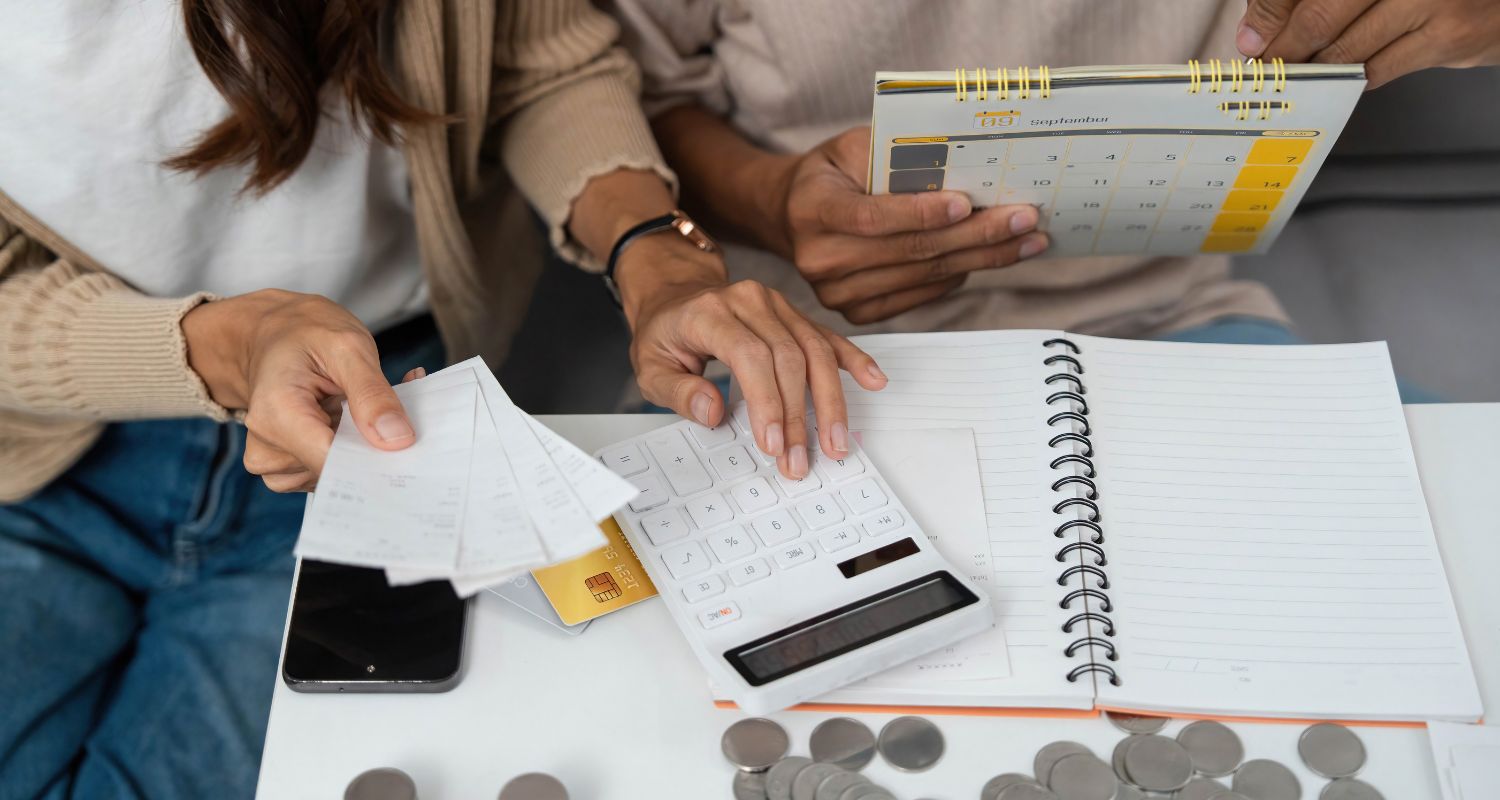
3. Set a Realistic Budget (Your Planning Foundation)
Your budget controls nearly every decision, so get this step done early.
Steps to create your budget:
- Determine how much you can contribute as a couple
- Discuss family contributions (if any)
- Decide your top 3–5 priorities
- Research average prices in your area
U.S. Wedding Cost Averages (2024–2025):
- Overall average: $28,000–$36,000
- Photography: $2,000–$4,500
- Videography: $2,000–$4,000
- DJ: $1,000–$2,500
- Venue: Often 30–40% of the total budget
Once the budget is set, planning becomes far more predictable.
4. Build a Preliminary Guest List
Your guest count affects your budget, venue size, catering cost, and rentals.
Create your guest list in layers:
- A-List: Must-invite family and closest friends
- B-List: People you’d definitely invite if space allows
- C-List: Optional guests or extended connections
Consider:
- Whether you want a child-free wedding
- Whether you’re inviting plus-ones
- Any family expectations
- A guest list draft helps you choose venues with the right capacity.

5. Choose a Wedding Date Range
Selecting your date range, not necessarily the exact date, makes vendor booking easier.
Decide on your ideal season:
-
Spring (Mar–May): Beautiful and floral, but also the most unpredictable weather season in Colorado. You can experience warm 70° days, sudden snowfall, rain showers, or all three in one day.
-
Summer (Jun–Aug): Popular season with long days and ideal outdoor conditions—however, vendors and venues book quickly.
-
Fall (Sep–Nov): Peak wedding season across most states, known for stunning colors and comfortable temperatures.
-
Winter (Dec–Feb): Typically the most budget-friendly time to get married.
Tip:
Have 2–3 date options ready when reaching out to venues. This increases your chances of availability.

6. Book Your Venue (Most Couples Do This First)
Venues often book 12–18 months ahead, especially Saturdays.
When touring venues, check:
- Guest capacity
- Indoor and outdoor options
- Weather backup plans
- On-site coordinator availability
- Catering restrictions (in-house vs. outside catering)
- Noise and time limitations
- Parking and accessibility
- Total cost + payment schedule
Once your venue is secured, you officially have a wedding date, and vendor booking can begin.
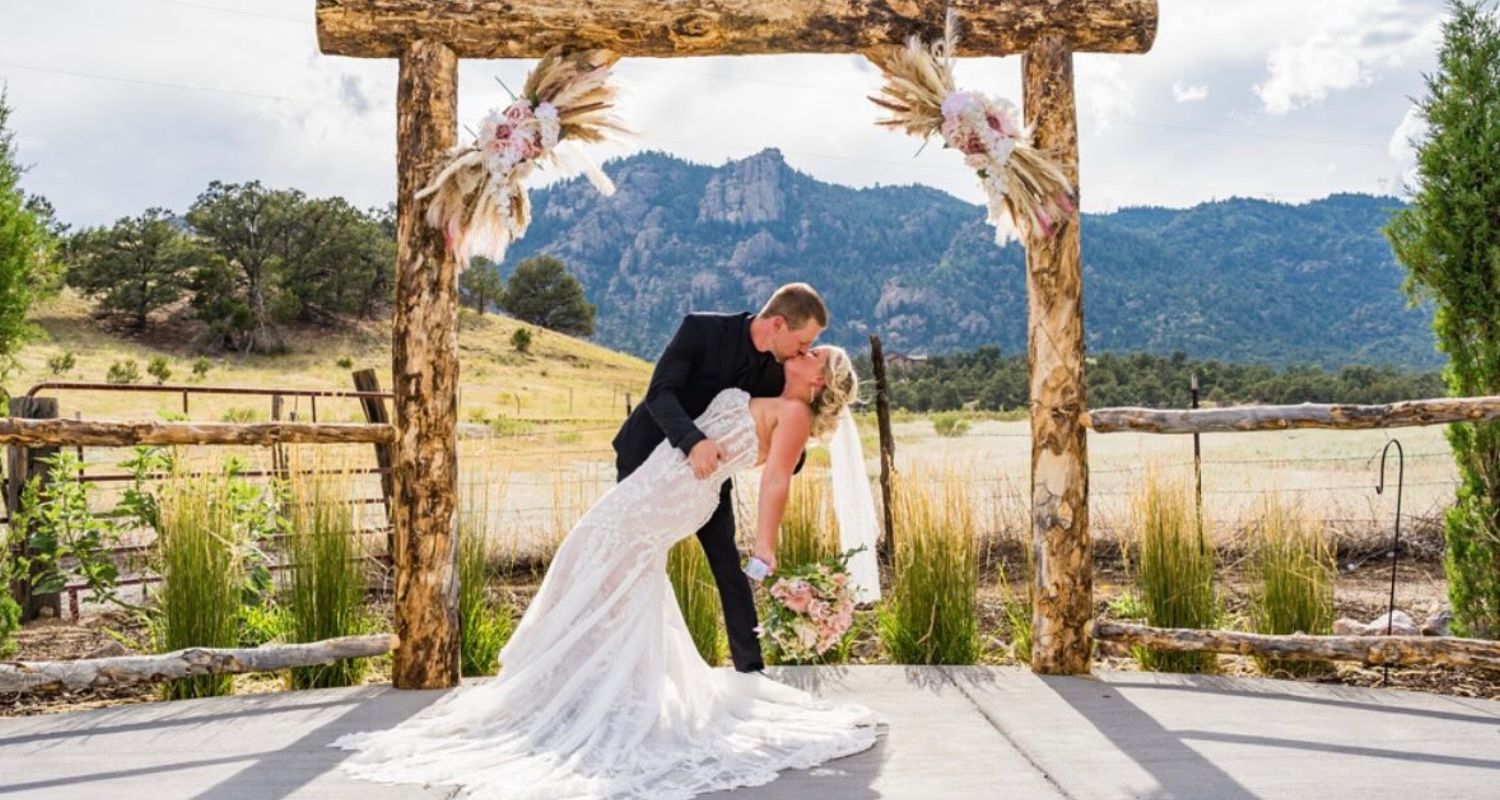
7. Secure Your High-Priority Vendors (6–12 Months Out)
After locking in your venue, book the vendors who can only take one event per day—these book fastest.
Vendors to book early:
- Photographer
- Videographer
- DJ/Entertainment
- Day-of Coordinator or Planner
- Photo Booth
- Caterer
- Officiant
Popular dates often fill up one full year in advance.
Pro Tip:
Decide early whether you prefer a DIY-style wedding, where you manage multiple vendors and details. Or an all-inclusive approach, where one team handles everything for you. Knowing this will guide your vendor choices and help streamline your budget and planning.

8. Complete Your Early Planning Essentials
With your venue and vendors confirmed, begin building the framework of your wedding.
Start working on:
- Engagement photo session
- Your wedding website (with schedule, registry, accommodations)
- Save-the-dates (mail 6–8 months out)
- Wedding registry (Amazon, Zola, Target, etc.)
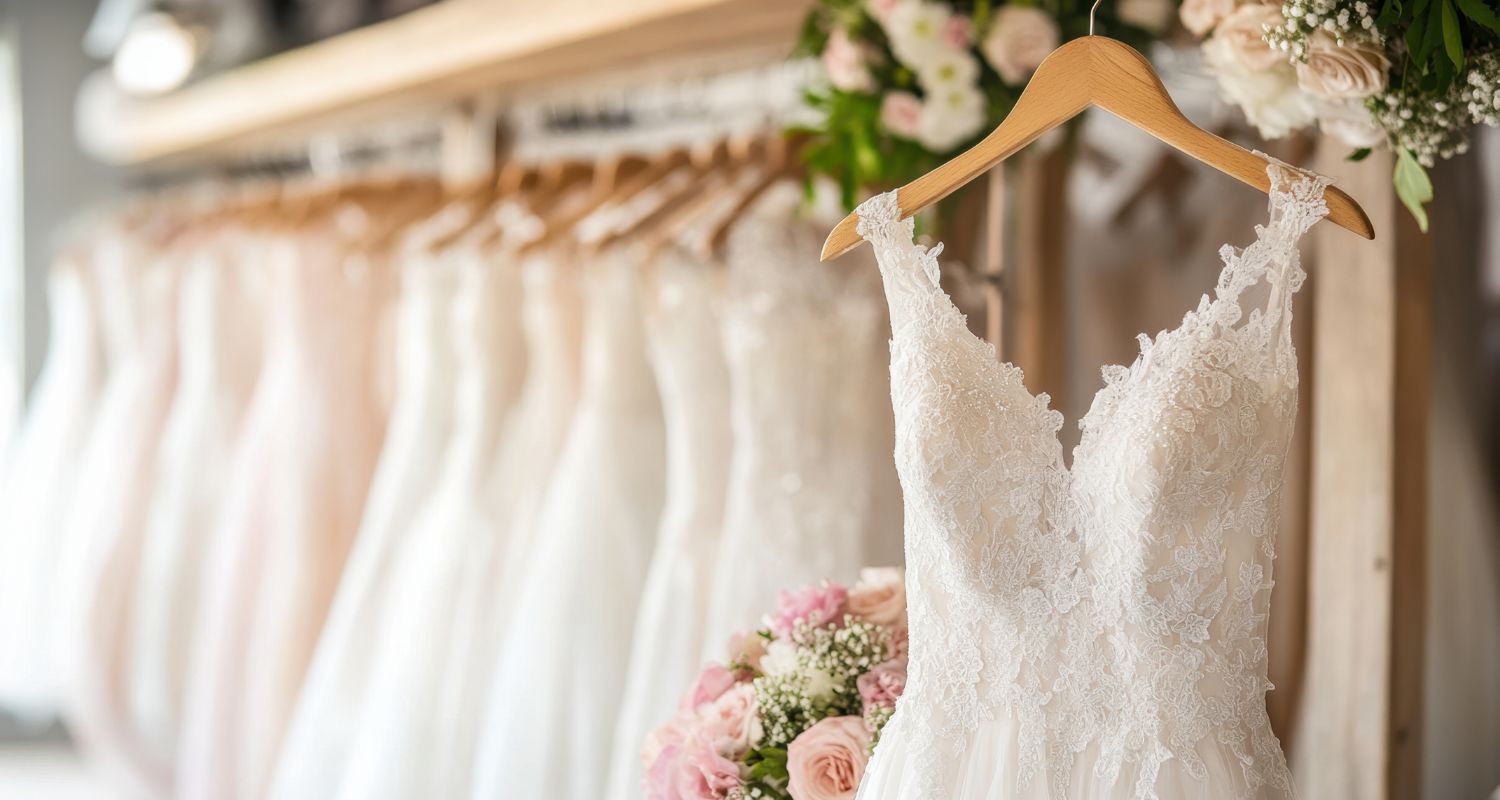
- Dress shopping (order 9–12 months before the wedding)
- Bridal party invitations
These tasks help set the tone and timeline for the rest of your planning.
9. Deep-Dive Into Decor + Style Details
This is the creative stage where your wedding vision comes to life.
Start exploring:
- Color palette
- Floral style + bouquet preferences
- Ceremony layout
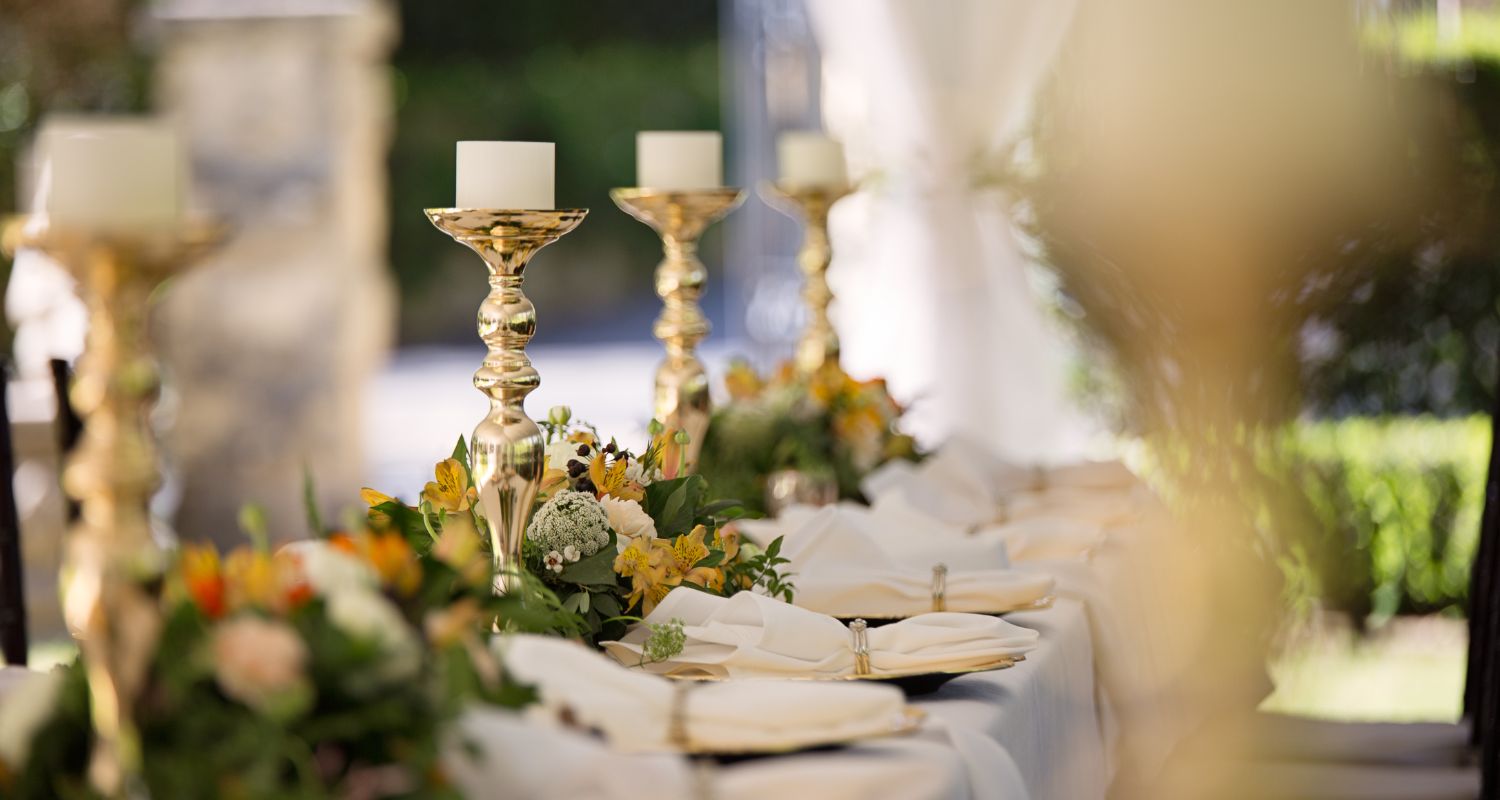
- Reception centerpieces
- Lighting (uplights, candles, marquee letters)
- Seating arrangements
- Table settings and linens
- Signage and stationery
- Music playlist ideas for your DJ
Pinterest, Instagram, and venue inspo albums help you refine your aesthetic, but stick to one master board to avoid overwhelm.
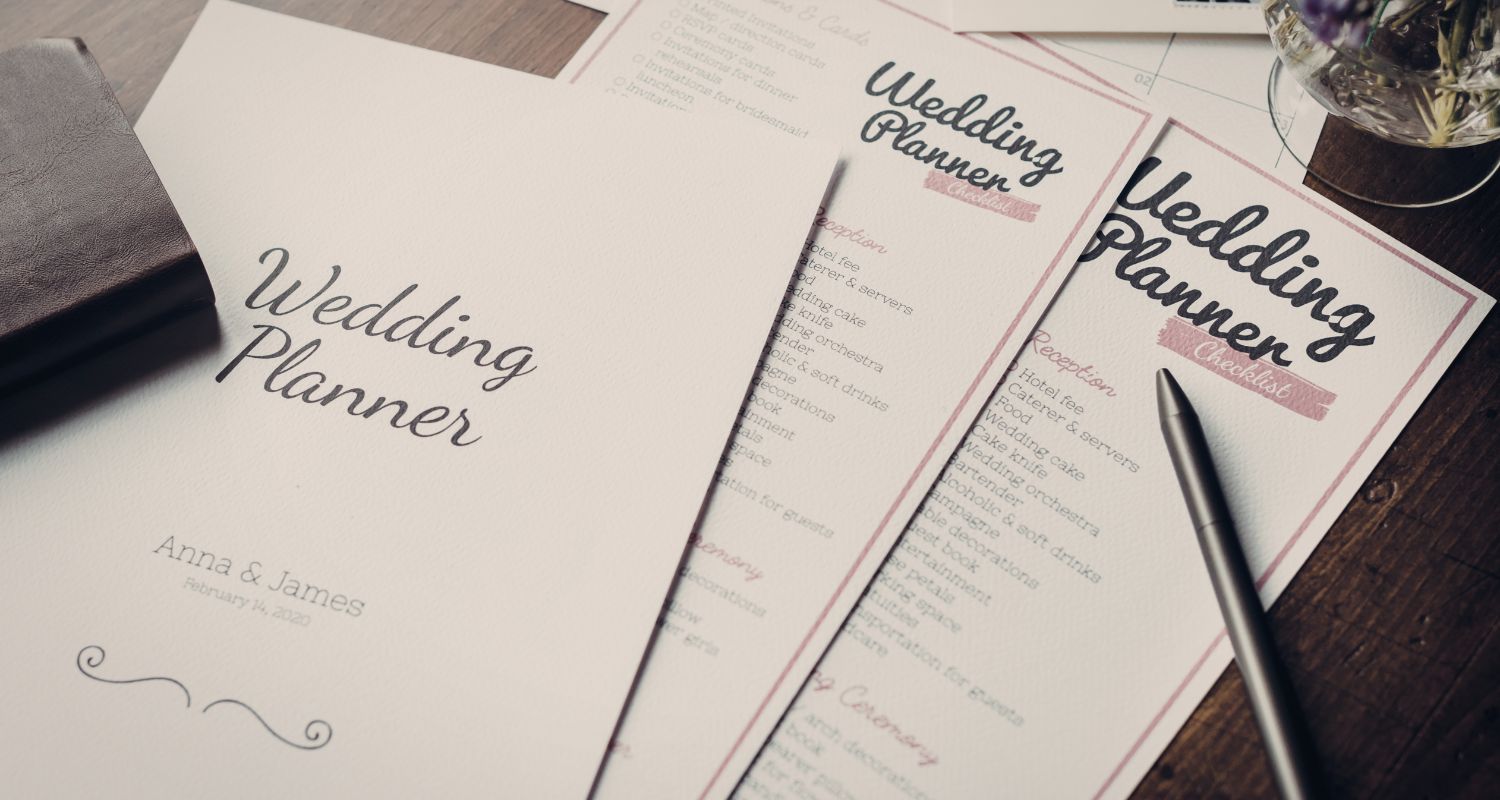
10. Create a Month-by-Month Planning Timeline
A structured timeline keeps everything manageable and stress-free.
Example of a 12-Month Wedding Planning Timeline:
- Month 1–2: Budget, venue, major vendors
- Month 3–4: Save-the-dates, engagement photos, website setup
- Month 5–6: Dress shopping, registry, early decor planning
- Month 7–9: Finalize florals, rentals, transportation, cake
- Month 10–11: Final walkthrough, timeline drafts, rehearsal details
- Month 12: Confirm vendors, finalize seating chart, day-of details
Bonus Tip:
Add at least one day per month dedicated to continuing to date each other. No wedding talk allowed. Go out, relax, disconnect from planning, and enjoy being engaged. Breaks help keep the experience fun and strengthen your relationship during the wedding planning journey.
FAQ
How far in advance should I book my wedding vendors?
Most couples book major vendors 6–12 months before their date, and peak seasons often require booking even earlier.
What vendors should I book first?
Start with your venue, then book photography, videography, DJ, and a coordinator to secure your essentials. You can read more of our guides here.
How much does a wedding DJ cost?
In the U.S., wedding DJs typically range from $1,000–$2,500 depending on hours, location, experience, and package inclusions. Click here to learn more.
Do I need a day-of coordinator?
A coordinator ensures your timeline flows smoothly, handles vendor communication, and prevents stress—especially helpful for DIY or detailed weddings. Click here to learn more.
When should I send save-the-dates?
Send save-the-dates 6–8 months before your wedding, and 8–12 months for destination weddings.
What’s the average wedding cost in the U.S.?
According to 2024–2025 bridal industry data, weddings average $28,000–$36,000, depending on location and guest count.
Let Us Help Make Planning Easier
If you want a smooth, stress-free wedding day, our team at Complete Weddings + Events Colorado Springs is here to make it happen. We provide a full range of services, including photography, videography, DJ entertainment, photo booth rentals, coordination, MC services, and even corporate and holiday event coverage. When you bundle multiple services with us, you save money and enjoy the simplicity of one contract, one team, and one streamlined, stress-free experience from start to finish.