
Wedding Reception Flow Guide for a Stress-Free Night

A great reception does not feel like a schedule. It feels like the evening naturally gets better: guests settle in, dinner arrives before anyone gets restless, toasts land at the right moment, and the dance floor opens with real energy. This wedding reception flow guide helps you build that experience while giving your vendors a clear plan to follow.
The goal is not to pack every tradition into one night. It is to choose the moments that matter to you, place them thoughtfully, and leave enough breathing room for conversations, photos, food, and celebration. Your venue layout, guest count, dinner style, and overall priorities will shape the best timeline.
Start Your Wedding Reception Flow Guide With the Guest Experience
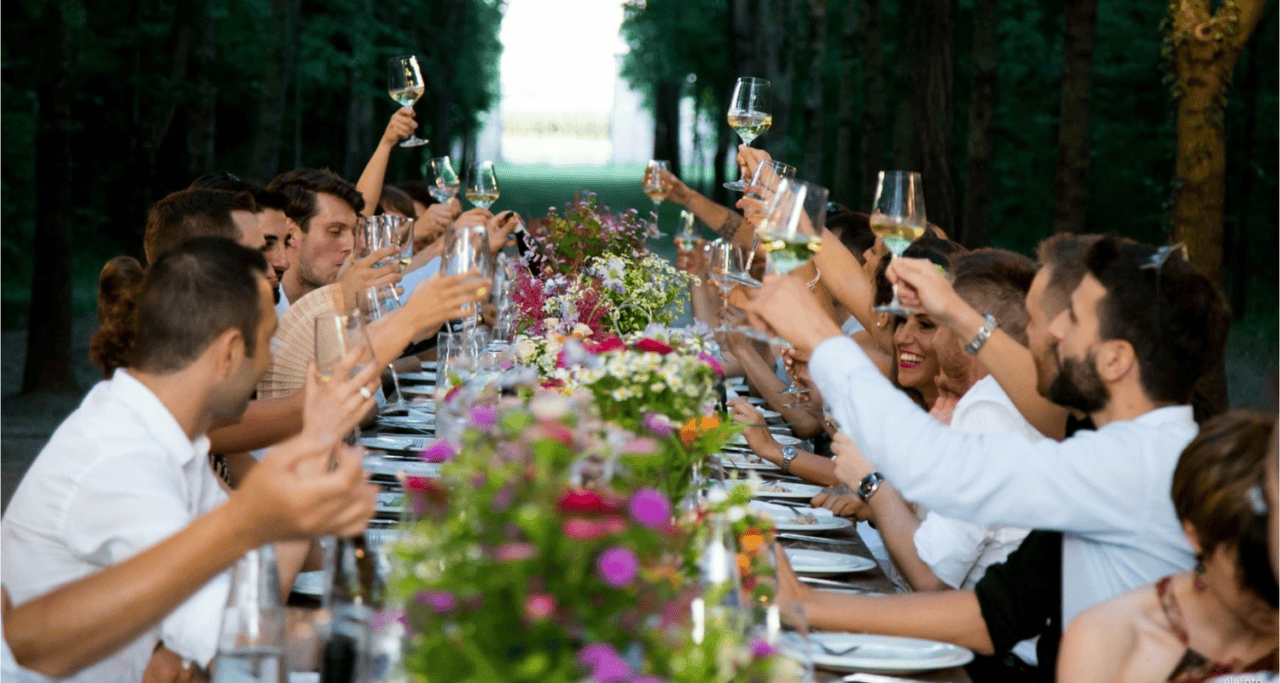
Before deciding when to cut the cake or start the first dance, consider what your guests will be doing between each major event. A reception runs smoothly when there is always a comfortable next step: a drink and appetizer after the ceremony, a welcoming entrance before dinner, or music that fills the room while photos finish.
Cocktail hour is often where the reception’s success begins. If the wedding party and couple need portraits, guests should have enough food, beverages, seating, and atmosphere to feel cared for. For a larger guest list, consider extending cocktail hour slightly rather than rushing portraits or holding guests in a transition space without a clear plan.
Your reception entrance sets the tone, but it does not need to be a lengthy production. An energetic introduction can create momentum, especially when your DJ or MC knows your preferred level of formality. For some couples, a full wedding party entrance is fun. For others, a simple introduction for the newlyweds gets everyone seated sooner. Both choices work when they reflect the kind of celebration you want.
Build the Timeline Around Dinner and Energy
Dinner is the natural anchor for most wedding receptions. Guests are more patient with formal moments when they have a meal in front of them, and your vendors can use this time efficiently for candid coverage, room adjustments, and preparation for the next phase of the night.
For a plated dinner, plan on a longer service window, particularly with a high guest count. A buffet can move quickly with enough serving stations, but it can also create a long pause if everyone is released at once. Family-style service encourages conversation but needs adequate table space and a catering team prepared to keep dishes moving. Ask your caterer what service timing is realistic, then build your toasts and dances around that answer instead of guessing.
A dependable order for many receptions looks like this:
- Cocktail hour and guest arrival at the reception space
- Wedding party or newlywed entrance, followed by welcome remarks
- Dinner service with toasts placed during or just after the meal
- First dance and parent dances, then an open dance floor
- Cake cutting, late-night food, and any final traditions
- Last dance, send-off, or a relaxed farewell
This is a framework, not a rulebook. If dancing is your highest priority, open the floor shortly after your entrance, then pause for dinner later. If your families value speeches, place them early enough that older guests can hear them before leaving. The strongest timelines are built around your actual guests, not a reception script from someone else’s wedding.
Time Speeches So Guests Can Hear Them
Toasts can be touching, hilarious, and memorable. They can also lose the room when they begin while guests are lining up at a buffet or waiting for a server to clear plates. Schedule speeches when most people are seated, food service is not at its busiest, and the DJ or MC can ask for attention before the first speaker begins.
Three to five well-prepared toasts are usually more effective than an open microphone. Let speakers know the time limit in advance, ideally two to four minutes each. This is not about making the moment less personal. It protects the impact of every word and keeps the reception moving forward.
Create One Clear Plan for Formal Moments
A reception can include a first dance, parent dances, anniversary dance, cultural traditions, cake cutting, bouquet toss, garter toss, private last dance, and more. You do not need all of them. Pick the traditions that feel meaningful, and give each one a purpose in the evening.
For example, cake cutting works well before dancing gets too busy because it gives your photographer and videographer a clean, well-lit moment and signals that dessert is available. If you are offering a dessert bar, cutting the cake earlier may be practical. If the cake is mostly ceremonial, you can save the full dessert service for later.
Bouquet and garter tosses are optional. Some couples love the crowd participation; others prefer to keep the dance floor open. If you skip them, your DJ can transition directly into another high-energy song rather than creating a lull. The same principle applies to special dances: meaningful moments deserve space, but too many back-to-back formalities can interrupt the party.
Talk through these choices with your DJ, coordinator, photographer, videographer, caterer, and venue contact. When each team knows what is coming next, they can be in position before the announcement instead of reacting after it begins. Complete Weddings + Events can help couples coordinate entertainment, photo, video, lighting, and photo booth timing so the key parts of the night support one another.
Protect the Dance Floor Without Rushing the Night
The dance floor needs an invitation, not just an announcement. The first dance and parent dances often provide a natural opening. After those songs, ask your DJ to bring in a song with broad appeal and encourage the wedding party to join first. A few familiar faces on the floor make it easier for everyone else to follow.
Avoid scheduling every remaining event immediately after the dance floor opens. Let guests enjoy a solid block of dancing before calling them away for cake, a special tradition, or a group photo. A 30- to 45-minute stretch is often enough to establish the mood. Later, another formal moment can serve as a reset before the final dance set.
Music selection matters, but pacing matters just as much. Share your must-play songs, do-not-play songs, and the types of music that feel like you. Then trust an experienced DJ to read the room. A crowd with grandparents, college friends, and young children may respond best to a wider mix than a late-night party with mostly close friends. There is no single perfect playlist, only the right energy for your room.
Plan for Photos Without Missing the Party
Your photographer and videographer need time for the entrance, toasts, dances, cake cutting, and candid dance-floor moments. A quick check-in before the reception helps ensure they know whether you want sunset portraits, a private moment together, or a photo with every table.
Table visits can be more efficient than a formal table-by-table photo if your priority is spending time with guests. If you do want group photos, use them during dinner service or a planned transition rather than stopping the dance floor repeatedly. Build in a little flexibility for weather, delayed catering, or a toast that runs long. A timeline with no cushion creates stress over small changes.
Share the Final Timeline With the Right People
About a week before the wedding, finalize a simple reception timeline that includes start times, key names, vendor contacts, and any special cues. Your wedding party should know when they are needed. Parents should know when they are being introduced or dancing. Vendors should know who has final decision-making authority if a timing change is necessary.
Keep the document useful, not overcomplicated. You do not need to choreograph every five minutes. A clear sequence of major moments, plus reasonable timing windows, lets your team adjust while keeping the experience on track.
The best reception flow gives you room to be present. When the people supporting your wedding know the plan, you can spend less time checking the clock and more time taking in the people who came to celebrate with you.