Wedding Film Examples to Help You Choose
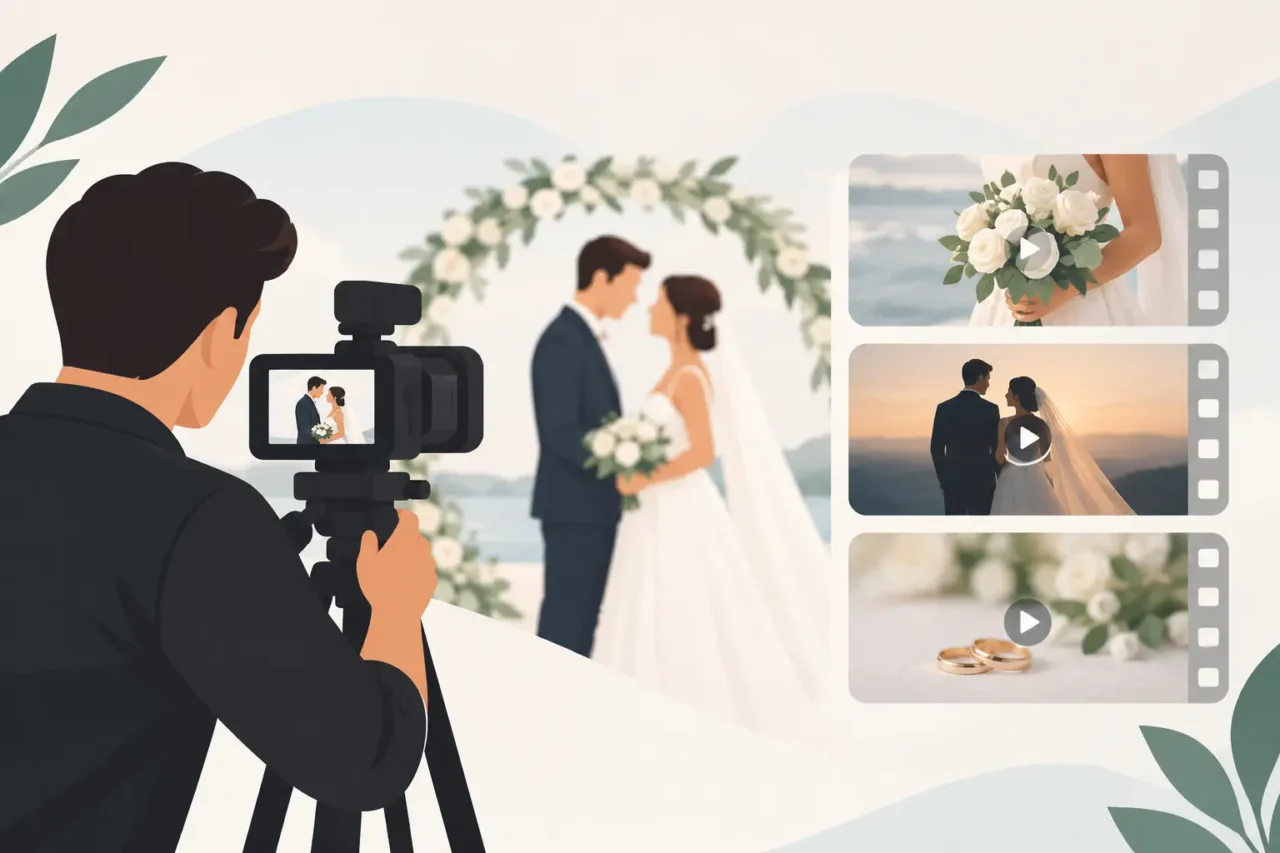
The best wedding film examples do more than show a beautiful venue or a couple’s first dance. They show how a videographer handles real moments: a nervous laugh before the ceremony, a parent’s toast that lands perfectly, a packed dance floor, or a quiet look exchanged when no one else is watching. As you compare films, you are not simply choosing an editing style. You are choosing how your wedding day will feel when you revisit it years from now.
A polished sample reel can be impressive, but it should also help you picture your own celebration. Look for films that feel intentional, emotionally honest, and well-paced. Most importantly, consider whether the videographer captures the kind of moments you value most.
What to Look for in Wedding Film Examples
Start with the opening 30 seconds. Does the film immediately establish a sense of place and personality, or does it rely only on dramatic slow motion and music? Both approaches can work, but the strongest wedding films use visuals, sound, and storytelling together.
Pay attention to audio quality. Clear vows, meaningful toasts, and natural laughter often create the emotional backbone of a wedding film. If every example uses only a music track, ask to see a film with ceremony and reception audio included. Great footage loses impact when the words that mattered most are hard to hear.
Then watch the transitions between parts of the day. A wedding video should move naturally from getting ready to the ceremony, portraits, cocktail hour, dinner, and dancing. It does not need to include every minute of the celebration, but it should feel like a complete story rather than a collection of attractive clips.
Also notice how people are filmed. A beautiful wedding is about more than décor. Look for genuine reactions from your wedding party, family members, and guests. Couples often love the big moments, but the unexpected in-between footage can become just as meaningful over time.
Wedding Film Examples by Style
There is no single “best” wedding film style. The right choice depends on your personalities, the pace of your celebration, and how you want to remember the day. These common approaches can help you recognize what you are drawn to.
Cinematic highlight films
A cinematic highlight film is typically a short, polished recap of the day. It may use carefully selected vows or toast excerpts over music, dramatic establishing shots, slow motion, and intentional color grading. These films are designed to feel emotional and visually elevated.
This style is a strong fit for couples who want a shareable film that captures the overall feeling of the wedding in a few memorable minutes. When reviewing examples, make sure the cinematic treatment still feels like the couple being featured. A film can be artful without making every wedding look the same.
Documentary-style wedding films
Documentary-style films preserve more of the day as it happened. They may include full ceremony coverage, complete speeches, longer stretches of natural audio, and less stylized editing. The emphasis is on preserving the actual experience rather than creating a music-video-style recap.
This option can be especially valuable if your ceremony includes personal vows, cultural traditions, readings, or performances you want to revisit in full. It is also ideal for couples who know that hearing the voices of loved ones will matter deeply in the years ahead.
Story-driven films
Story-driven wedding films blend polished visuals with spoken words from vows, letters, toasts, or interviews. Rather than following the wedding day in strict order, the editor builds a narrative around your relationship and the people celebrating with you.
In strong examples, the story feels personal rather than overly scripted. Listen for whether the audio adds meaning to the footage. A heartfelt father-daughter dance feels different when it is paired with a toast that explains the relationship behind it.
Energetic celebration films
Some couples want their film to feel lively, modern, and full of motion. These examples often feature upbeat music, quick pacing, guest interactions, grand entrances, dance floor footage, and memorable reception energy.
This style works well for couples who see the reception as a major part of the celebration. Still, energy should not come at the expense of key emotional moments. The best party-forward films make room for both the excitement and the meaning behind the day.
Look Beyond the Highlight Reel
A short highlight film is useful, but it is only one piece of the picture. Ask to see examples that are similar to your planned wedding size, venue setting, and timeline. A videographer who shines at a bright outdoor ceremony may use a different approach for a dimly lit ballroom reception or a mountain wedding with changing weather.
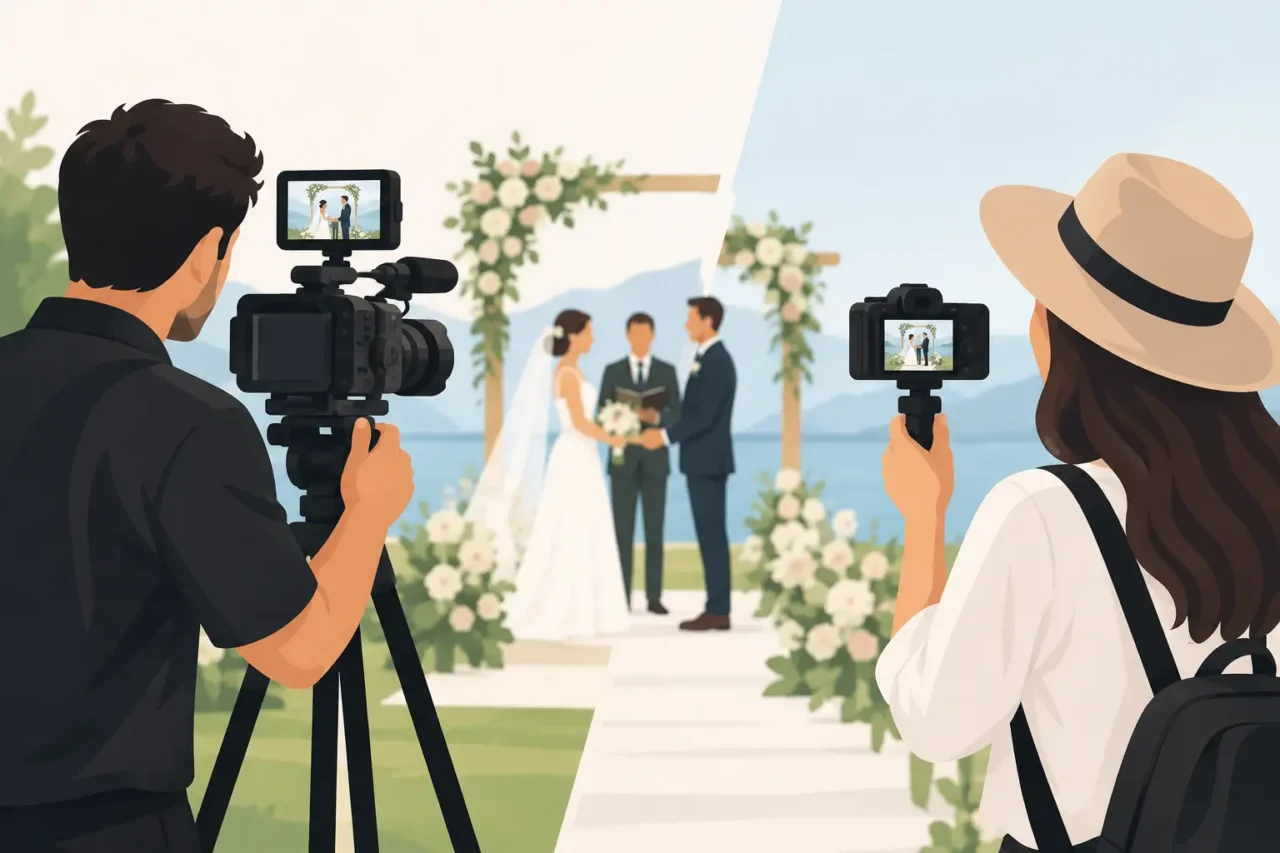
Longer samples can tell you more about consistency. Watch a ceremony excerpt to check camera angles, audio clarity, and whether the couple remains the focus. Watch speeches to see how the videographer captures reactions around the room. Watch reception footage to understand how they work in low light and fast-moving conditions.
If you are planning a Colorado Springs wedding, local experience can be helpful. Outdoor ceremonies may bring wind, strong sun, sudden clouds, or shifting mountain weather. Examples from similar conditions can show whether a video team is prepared to adapt while keeping footage and sound clear.
Questions to Ask After Watching Examples
Once you have found a style you like, the next step is confirming what is included in the videography package. A beautiful sample does not automatically tell you the number of videographers, coverage hours, editing options, or deliverables you will receive.
Ask whether the package includes a highlight film, a full ceremony edit, full reception toasts, raw footage, or a social-media-friendly teaser. Each option serves a different purpose. A short highlight film is easy to share, while a full ceremony video preserves the words and moments that can pass quickly on the wedding day.
You should also ask how the videographer captures audio. Professional microphones for vows, officiants, and toasts make a noticeable difference. If meaningful speeches are high on your priority list, be direct about that before booking.
Finally, ask how the team coordinates with your photographer, DJ, and coordinator. Videography works best when every event professional knows the timeline and can move around key moments without getting in one another’s way. Booking connected services through one provider can simplify communication and help create a more cohesive experience from ceremony to final dance.
Match the Film to Your Priorities
Before choosing based on a favorite song or a dramatic shot, decide what you most want your film to preserve. Some couples care most about the ceremony and vows. Others want their family reactions, cultural traditions, or a lively reception documented. Most want a balance, but identifying your top priorities makes the decision easier.
Consider your comfort level on camera, too. If you prefer candid moments, look for wedding film examples with natural interactions and minimal posing. If you enjoy a more editorial look, pay attention to films that use intentional portrait footage and creative movement. Neither is better. The key is selecting a team whose approach lets you feel comfortable and present.
Your venue and schedule matter as well. A longer portrait window allows room for cinematic footage, while a tightly timed day may call for a more documentary approach. An experienced video team can work within either structure, but sharing your timeline early helps them plan for the moments that matter.
A Film You Will Want to Rewatch
The most meaningful wedding video is not necessarily the one with the most effects or the fastest edits. It is the one that brings you back to the people, words, and energy that made the day yours. When you watch examples, trust the response you have to them. If a film makes you feel connected to a couple you have never met, that is a promising sign.
Complete Weddings + Events helps couples coordinate videography alongside photography, DJ services, lighting, photo booth entertainment, and event support, making it easier to keep the day organized without sacrificing personality. Bring a few favorite examples to your consultation, explain what stands out, and let your priorities guide the plan. The right film should feel less like a production and more like your wedding day, remembered clearly.