
Navigating Dietary Restrictions for Your Wedding Meal
A wedding menu should bring people together, not leave anyone out. Guests may avoid certain foods because of allergies, health conditions, religious practices, or personal choice. If those needs are not considered, it can lead to awkward moments at the table or guests going hungry. Planning ahead makes it possible to serve food that works for everyone while keeping the day calm and organized. The process is less about creating a completely separate menu and more about finding flexible, thoughtful options that fit into your existing plans. With a few simple steps, you can avoid last-minute changes and keep your focus where it belongs, on celebrating with the people you invited.
Start early and ask clearly
When navigating dietary restrictions, keep it simple: “Dietary needs? ☐ Vegetarian ☐ Vegan ☐ Gluten-free ☐ Nut allergy ☐ Halal/Kosher ☐ Other: _____.” Ask for exact information if they check “Other.” Set a clear deadline, about 6 to 8 weeks before the wedding, so your caterer has time to order ingredients and adjust recipes. Add the question to your wedding website in case some guests reply there.

Learn what each diet means
Not every diet works the same way. Gluten-free can mean no wheat or strict avoidance of cross-contact. Vegetarian can include dairy and eggs, while vegan excludes all animal products. Food allergies to nuts, shellfish, or dairy can be severe and need complete separation in prep. Religious diets like kosher or halal may need certified ingredients. Ask your wedding guests to explain if their choice is a preference or a medical need.
Choose a menu that works for everyone
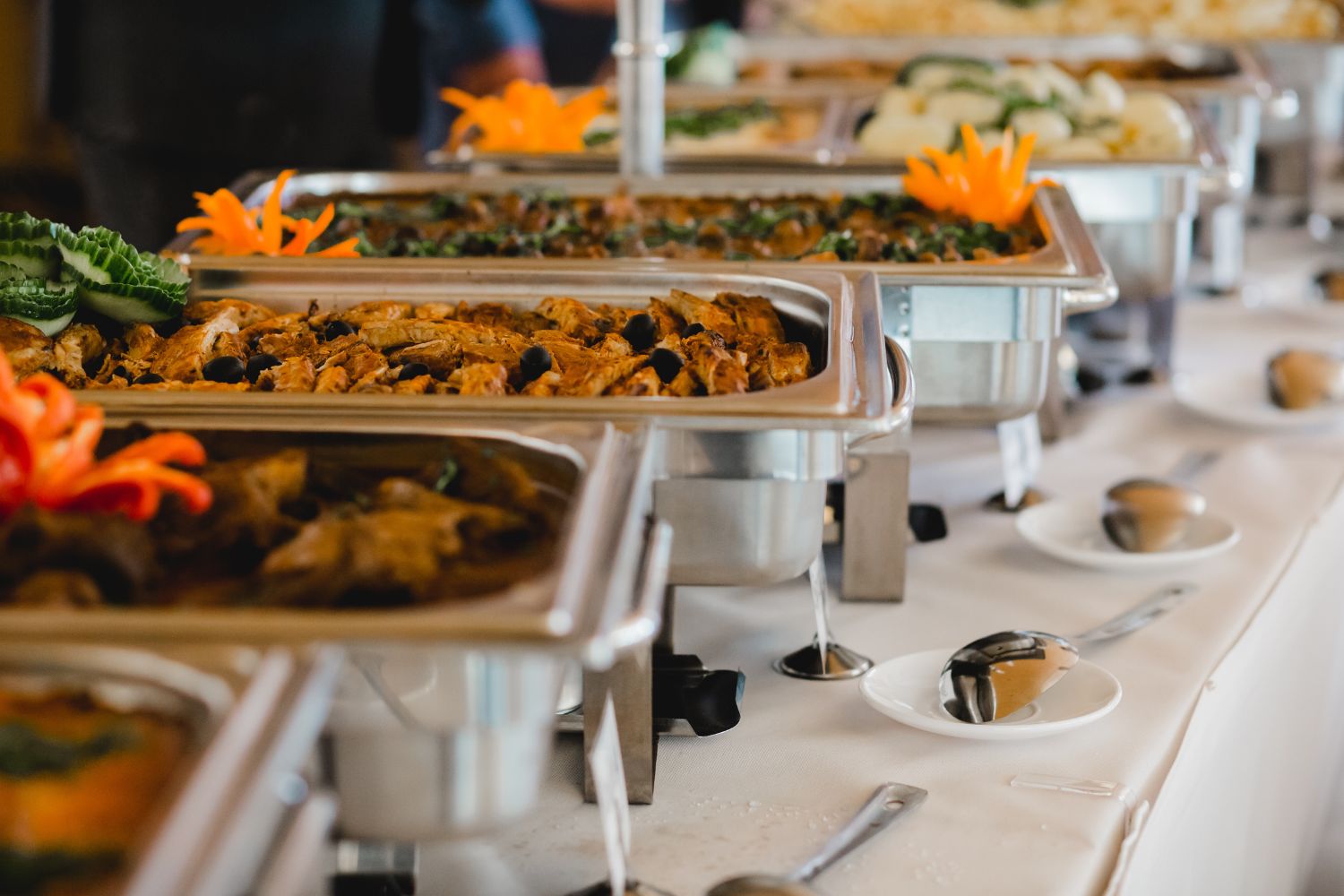
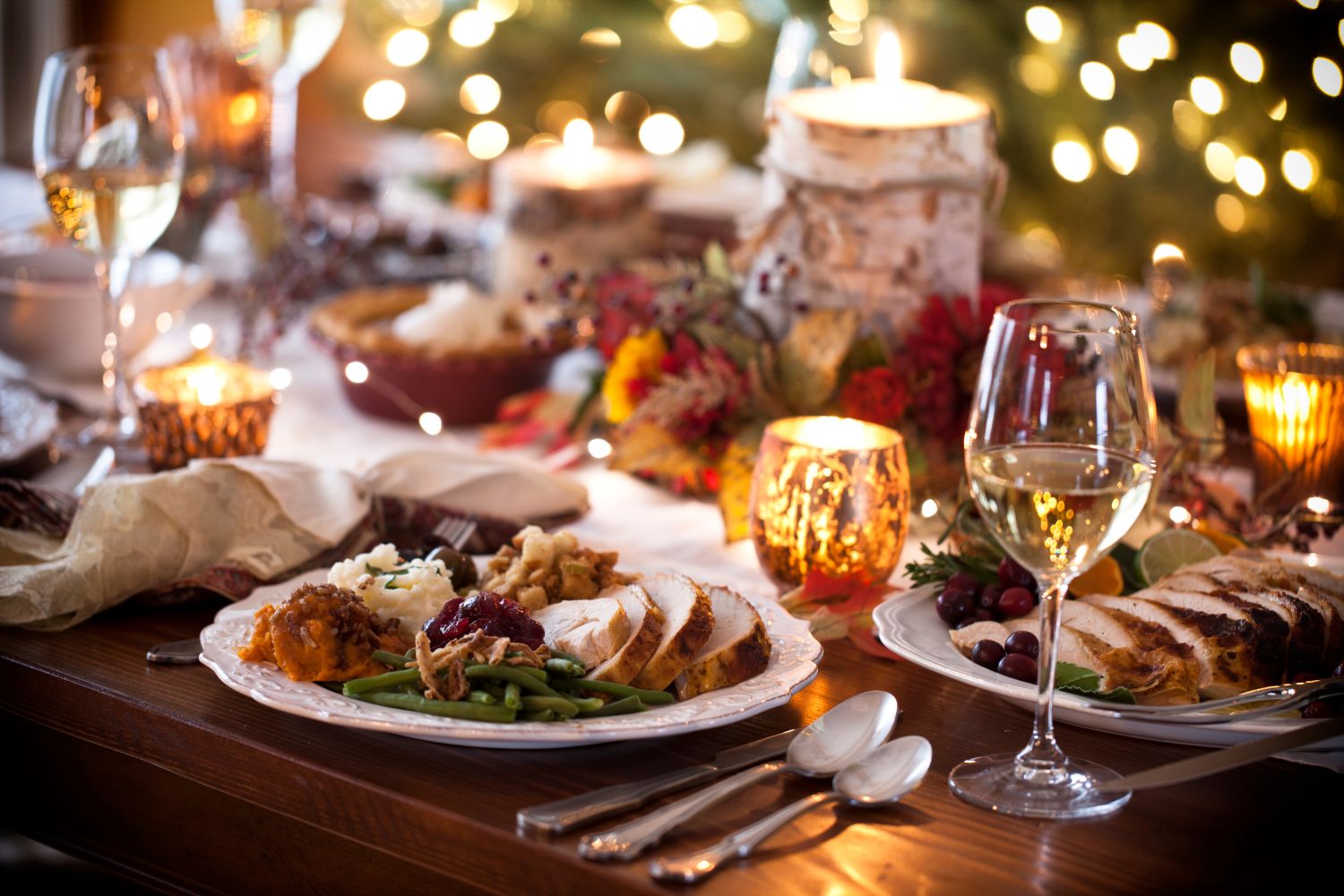
Food stations and buffets let guests make safe choices, but plated meals can be flexible too. Offer at least one main dish that meets common dietary needs, such as roasted vegetables with a grain. For allergies, prepare a separate meal in a safe space and label it with the guest’s name. Include dessert options like dairy-free chocolate cake or gluten-free cupcakes so no one feels excluded.
Label food and train servers
A professional caterer knows what’s safe and what’s not and that knowledge makes all the difference. Clear labels help guests make safe choices. Use simple wording or small icons like GF for gluten-free, DF for dairy-free, and V for vegan.
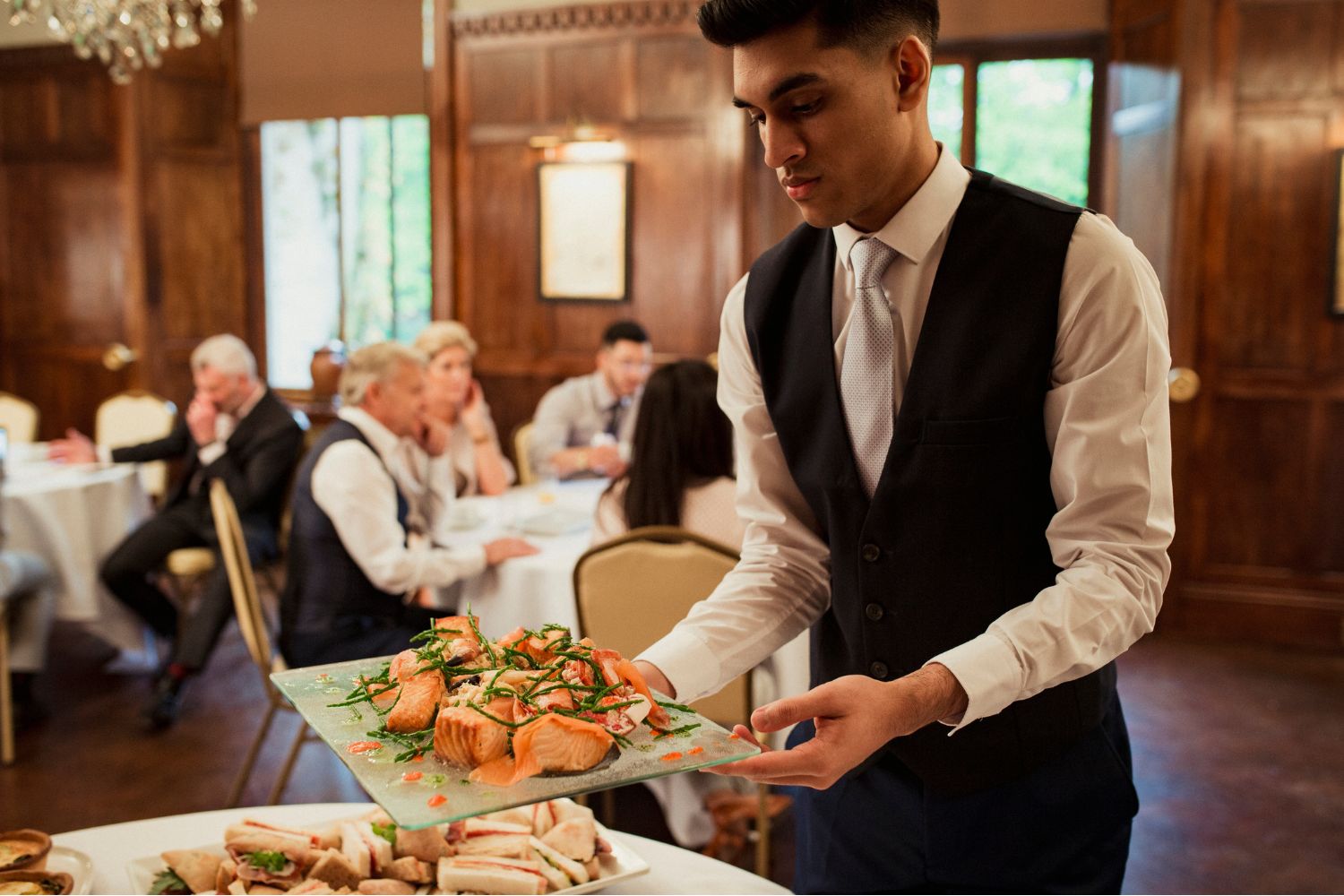
Equally important is training the servers. They should know exactly which dishes are safe and how to serve them without mixing utensils. If possible, ask your venue for a separate prep area or use color-coded serving tools to prevent cross-contact.
Plan tastings and coordinate with vendors
Arrange a tasting that includes special diet dishes so you know how they look and taste. Share your guest list and their needs with your caterer, coordinator, and lead server. On the event timeline, add a note to confirm that all special meals are ready before the reception begins. This keeps everyone aware of the plan.

Making it work in Colorado Springs
Our team at Complete Weddings + Events Colorado Springs works with couples to ensure Navigating Dietary Restrictions are met without disrupting the flow of the day. We coordinate with caterers, keep meal details organized, and handle special requests during the reception. We also provide wedding photography, wedding videography, wedding photo booth rental, wedding DJs, and wedding day-of coordination for couples in Colorado Springs.