
When to Hire a Wedding Photographer for Your Date
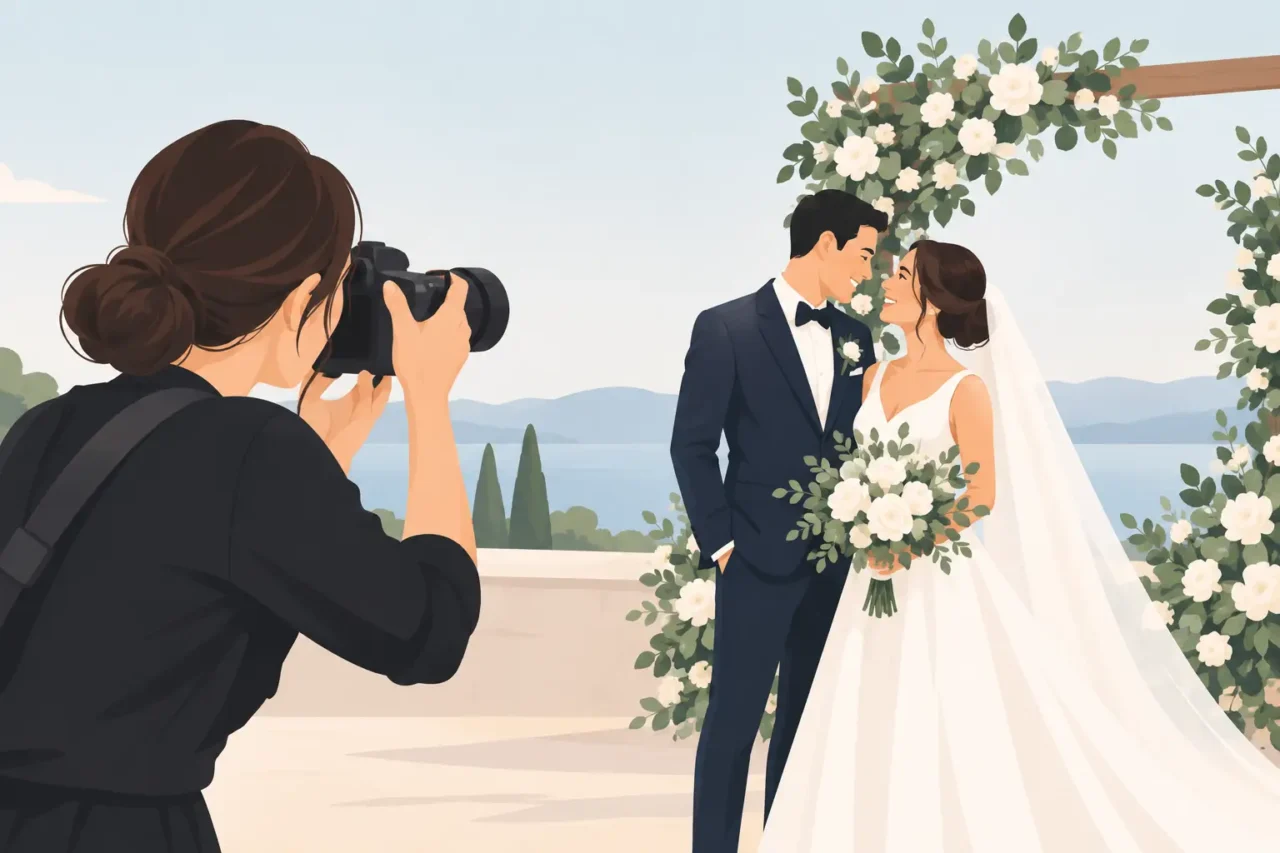
Your favorite photographer can be fully booked long before you send invitations, choose flowers, or finalize your reception menu. That is why knowing when to hire a wedding photographer can make a major difference in both your options and your peace of mind. Once you have a wedding date and a general location, photography deserves an early place on your planning list.
When to Hire a Wedding Photographer
For most couples, the best time to hire a wedding photographer is 9 to 12 months before the wedding. If you are marrying during a popular season, on a Saturday, or at a sought-after venue, starting 12 to 18 months ahead gives you the strongest selection of professionals and packages.
Photography is not simply another item to check off. Your photographer will preserve the moments you cannot replay: a parent seeing you ready for the first time, the vows, the happy chaos on the dance floor, and the quiet just-married minutes after the ceremony. Booking early gives you time to choose someone whose approach feels right, rather than choosing only from whoever happens to be available.
The exact timing depends on your date, location, guest count, and priorities. A relaxed weekday wedding in the off-season may offer more flexibility than a fall Saturday celebration. Still, earlier is generally easier, especially when you want an experienced team that can offer photography alongside videography, DJ services, lighting, photo booth rentals, or coordination support.
A Booking Timeline That Works for Most Weddings
12 to 18 months before: Prime dates and popular seasons
Start looking as soon as your date and venue are reasonably secure if your wedding falls between late spring and early fall, takes place on a holiday weekend, or is scheduled for a Saturday. In Colorado Springs and surrounding mountain communities, beautiful weather, scenic venues, and destination guests can make certain dates especially competitive.
This timeline is also smart for couples who care deeply about a particular photography style. Whether you prefer classic portraits, candid storytelling, editorial detail shots, or a blend of each, booking early lets you choose based on fit instead of availability.
9 to 12 months before: The standard sweet spot
This is the ideal window for many weddings. You should have enough information to request accurate pricing, compare coverage options, and reserve a photographer without feeling rushed. It also leaves room to schedule an engagement session, plan your wedding-day timeline, and coordinate photography with other vendors.
If you are considering bundled services, this is a practical time to ask how photography works alongside video, entertainment, and lighting. Having core event services coordinated through one provider can reduce back-and-forth communication and help each part of the day support the same overall plan.
6 to 8 months before: Still possible, but act quickly
You can absolutely find a great photographer within this window, particularly for a Friday, Sunday, winter wedding, or a date outside peak season. However, your preferred photographer may already be booked, and popular package times can be limited.
At this stage, be ready to make decisions efficiently. Know your approximate budget, the number of hours you need, and whether you want additional coverage such as a second photographer, engagement photos, or a wedding album. Waiting too long to compare every possible option can make the process more stressful than it needs to be.
Under 6 months before: Focus on availability and clear communication
A shorter engagement does not mean you have to settle for disappointing photos. It does mean availability becomes the first practical question. Contact experienced providers promptly, share your date, venue, guest count, and priorities, and ask what coverage options remain.
Flexibility helps. You may find more choices by considering an associate photographer, adjusting the number of coverage hours, or being open to a different photography style than you initially imagined. The right professional will be transparent about what they can deliver and help you build a realistic plan for your celebration.
Book After Your Venue, Not After Every Detail
Couples sometimes wait until they have selected every color, centerpiece, and song before reaching out to photographers. You do not need to have every detail finalized. A confirmed date and venue, or at least a firm location and date, are usually enough to begin.
In fact, hiring your photographer early can help with later choices. A photographer who knows your venue can offer useful perspective on portrait locations, ceremony lighting, seasonal sunset timing, and how much time to set aside for family photos. This is especially valuable for outdoor weddings, mountain venues, or events with travel between ceremony and reception sites.
Your wedding day will move faster than expected. Building a photography timeline early helps protect the moments you value without making the day feel over-scheduled. It can also prevent common issues, such as trying to fit family portraits into a 15-minute gap or realizing sunset photos overlap with dinner service.
What to Decide Before You Sign a Contract
You do not need a complete wedding blueprint, but a few decisions will make your photography consultation more productive. Start with the feeling you want your photos to have. Some couples want mostly natural, documentary-style images. Others want polished posing, formal family portraits, or a mix of candid and guided moments.
Next, consider coverage. A smaller celebration may need six hours, while a full wedding day with getting-ready photos, a first look, ceremony, reception, and grand exit may need eight hours or more. Think through the parts of the day that matter most to you. If you do not care about a staged exit, for example, you may prefer to put that time toward getting-ready photos or an extended reception.
Budget matters too, but look beyond the starting price. Ask what is included, how many photographers will attend, when you can expect your gallery, and whether editing, downloads, print rights, or albums are part of the package. A clear proposal is more useful than a low number that leaves key details unanswered.
Finally, pay attention to communication. Your photographer will be present for personal, emotional moments and will often guide large groups during family portraits. You should feel comfortable with their professionalism, responsiveness, and ability to keep the day moving calmly.
Why Booking Photography Early Makes Planning Easier
An early photography booking gives you one less high-priority vendor to manage as your wedding gets closer. It also makes it easier to coordinate your entire event experience. Your photo schedule affects hair and makeup timing, transportation, ceremony start time, cocktail hour, dinner service, and even when the DJ introduces your wedding party.
When these pieces are planned separately, small disconnects can create avoidable pressure. For example, a delayed ceremony can shorten portrait time, while an unclear reception timeline can cause you to miss photos of special dances or toasts. Coordinated vendors can communicate around the same schedule and adapt more smoothly if the day runs behind.
This does not mean every couple needs the same package. A simple wedding may only need focused photography coverage. A larger celebration may benefit from photography, videography, DJ and MC services, lighting, and a photo booth working together. The best choice is the one that fits your plans, guest experience, and budget without adding unnecessary complexity.
Questions to Ask Before You Book
Before you reserve your date, ask about the photographer’s approach to posing, backup equipment, timeline support, and experience at events similar to yours. It is also helpful to ask how they handle low-light receptions, changing weather, large family groupings, and unexpected schedule changes.
Review full wedding galleries when available, not only highlight images. A strong portfolio should show consistency across bright outdoor ceremonies, indoor receptions, formal portraits, candid moments, and evening dance floors. You want confidence that your photos will look thoughtful throughout the day, not only during ideal lighting conditions.
If you are booking multiple services, ask who will be your main point of contact and how the teams coordinate before the event. Complete Weddings + Events can help couples bring key wedding services together, making it easier to manage details with one experienced partner rather than several separate vendors.
Do Not Wait for the Perfect Planning Moment
There will always be another decision waiting for you: invitations, attire, catering, rentals, or the guest list. Photography should not be delayed until everything else feels finished. Once your date is set, begin your search, ask clear questions, and reserve the team that gives you confidence.
The best wedding photos come from more than a beautiful backdrop. They come from feeling present, supported, and free to enjoy the people who came to celebrate with you. Give yourself the time to choose a photographer who helps make that possible.