
How to Organize a Corporate Gala With Confidence
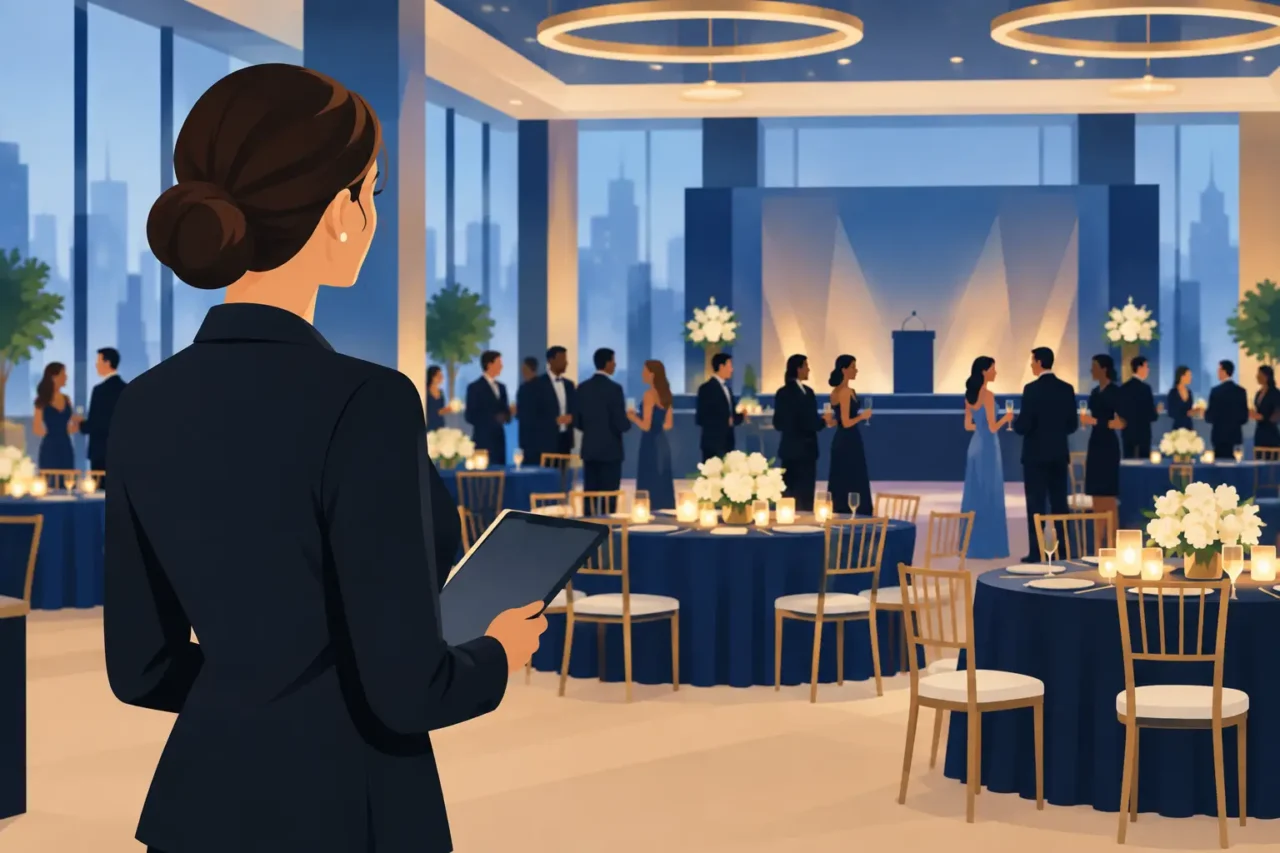
A corporate gala is often one of the few nights when leadership, employees, clients, and community partners are all in the same room. Knowing how to organize a corporate gala means planning beyond dinner and décor. Every choice, from the arrival experience to the final song, should reinforce why guests were invited and make them feel valued for showing up.
The most successful galas feel polished without feeling overproduced. They have a clear purpose, a realistic budget, a dependable production plan, and enough personality to give guests something worth talking about the next day.
Start With the Gala’s Purpose
Before comparing venues or selecting a color palette, decide what the event needs to accomplish. A fundraising gala requires a different flow than an employee awards dinner. A client appreciation event may call for more conversation time and less formal programming, while a company anniversary can support a bigger entertainment moment and a more immersive theme.
Write a simple event brief that identifies the audience, the primary goal, the guest count range, the desired feeling, and the measures of success. Those measures could include ticket revenue, donations, attendance, sponsor visibility, employee engagement, or post-event leads. This brief keeps decisions focused when there are many opinions in the room.
It also helps determine the right level of formality. Black tie can create excitement for a milestone celebration, but it may lower attendance if the audience is accustomed to relaxed company gatherings. The best format fits your organization and your guests, not just the latest event trend.
Build a Budget That Protects the Guest Experience
A gala budget should account for more than the venue, food, and beverages. Production details often shape the atmosphere guests remember most: sound that lets everyone hear the program, lighting that makes the room feel intentional, entertainment that maintains energy, and photography or video that extends the event’s value after the night ends.
Set aside a contingency amount for last-minute needs, such as additional rental equipment, revised signage, weather accommodations, or a higher-than-expected guest count. A contingency is not wasted money. It is what allows the planning team to solve a problem without sacrificing a critical guest-facing element.
When evaluating vendors, compare the full scope of service rather than choosing solely on the lowest initial number. A bundled approach for entertainment, lighting, photo booth service, and event coverage can reduce communication gaps and make the schedule easier to manage. It can also give the event a more cohesive look and feel because the teams are working from one shared plan.
Choose a Venue That Supports the Program
A beautiful room is only useful if it works operationally. Confirm the venue’s capacity with the actual setup in mind, including dining tables, a stage, dance floor, auction displays, registration, photo opportunities, and accessible pathways. Ask where guests will enter, where the bar lines will form, and whether the room has a natural place for sponsor recognition or a social lounge.
Technical details matter just as much. Find out what sound system, lighting, power access, loading access, Wi-Fi, and rigging options are available. If the event includes speakers, an awards presentation, a live auction, or video playback, plan a production walkthrough well before event day. A venue’s included AV may be sufficient for a small dinner, but a larger gala often benefits from dedicated event production support.
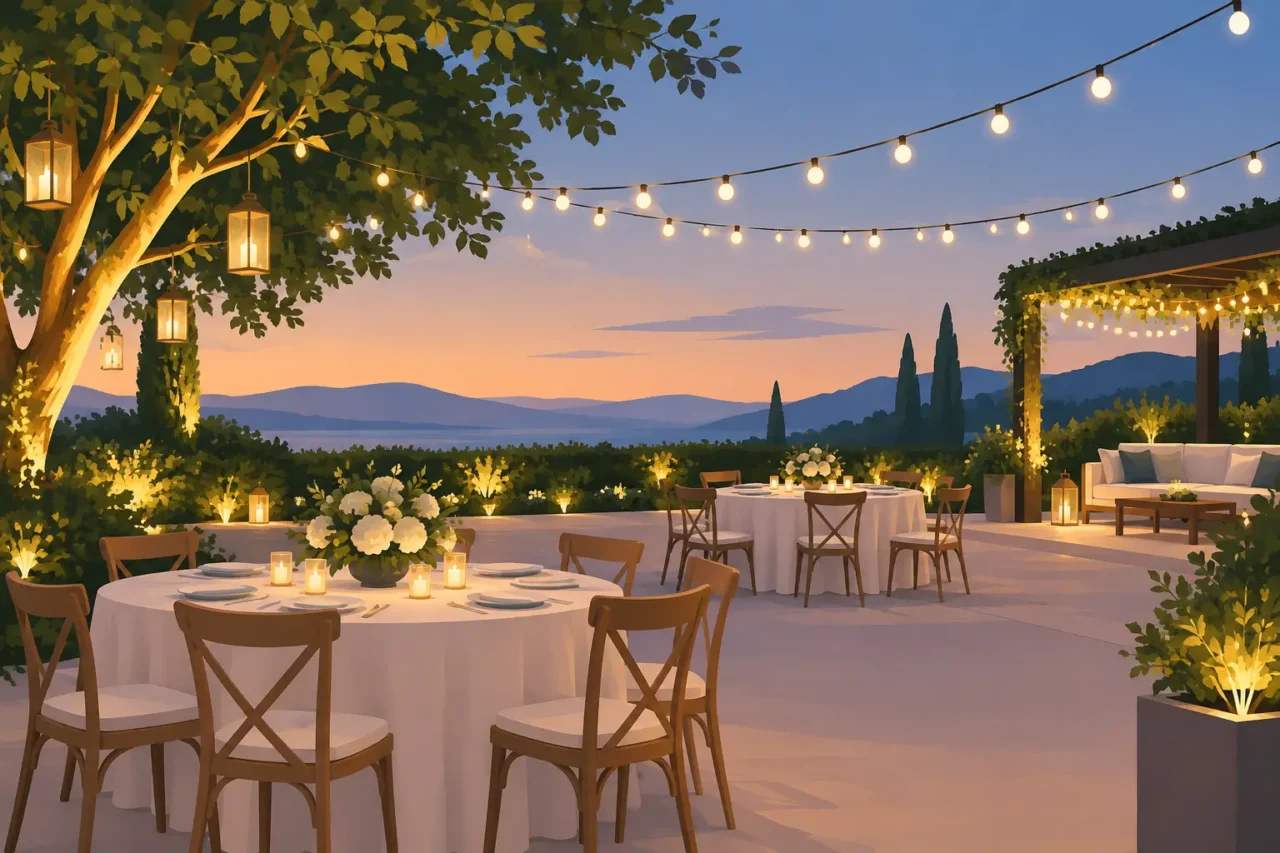
For Colorado Springs-area events, weather should be part of the venue conversation when any portion of the gala is outdoors. Have a clear indoor alternative for arrivals, cocktail hour, or entertainment, and communicate that plan to vendors early.
Create a Run of Show Guests Can Feel
A gala should move with purpose. Guests do not need to see the production schedule, but they immediately notice when there is a long wait between courses, an unclear transition, or a program that runs too long.
Begin with an arrival window that gives guests time to check in, take photos, visit sponsor displays, and connect over cocktails. Then bring everyone into the main program with a clear cue, such as a lighting change, music transition, or announcement from the MC. Keep formal remarks concise and place the most meaningful content when attention is highest.
A practical event-day schedule should include these key checkpoints:
- Vendor load-in, setup, sound check, and room styling completion
- Registration opening, guest arrival, cocktail hour, and photo opportunities
- Dinner service, speeches, awards, fundraising moments, or presentations
- Entertainment, dancing, final announcements, and a controlled vendor load-out
Build buffer time between major moments. Dinner service can run late, a speaker may need an extra minute, and guests may take longer than expected to move from one space to another. A flexible run of show keeps small delays from becoming visible stress.
Keep the Program Focused
Most guests will remember one or two standout moments, not every item on the agenda. Choose those moments intentionally. It might be an emotional award presentation, a powerful mission video, a surprise performance, or a well-produced entrance that sets the tone for the night.
If the gala includes fundraising, make the ask clear and easy to act on. Explain what contributions support, give guests a simple way to donate, and avoid stacking too many requests into one evening. Recognition is valuable, but an overly long sponsor roll call can drain momentum. Consider incorporating sponsor visibility into signage, screens, printed materials, or a brief thank-you sequence instead.
Design the Room for Connection and Energy
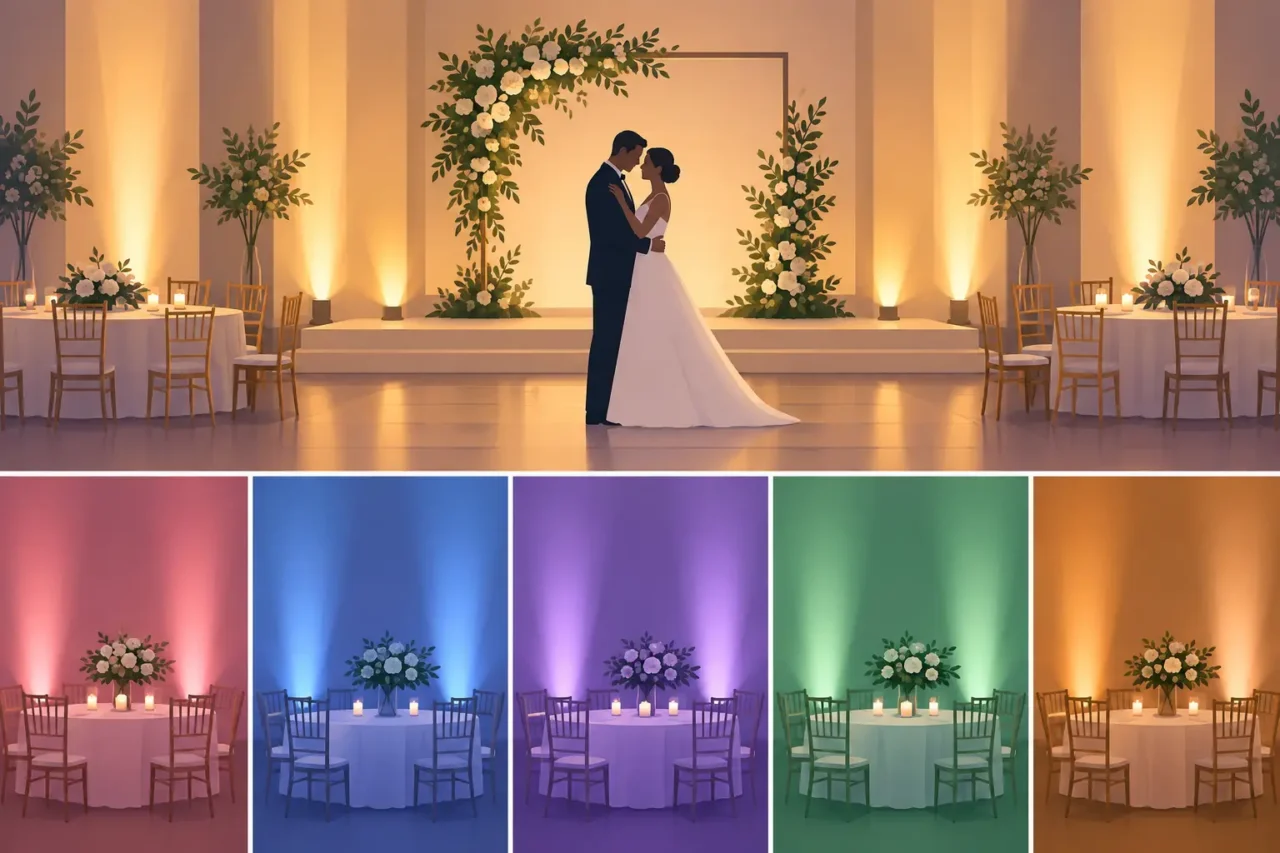
Theme and décor should support the event’s purpose, not compete with it. Start with a few visual decisions that create consistency: a color story, lighting approach, table style, stage backdrop, and guest photo moment. Lighting is especially effective because it can transform a familiar ballroom, guide attention during the program, and shift the mood when it is time to celebrate.
Think about the room from a guest’s perspective. Can they find registration immediately? Is the stage visible from every table? Is there enough space to mingle without blocking service? Are quieter seating areas available for guests who want conversation away from the music?
Entertainment deserves the same strategic thinking. A DJ and experienced MC can manage transitions, introduce speakers, keep announcements clear, and read the room once the formal program ends. A photo booth can add a relaxed, interactive element that works especially well during cocktail hour or dancing, while giving guests a takeaway from the event.
Coordinate Vendors Around One Plan
The planning process becomes more manageable when every vendor has the same current information. Share the final timeline, floor plan, contact list, load-in instructions, dress code, and key program cues in advance. Confirm who has authority to make decisions on event day, especially if the primary planner will be greeting executives or guests.
Schedule a final planning call one to two weeks before the gala. Review names and pronunciations for speakers, music cues, presentation files, meal timing, accessibility needs, and any special recognition moments. This is also the time to clarify what happens if a vendor is delayed, a speaker is late, or weather affects the plan.
Working with an integrated event team can simplify these handoffs. Complete Weddings + Events can coordinate entertainment, lighting, photo booth service, photography, videography, and planning support through one experienced partner, helping corporate planners spend less time relaying details between separate teams.
Plan for the Experience After the Gala
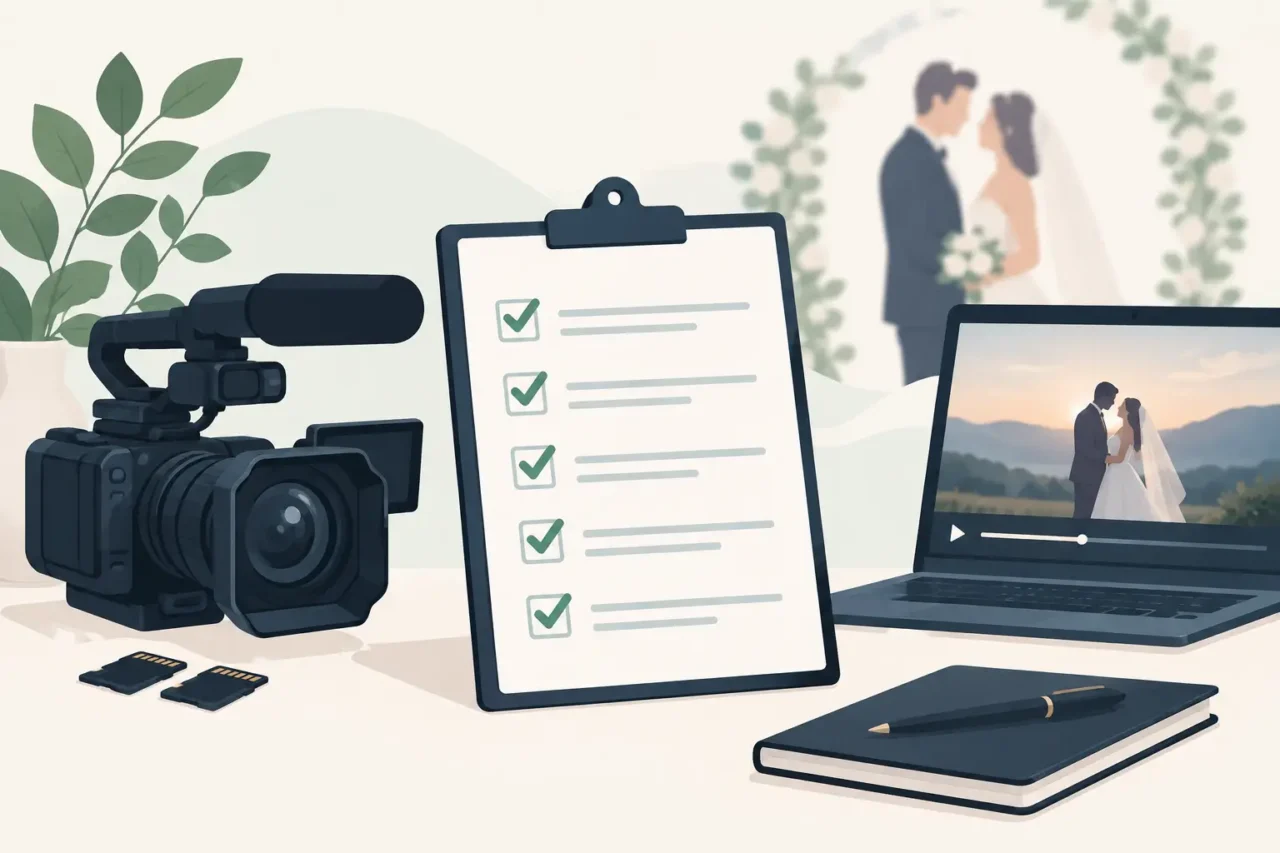
The event does not end when the last guest leaves. Decide before the gala how you will share photos, video highlights, award recognition, fundraising results, or a thank-you message. Timely follow-up helps guests feel appreciated and gives your organization useful content for internal communications, recruiting, social channels, and future event promotion.
Gather feedback while the experience is still fresh. Ask a small group of attendees, sponsors, and internal stakeholders what felt most valuable and what created friction. Their answers will help you protect what worked and improve the next celebration without starting from scratch.
A well-organized corporate gala is not about adding more to the night. It is about making the right moments feel effortless, giving guests a reason to connect, and surrounding the plan with people who know how to bring it to life.