
Wedding Videography Planning Guide for Couples

The moments couples replay most often are rarely the ones they expected. A parent’s voice during a toast, the nervous laugh before the first look, or the full dance floor singing along can become just as meaningful as the ceremony itself. This wedding videography planning guide helps you make thoughtful decisions early, so your film reflects the feeling of your day without adding another complicated task to your planning list.
Start With the Experience You Want to Remember
Before comparing packages or deciding how many hours of coverage you need, consider what you want the finished film to feel like. Do you picture a cinematic highlight full of sweeping scenery and music? Do you want to hear every word of your vows and speeches? Or is your priority having a complete record of the ceremony and reception events for family members who could not attend?
Most couples want a combination of both emotion and coverage. A short highlight film can capture the energy and visual story of the day, while full edits of the ceremony and toasts preserve the words that matter. Neither option is automatically better. It depends on whether you value a polished recap, a detailed record, or both.
Your wedding style should inform the approach, too. An intimate garden wedding may call for a quieter, documentary feel. A large reception with a packed dance floor may benefit from more emphasis on guest reactions, music, and movement. Sharing a few examples of videos you enjoy can help your videographer understand your preferences, but leave room for their professional judgment. Your wedding should not feel like a shot-for-shot recreation of someone else’s.
Book Coverage That Fits Your Actual Timeline
Videography coverage is usually determined by hours, which makes your timeline one of the most practical planning tools you have. Start from the events you want captured rather than choosing a number at random.
If you want the story to begin with getting ready, plan for coverage to start before hair, makeup, and final wardrobe details are complete. The best preparation footage often happens during the last stretch: a parent fastening a dress, friends sharing a quiet moment, or the anticipation before leaving for the ceremony.
For the reception, decide which events matter most. The first dance, parent dances, cake cutting, and toasts are common priorities. If you want active dance floor footage, build in enough coverage after those formal moments. A videographer scheduled to leave immediately after the cake cutting cannot capture the celebration that follows.
Ask your venue and coordinator about travel time between locations, sunset timing, and any restrictions on ceremony setup. In Colorado Springs and nearby mountain communities, weather and changing light can influence the schedule quickly. A realistic buffer keeps a delayed shuttle, a long receiving line, or a family-photo adjustment from cutting into the moments you hoped to film.
Prioritize Clear Audio
Beautiful footage matters, but clear sound is what brings a wedding film back to life. Vows, readings, toasts, and private letters carry emotional weight that music alone cannot replace.
Talk with your videographer about how they capture audio. Professional teams typically use discreet microphones for key speakers and a separate recording source from the DJ or sound system when available. This backup approach matters because live events are unpredictable. A microphone can shift, a guest can speak away from the podium, or a venue’s sound system may not perform as expected.
You can help by reminding officiants, readers, and toast-givers to speak clearly and use the microphone. If you are exchanging personal vows, provide a clean written copy in advance if your videographer requests one. It may help with editing, especially if wind, applause, or happy tears make a few words difficult to hear.
Build a Shot List Without Overdirecting the Day
A short list of must-have people and moments is useful. A long list of highly specific shots can make the day feel staged and pull attention away from the celebration. The goal is to communicate priorities, not direct every minute.
Share the names of important family members, meaningful traditions, surprise performances, and reception details you worked hard to create. Mention anything with a limited window, such as a cultural ceremony, an heirloom being worn, or a grandparent who may leave early. These details allow your videographer to prepare instead of trying to identify significance in the moment.
It is also helpful to tell your photo and video team whether you are doing a first look, private vows, or a sunset portrait session. These can create some of the most personal footage of the day, but only if enough time is protected for them. When photography, videography, DJ services, and coordination are aligned on the same timeline, transitions tend to feel calmer and more efficient.
Plan for a Camera-Friendly Ceremony
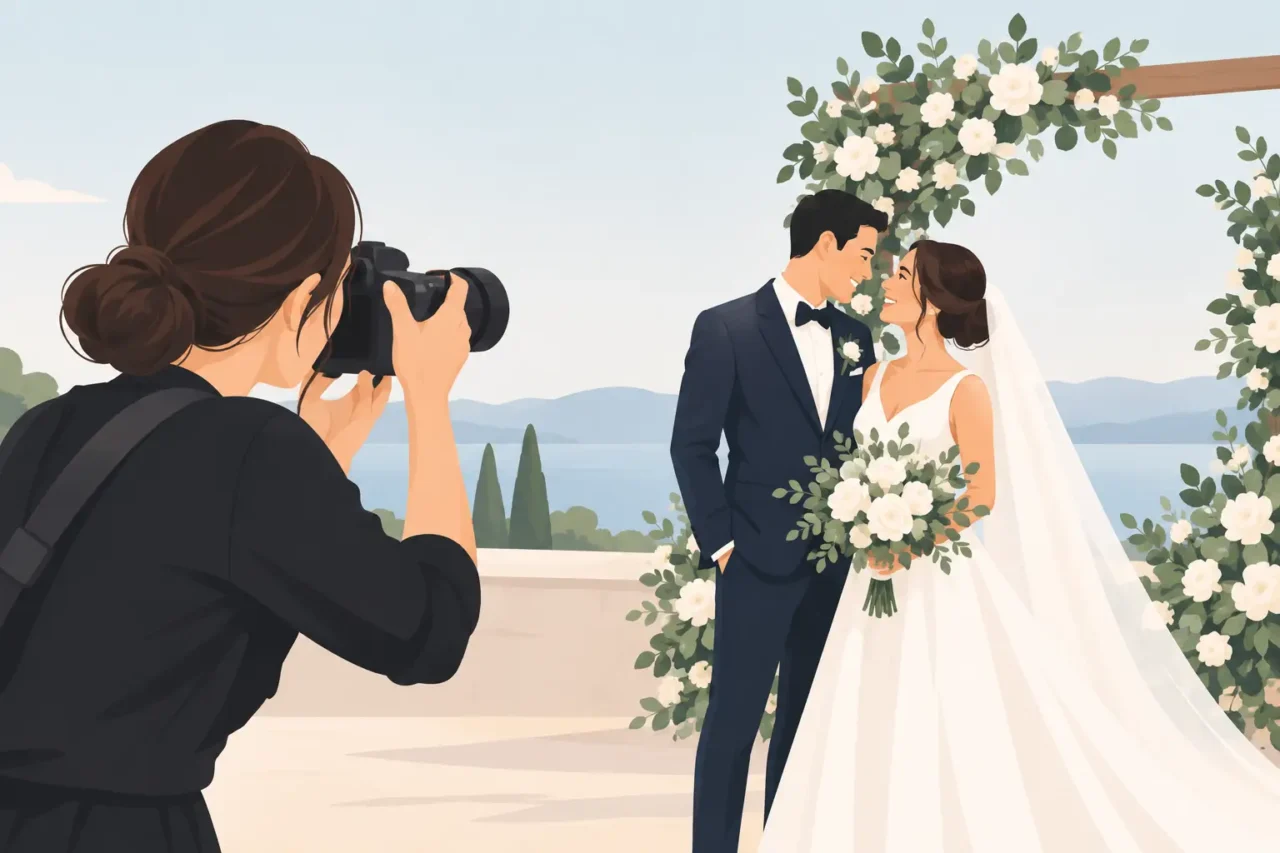
You do not need to redesign your ceremony for video, but a few decisions can make a noticeable difference. Consider where you will stand in relation to the sun, whether the altar area is well lit, and how the aisle will look from the back of the room. Strong backlighting can be beautiful, but it requires an experienced team that knows how to expose for both the couple and the setting.
Ask your officiant to avoid standing directly between you and your guests during key parts of the ceremony. If you have musicians, readers, or a unity ritual, confirm where each person will stand. Small adjustments preserve clean sightlines without making the event feel overly produced.
Guest phones are another consideration. An unplugged ceremony request can help keep the aisle clear and allow everyone to be present. If you prefer not to make that request, your videographer can still work around guests, but it is worth recognizing the trade-off. A sea of raised phones can distract from an otherwise timeless ceremony shot.
Choose a Team That Works Well Together
Your videographer will be moving alongside your photographer, coordinator, officiant, venue staff, and DJ throughout the day. Collaboration is not a minor detail. It affects how smoothly portraits run, whether audio is captured cleanly, and how much time you get to spend with your guests.
When you book related services through one event company, communication can be simpler because the teams are accustomed to sharing timelines and working in the same spaces. Complete Weddings + Events can coordinate photography, videography, DJ, lighting, photo booth, and planning support in a way that reduces the number of separate conversations on your to-do list.
That said, any vendor combination can work well when expectations are clear. Confirm who is creating the master timeline, who will cue major reception events, and how vendors will communicate if the schedule changes. Give your videographer the final timeline, venue contact information, and a point person who can answer quick questions on the wedding day.
Understand Deliverables Before You Sign
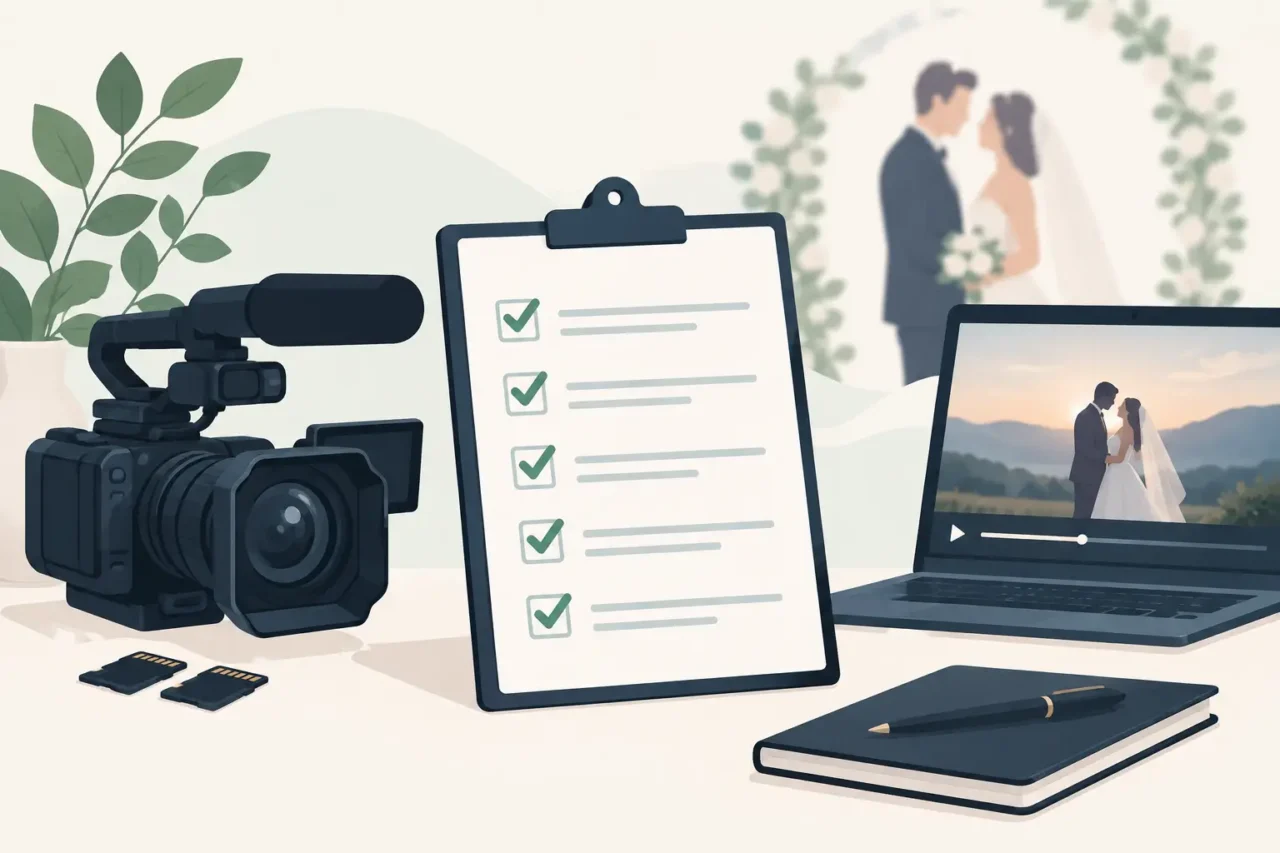
Videography packages can vary widely, so compare what you will receive, not just the number of filming hours. Ask whether your package includes a highlight film, full ceremony edit, full toast edit, social-media-length clip, raw footage, or additional copies. Also ask about estimated delivery timing and the process for requesting changes.
A longer film is not always more meaningful, and a short film is not always less complete. A three- to five-minute highlight can be easy to share and revisit, while a full ceremony edit serves a different purpose. Consider how you and your family will actually watch the footage in the years ahead.
Be candid about your budget and priorities. If you need to choose, protecting quality audio and coverage of the ceremony and toasts is often a wiser investment than adding every optional extra. If having both a photo booth and late-night dance footage is important, discuss ways to customize coverage rather than assuming every package will fit your schedule.
Make Room to Be Present
The strongest wedding films are not created by perfect poses alone. They come from real reactions, unplanned laughter, and the way you look at each other when the room finally gets quiet. Once you have shared your priorities and approved the timeline, give your video team permission to observe.
A little planning creates the freedom to stop managing the day. Put your phone away when you can, take a breath before the ceremony begins, and let the people you chose to support you do their jobs. Years from now, the details will matter, but the feeling of being fully there will matter even more.