

Wedding Planning Blues and How Couples Can Handle Them

Wedding planning blues are feelings of stress, overwhelm, anxiety, or frustration that many couples experience during the planning process. Common causes include budgeting, family expectations, decision fatigue, and balancing wedding tasks with everyday life. Couples can handle these challenges by communicating openly, sharing responsibilities, setting realistic expectations, and taking breaks when needed. Most wedding stress is temporary, and with proper planning and support, couples can enjoy the process while focusing on what truly matters.
What Are Wedding Planning Blues?
Wedding planning blues are the feelings of stress, anxiety, frustration, or emotional exhaustion that couples may experience while preparing for their wedding. Planning such a large event can become overwhelming because there are many decisions to make within a limited amount of time.
These emotions can be caused by:
- Financial pressure
- Family opinions and expectations
- Vendor coordination
- Guest list concerns
- Fear of things going wrong
While weddings are exciting, they also require a lot of emotional and financial energy, which is why stress during planning is very normal.

Why Wedding Planning Feels So Stressful
1. Too Many Decisions
Planning a wedding involves dozens of important choices, from selecting a venue to finalizing guest lists and entertainment. Constant decision-making can quickly become mentally exhausting, especially when couples are balancing work and daily responsibilities at the same time.
Some of the biggest wedding decisions include:
- Choosing a venue
- Setting the guest count
- Hiring vendors
- Managing the timeline
Even small decisions can add pressure when everything starts happening at once.

2. Budget Pressure
Finances are one of the most common sources of wedding stress. Weddings can cost thousands of dollars depending on the location, guest count, and services included.
Expenses often include:
- Venue and catering
- Photography and videography
- Music and entertainment
- Decorations and rentals
Unexpected expenses can also appear during the planning process, which is why couples benefit from creating a clear and realistic budget early on.

3. Family Expectations
Family members may have different ideas on how the wedding should look. Couples sometimes feel pressured to make everyone happy, which can create additional stress and tension.
Family members may have different opinions about:
- Guest lists
- Traditions
- Religious ceremonies
- Budgets
Learning how to set healthy boundaries and prioritize shared decisions as a couple can make planning much easier.

How Couples Can Handle Wedding Planning Blues
1. Create a Realistic Budget
A clear budget helps couples stay organized and avoid financial surprises later in the planning process. Knowing what you can realistically afford also makes decision-making easier.
A practical starting point: each partner writes down their top three priorities independently, then compare lists. Look for overlap and use it as your guide for allocation. When both people feel heard in that conversation, distributing the budget becomes a shared decision rather than a negotiation.
Helpful budgeting tips include:
- Prioritize the most important services first
- Leave room for unexpected expenses
- Track deposits and payments carefully
- A shared spreadsheet for tracking vendor names, deposits paid, balances due, and key dates
A realistic budget reduces stress and helps couples feel more in control.

2. Divide Wedding Responsibilities
Wedding planning should be a shared effort whenever possible. When one person handles everything alone, burnout and frustration can happen quickly.
Couples can divide responsibilities based on interests or availability. For example, one partner may handle vendor communication while the other manages budgeting or guest coordination. Sharing responsibilities creates better teamwork and reduces pressure on both people.

3. Schedule Wedding-Free Time
Not every conversation needs to revolve around the wedding. Taking breaks from planning helps couples reconnect and recharge emotionally.
Simple ways to create balance include:
- Going on date nights
- Spending time with friends
- Taking weekends off from planning
Even short breaks can help reduce stress levels and improve communication.

4. Limit Social Media Comparison
It is easy to feel pressure after seeing extravagant weddings online, but social media usually only shows the highlight moments. Many couples compare their real-life planning experience to carefully edited content, which can lead to disappointment.
Helpful reminders:
- Every wedding is different
- Budget sizes vary greatly
- Simple weddings can still be meaningful
- Guests remember the experience more than perfection

5. Ask for Help When Needed
Couples do not need to handle every detail alone. Asking for help from trusted friends, family members, or wedding professionals can make the process much more manageable. Having extra support can reduce stress and help couples enjoy the experience more.
Support may include:
- Wedding planners or coordinators
- Vendor recommendations
- Day-of setup assistance
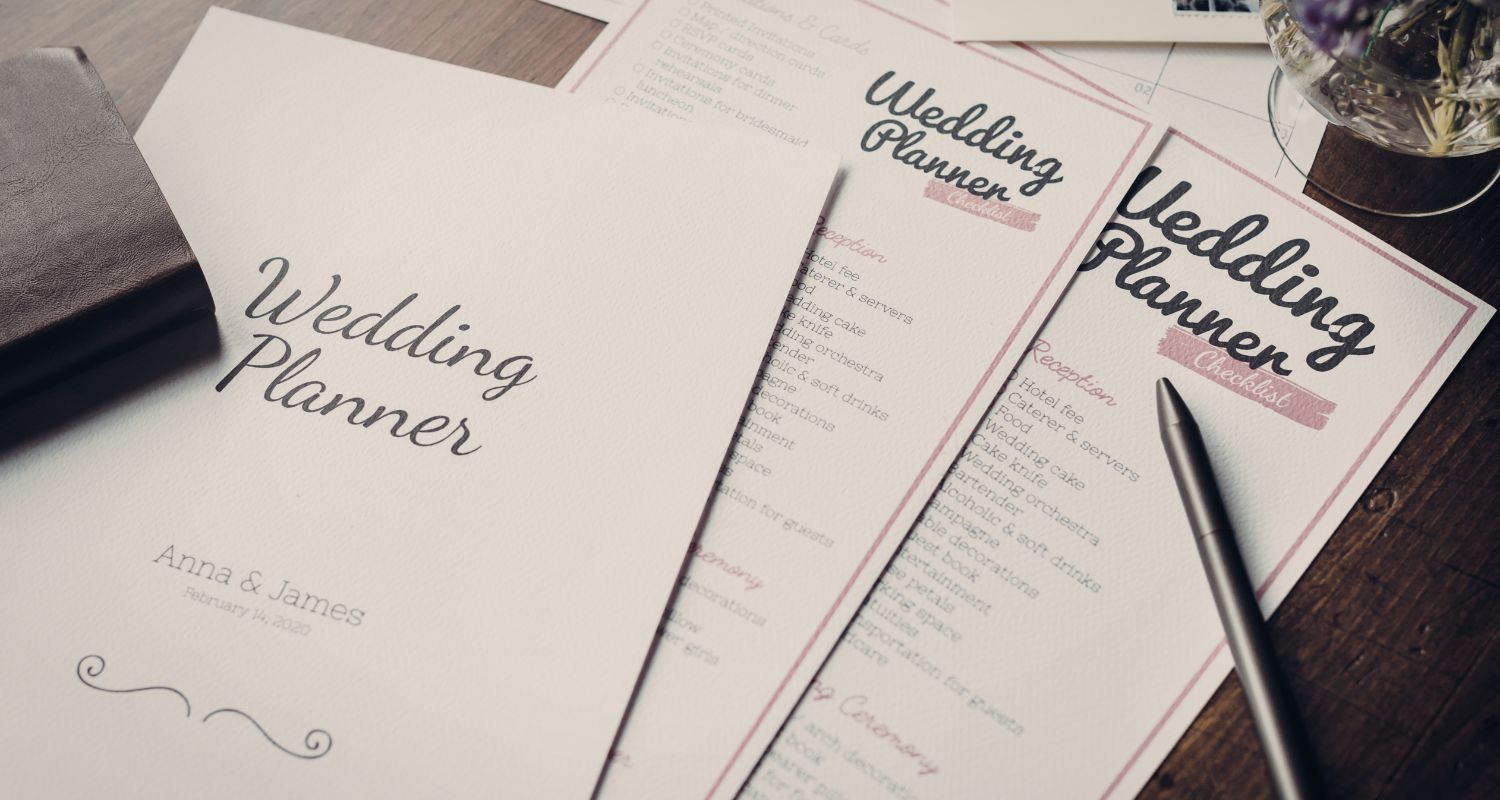
6. Accept That Not Everything Will Be Perfect
Minor issues happen at almost every wedding. Most guests will never notice small imperfections. What matters most is celebrating the marriage and enjoying the moment.
Examples include:
- Small timeline delays
- Weather changes
- Guest cancellations
- Decoration mishaps
7. Learn How to Disagree Well
Disagreements during wedding planning are normal, but how couples handle them matters more than whether they happen at all. When a conflict comes up, start by listening to understand why something matters to your partner before responding. Try not to frame the conversation as winning or losing and remember you are planning something together, not competing over it.
If a discussion becomes heated or overwhelming, take a break. Returning with a clear head often brings better perspective than pushing through in the moment. Most wedding disagreements are not really about the decision on the table. They are about feeling heard and included in the process.

Tips for Staying Mentally Healthy During Wedding Planning
Taking care of mental health is just as important as organizing wedding details. Stress becomes harder to manage when couples are exhausted or overwhelmed.
Helpful stress-management habits include:
- Getting enough sleep
- Staying physically active
- Taking breaks from planning
- Communicating honestly with each other
Small daily habits can make a big difference during busy planning months.
Common Wedding Planning Mistakes to Avoid
Some wedding stress comes from avoidable planning mistakes. Staying organized and keeping realistic expectations can prevent unnecessary frustration.
Common mistakes include:
- Waiting too long to book vendors
- Ignoring the budget
- Trying to please everyone
- Overloading the wedding schedule
Remember that guests are usually focused on celebrating with you, not noticing every small detail.

Frequently Asked Questions
Is it normal to argue during wedding planning?
Yes. Wedding planning can increase stress levels, especially when discussing finances, family expectations, and timelines. Open communication and shared responsibilities can help reduce conflict.
Is it normal to feel sad after the wedding is over?
Yes. Post-wedding blues are a recognized and common experience. After months of planning and anticipation, the sudden shift to ordinary routine can feel disorienting. Having something to look forward to after the wedding like a honeymoon, a home project, or even a small trip can help with that transition. If the feeling persists, talking to a counselor or therapist is a healthy and worthwhile step.
How far in advance should couples start wedding planning?
Most couples begin planning 12-18 months before the wedding date. Popular venues and vendors often book quickly, especially during peak wedding seasons.
What is the most stressful part of wedding planning?
Budgeting, guest lists, and family expectations are some of the most common sources of stress. The experience varies depending on the size and complexity of the wedding.
Can hiring a wedding planner reduce stress?
Yes. Wedding planners and coordinators can help manage timelines, vendors, logistics, and scheduling, which often makes the planning process much smoother for couples.
How can couples avoid burnout during wedding planning?
Couples can avoid burnout by dividing tasks, taking regular breaks, keeping realistic expectations, and asking for help when needed.
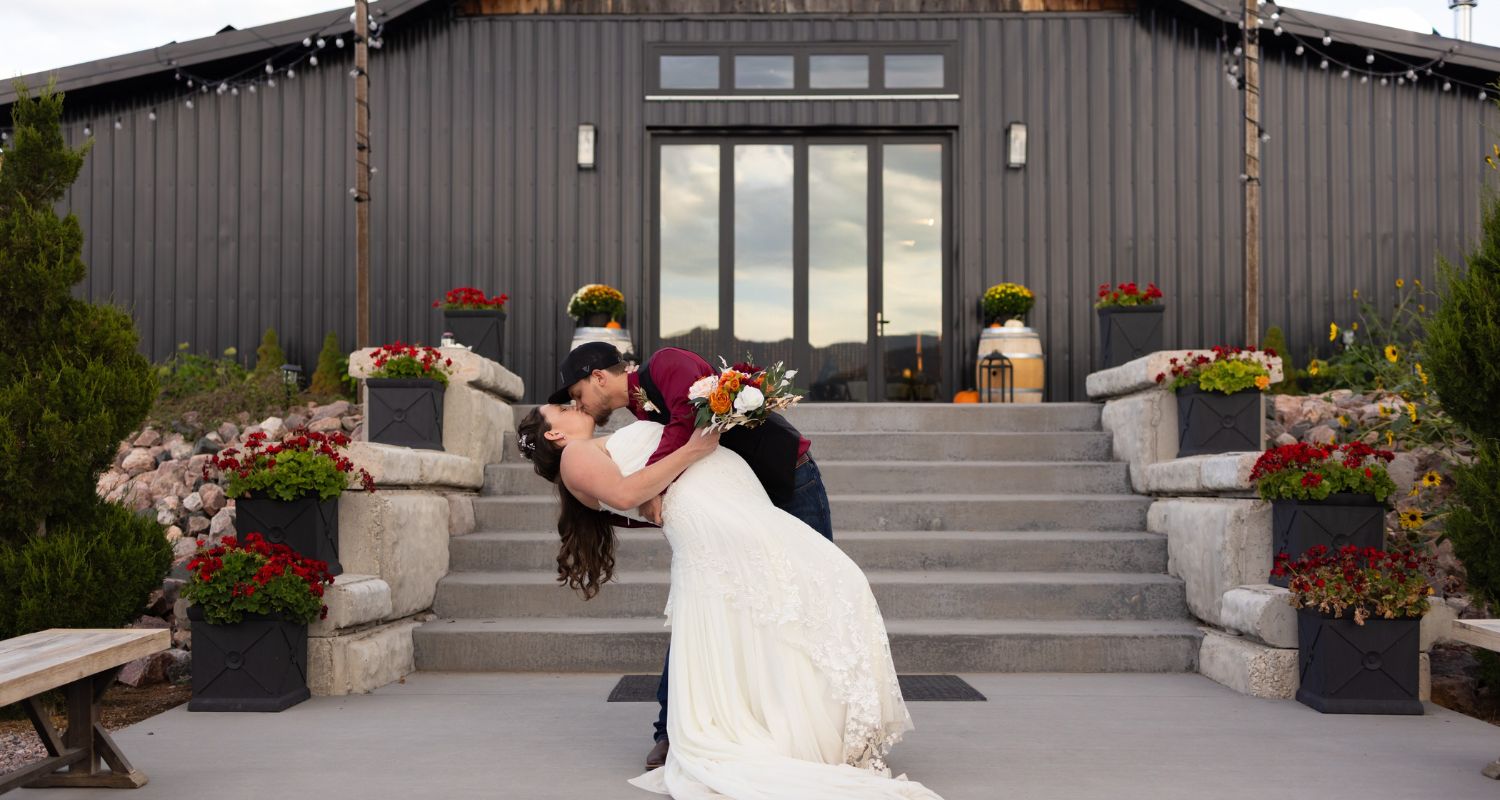
Remember What the Celebration Is Really About
Wedding planning blues are common, especially when couples are balancing emotions, finances, schedules, and expectations all at once. Feeling stressed during the process does not mean the wedding is failing. It simply means there is a lot to manage. The most important thing to remember is that the wedding is only one day, while the marriage lasts much longer.
Need help planning your Northern Colorado wedding? Getting support from a single, experienced team for photography, videography, DJ services, photo booth, or day-of coordination can make planning and executing your wedding much smoother and more effortless.