
Big Wedding or Small Wedding? The Honest Pros & Cons Every Couple Should Know
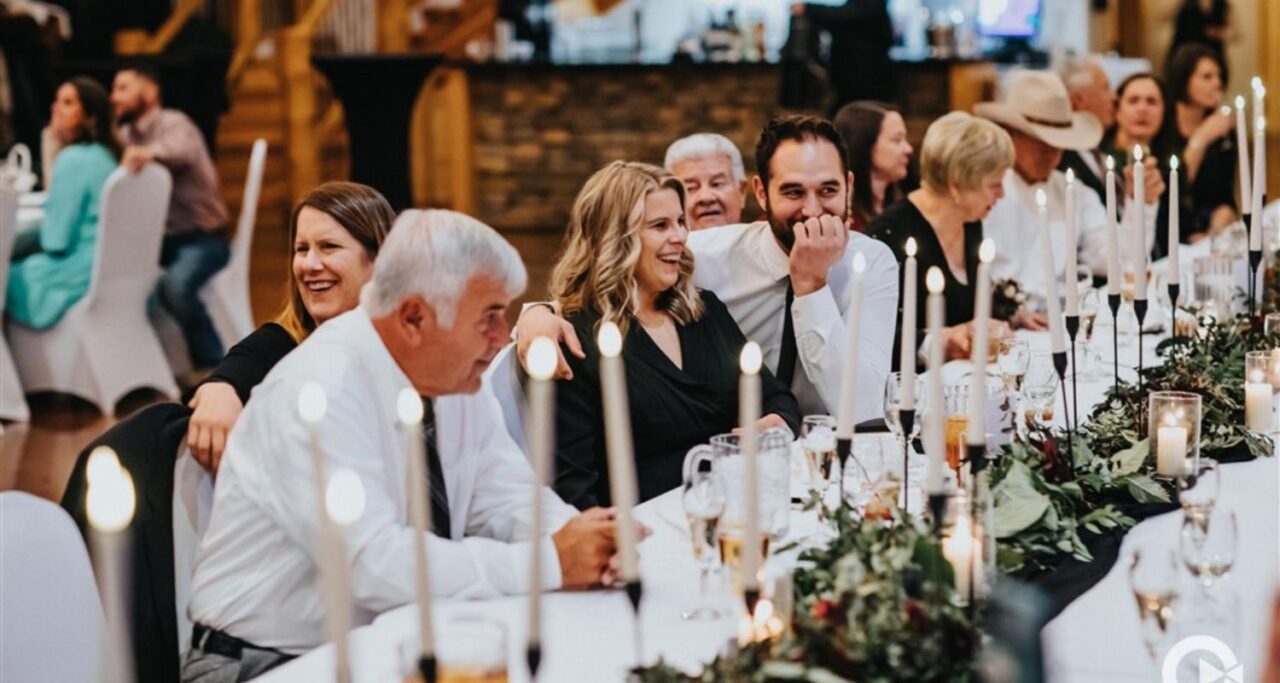
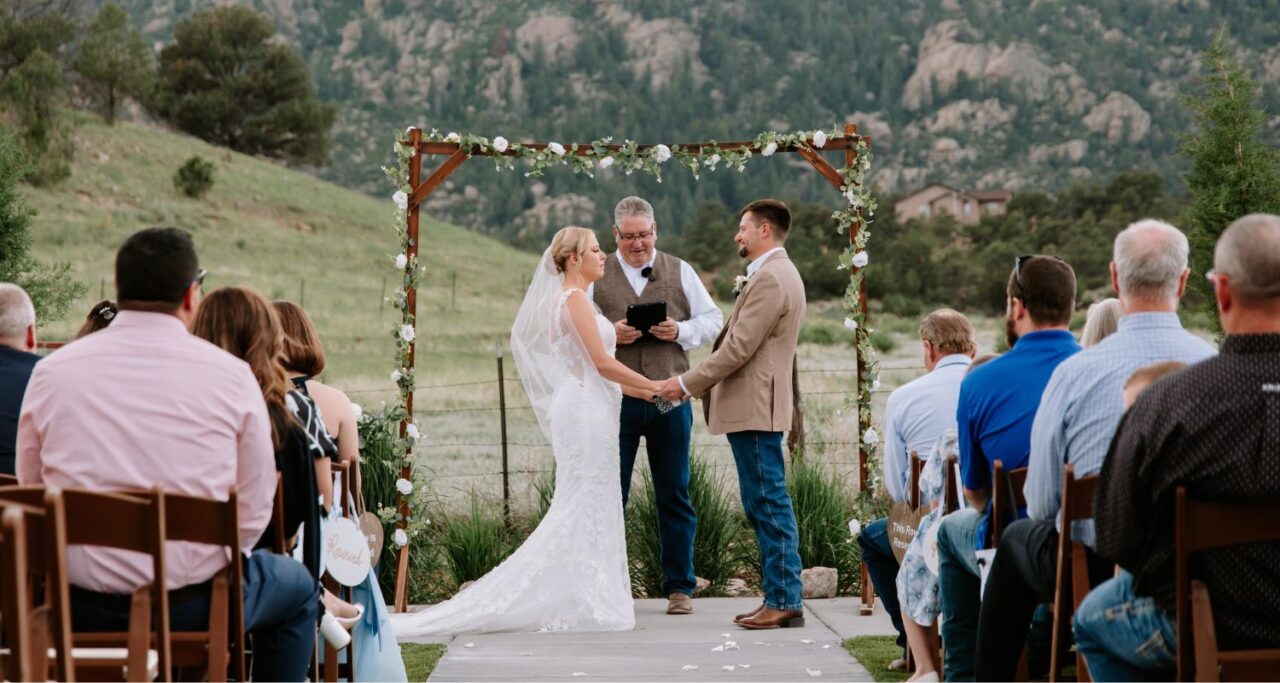
A big wedding typically includes 100 or more guests and creates a large, energetic celebration with family, friends, and extended social circles. A small wedding usually has fewer than 50 guests, offering a more intimate experience, lower costs, and more quality time with loved ones.
Neither option is inherently better. The right choice depends on your budget, priorities, family expectations, and the type of experience you want on your wedding day.
What Is Considered a Big Wedding?
A big wedding generally includes:
- 100 to 300+ guests
- Larger venues
- More extensive catering needs
- Bigger entertainment and production budgets
- Larger wedding parties
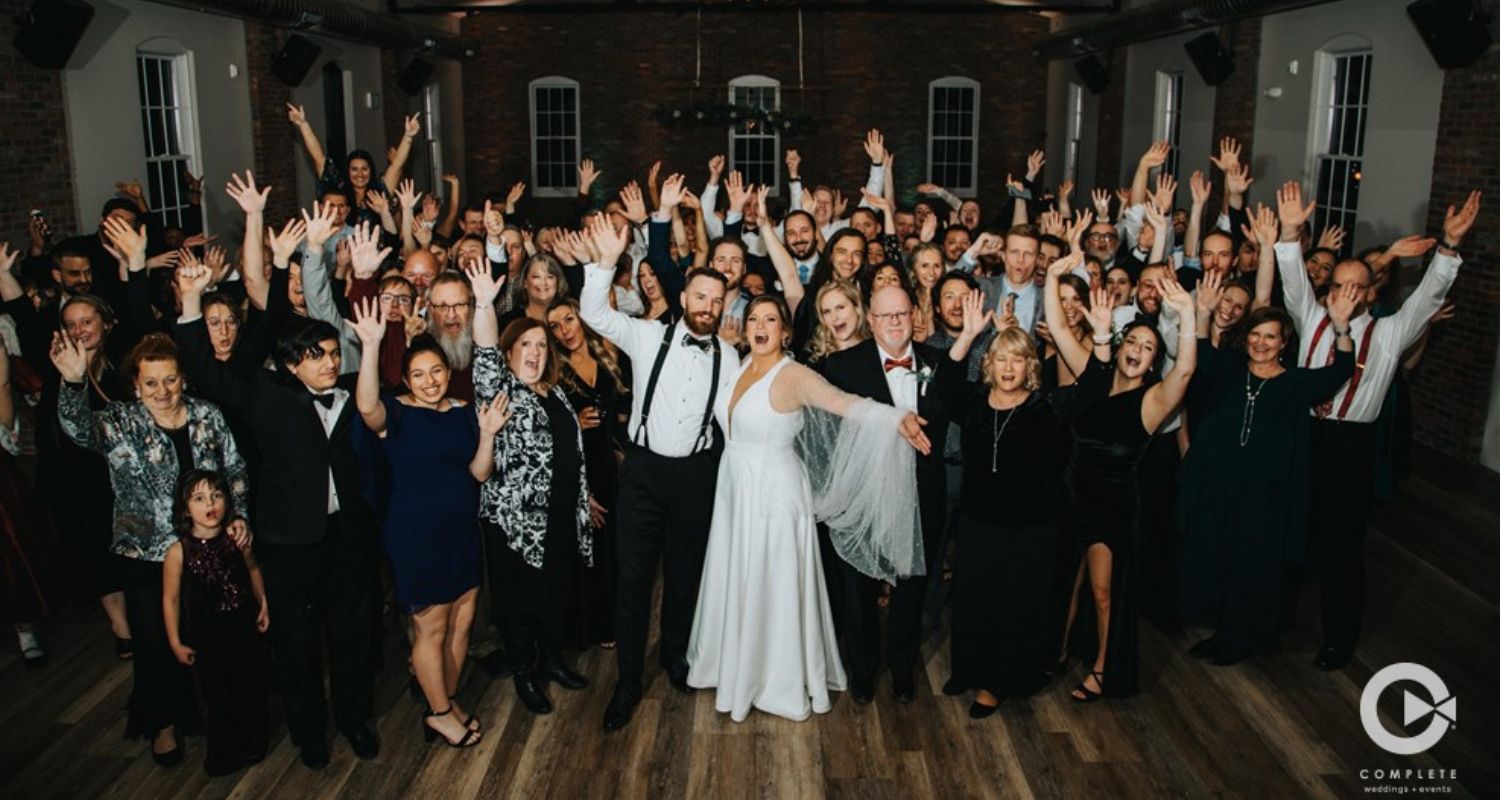
Big weddings often involve extended family, coworkers, family friends, and broader social circles.
Pros of a Big Wedding
1. More Family and Friends Can Attend
You don’t have to make as many difficult guest list cuts.
Benefits include:
- Extended family can celebrate with you
- More friends can be included
- Fewer feelings of exclusion among loved ones.
2. Creates a High-Energy Atmosphere
Large crowds naturally bring excitement.
Many couples enjoy:
- Packed dance floors
- Bigger celebrations
- A lively reception environment
3. Traditional Wedding Experience
Many people envision a classic wedding with:
- A large ceremony
- A full reception
- Numerous guests
- Traditional wedding customs
4. More Opportunities for Networking and Reconnecting
Guests often enjoy:
- Reuniting with relatives
- Meeting new people
- Strengthening family connections
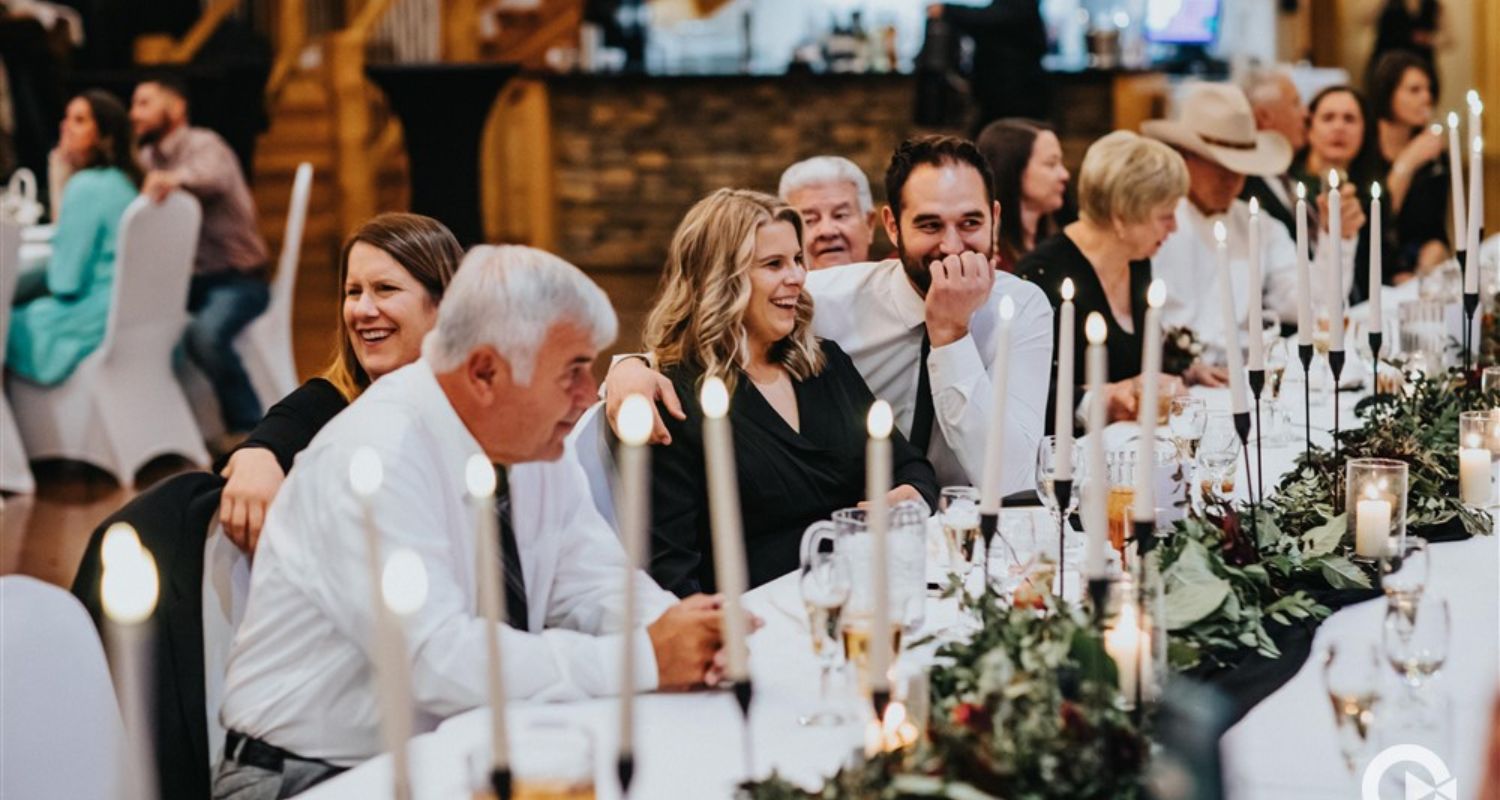
Cons of a Big Wedding
1. Higher Costs
More guests generally mean higher expenses.
Common costs that increase include:
- Catering
- Bar service
- Rentals
- Invitations
- Venue size
- Favors
Since catering is often charged per person, guest count can significantly impact the overall budget.
2. Less Time With Each Guest
With 150+ attendees, it’s difficult to have meaningful conversations with everyone
Many couples find their wedding day passes quickly as they move from table to table greeting guests.
3. More Planning Complexity
Large weddings often require:
- Detailed seating charts
- More vendor coordination
- Larger venues
- Additional logistics
4. More Opinions and Expectations
Larger guest lists often involve:
- Family expectations
- Guest accommodation concerns
- Additional planning pressure
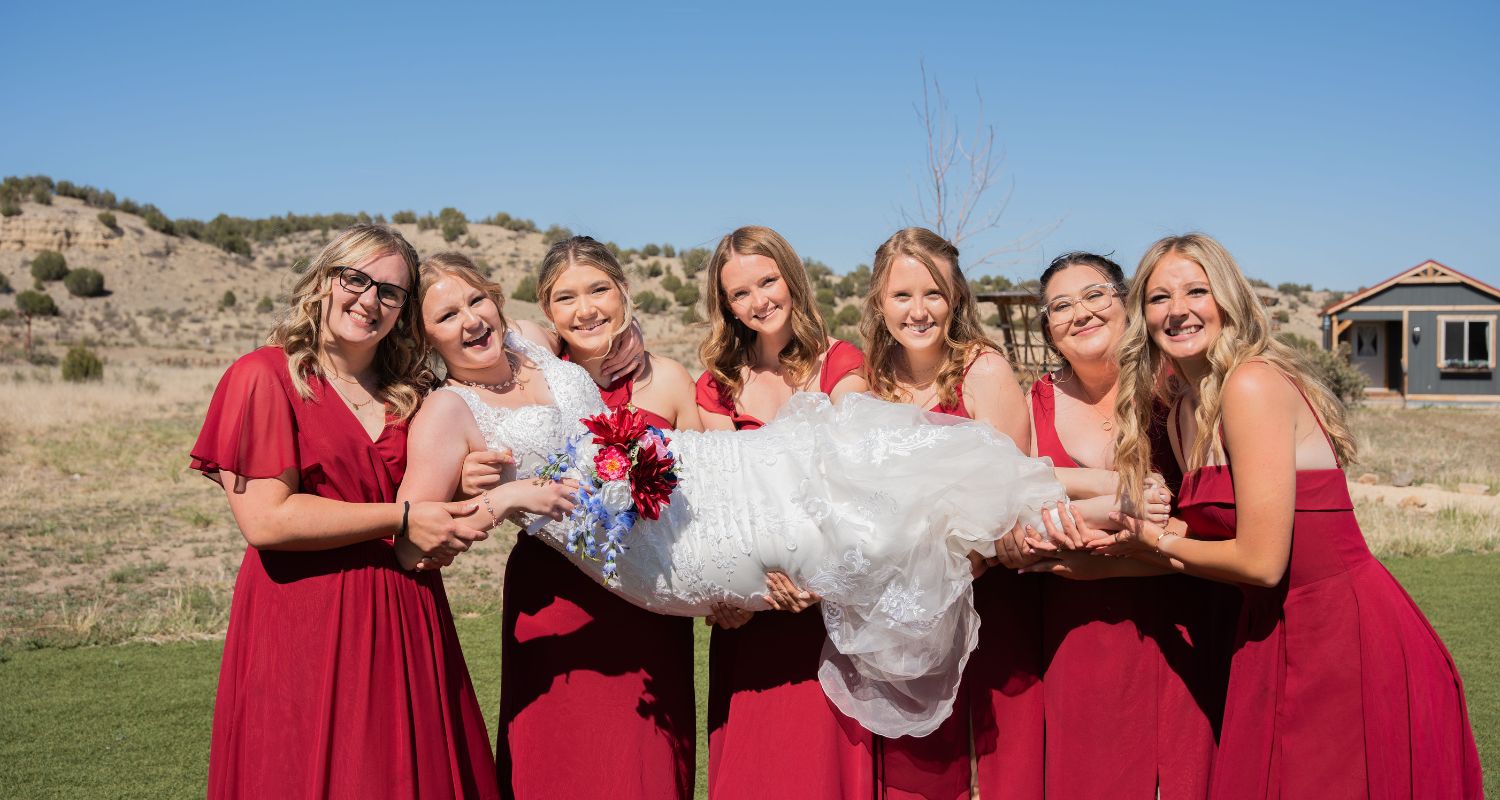
What Is Considered a Small Wedding?
A small wedding typically includes:
- 10 to 50 guests
- Immediate family
- Close relatives
- Best friends
Some couples choose micro weddings with fewer than 20 guests.
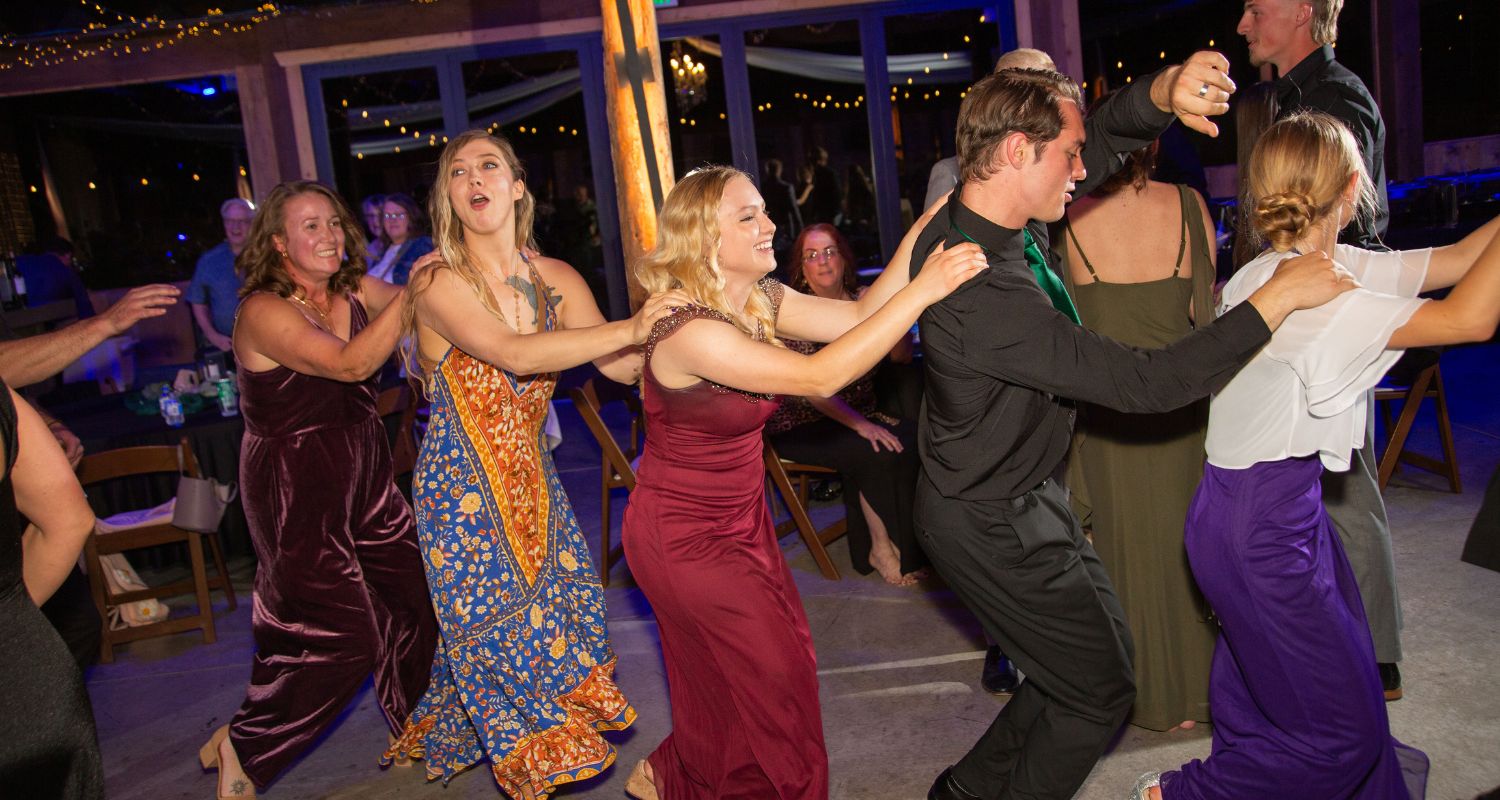
Pros of a Small Wedding
1. Lower Overall Costs
Fewer guests often mean savings on:
- Food and beverages
- Rentals
- Invitations
- Venue costs
Many couples use these savings to:
- Upgrade photography
- Book a dream venue
- Extend their honeymoon
- Enhance guest experiences
- 2. More Quality Time With Guests
Smaller celebrations allow couples to:
- Have longer conversations
- Share meaningful moments
- Spend more time with each attendee
- 3. Easier Planning Process
Smaller weddings often require:
- Fewer logistics
- Simpler seating arrangements
- Less vendor coordination
This can reduce stress.
4. Greater Flexibility
With fewer guests, couples can often choose:
- Unique venues
- Destination weddings
- Private dining experiences
- Non-traditional celebrations
5. More Personalized Experience
Couples can focus on details such as:
- Customized guest gifts
- Special menus
- Personalized seating
- Meaningful experiences
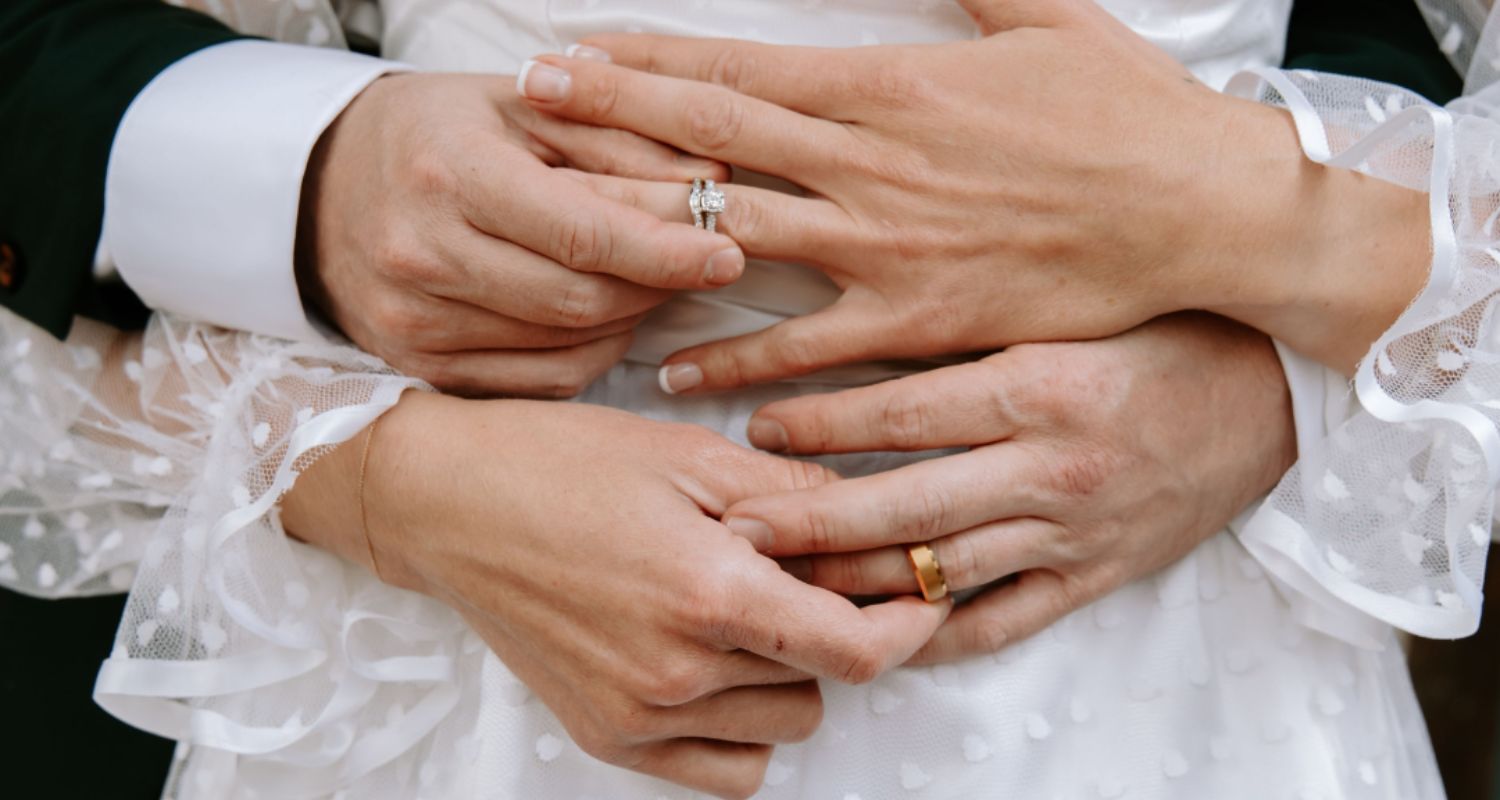
Cons of a Small Wedding
1. Guest List Challenges
One of the biggest difficulties is deciding who makes the cut.
This may involve:
- Excluding coworkers
- Limiting extended family
- Declining plus-ones
2. Less Traditional Feel
Some couples may feel a small wedding lacks:
- A large reception atmosphere
- A crowded dance floor
- Traditional wedding energy
3. Family Pressure
Family members may expect a larger guest list and traditional celebration.
Managing expectations can become a challenge.
4. Fewer Social Opportunities
Smaller weddings naturally have:
- Fewer guests meeting each other
- Less networking
- Smaller social interactions
How to Decide Between a Big Wedding and a Small Wedding
Ask yourself these questions:
1. What Is Your Budget?
Your budget may naturally determine the size of your guest list.
2. Do You Prefer Intimate or Social Gatherings?
Consider:
- Do you enjoy large parties?
- Do you prefer smaller gatherings?
Your answer often points toward the right wedding size.
3. How Important Is Family Inclusion?
If including extended family is a priority, a larger wedding may be a better fit.
4. What Experience Do You Want to Remember?
Think about whether you picture:
- A packed dance floor
- Quiet moments with loved ones
- A grand celebration
- An intimate gathering
5. Where Do You Want to Spend Your Budget?
Would you rather:
- Host more guests?
- Upgrade your venue?
- Invest in photography?
- Extend your honeymoon?
The Best Wedding Is the One That Feels Like You
The choice between a big wedding and a small wedding comes down to your priorities. Big weddings offer energy, tradition, and the chance to celebrate with a larger community. Small weddings provide intimacy, flexibility, and often a more manageable budget.
The best wedding size is the one that reflects your relationship, your values, and the experience you want to share with the people who matter most.
Complete Weddings + Events Northern Colorado, CO | DJs | Photographers | Videographers | Photo Booth Rentals | Coordination
For more wedding inspiration, don’t forget to check our blog page. If you are ready to start planning and discussing ideas, contact us today to kickstart your wedding planning with our photography, videography, DJ, photo booth, and coordination services in Northern Colorado and surrounding areas.