How Many Hours Do I Need a Photographer or Videographer for My Wedding?
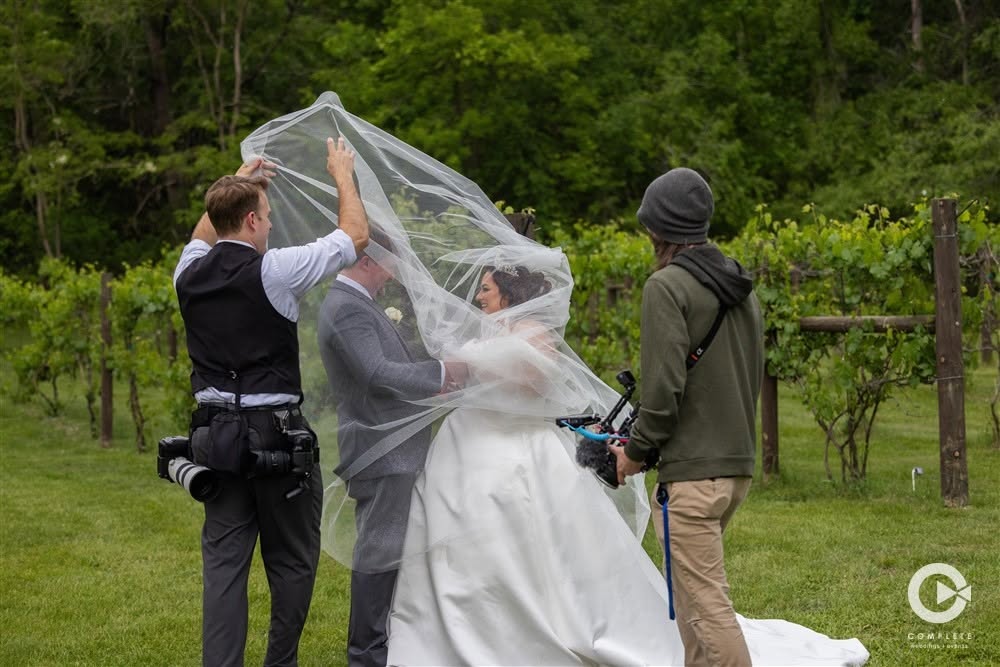
One of the most common questions couples ask is: How many hours of wedding photography or videography do we actually need?
For most weddings, eight hours of coverage is the sweet spot. It usually gives your photographer or videographer enough time to capture the final getting-ready moments, ceremony, portraits, reception entrances, speeches, special dances, and part of the open dance floor.
However, every wedding is different. Your ideal coverage depends on your timeline, locations, traditions, and the moments you want preserved.
At Complete Weddings + Events, our photography, videography, DJ, lighting, and coordination teams work together to help couples create a wedding-day timeline that feels comfortable rather than rushed.
Quick Guide to Wedding Coverage
| Coverage | Best for | Typically captures |
| 4 hours | Elopements and intimate weddings | Ceremony, portraits, and limited reception coverage |
| 6 hours | Smaller, simple weddings | Final preparations, ceremony, portraits, and early reception events |
| 8 hours | Most traditional weddings | Getting ready through special dances and open dancing |
| 10 hours | Full wedding-day storytelling | More preparations, details, reception coverage, and possibly a grand exit |
| 12 hours | Long or complex celebrations | Nearly the entire day, multiple locations, and late-night events |
Is Four Hours Enough?
Four hours can work well for an elopement, micro wedding, or ceremony-focused celebration. It may be enough time to capture:
- The ceremony
- Family and wedding-party portraits
- Couple portraits
- Reception entrances
- A few important reception moments
The challenge is that four hours leaves little room for delays. If hair and makeup run late, travel takes longer than expected, or family portraits require more time, something may need to be shortened or skipped.
Four-hour coverage is best when the ceremony and reception happen at the same location and you have a small wedding party and guest list.
What Can Six Hours Cover?
Six hours is a good fit for couples with a simple timeline who do not need extensive getting-ready or late-night reception coverage.
A six-hour package may include:
- Final getting-ready moments
- A first look
- The ceremony
- Family and wedding-party portraits
- Couple portraits
- Reception entrances
- Dinner or early reception events
You may need to choose between getting-ready photos and dancing coverage. An experienced coordinator can structure the timeline so your photographer and videographer are present for the moments that matter most.
Why Eight Hours Works for Most Weddings
Eight hours is the most versatile option for a traditional wedding. It gives your creative team enough time to document the story of the day without squeezing every important moment into a tight schedule.
Eight hours may cover:
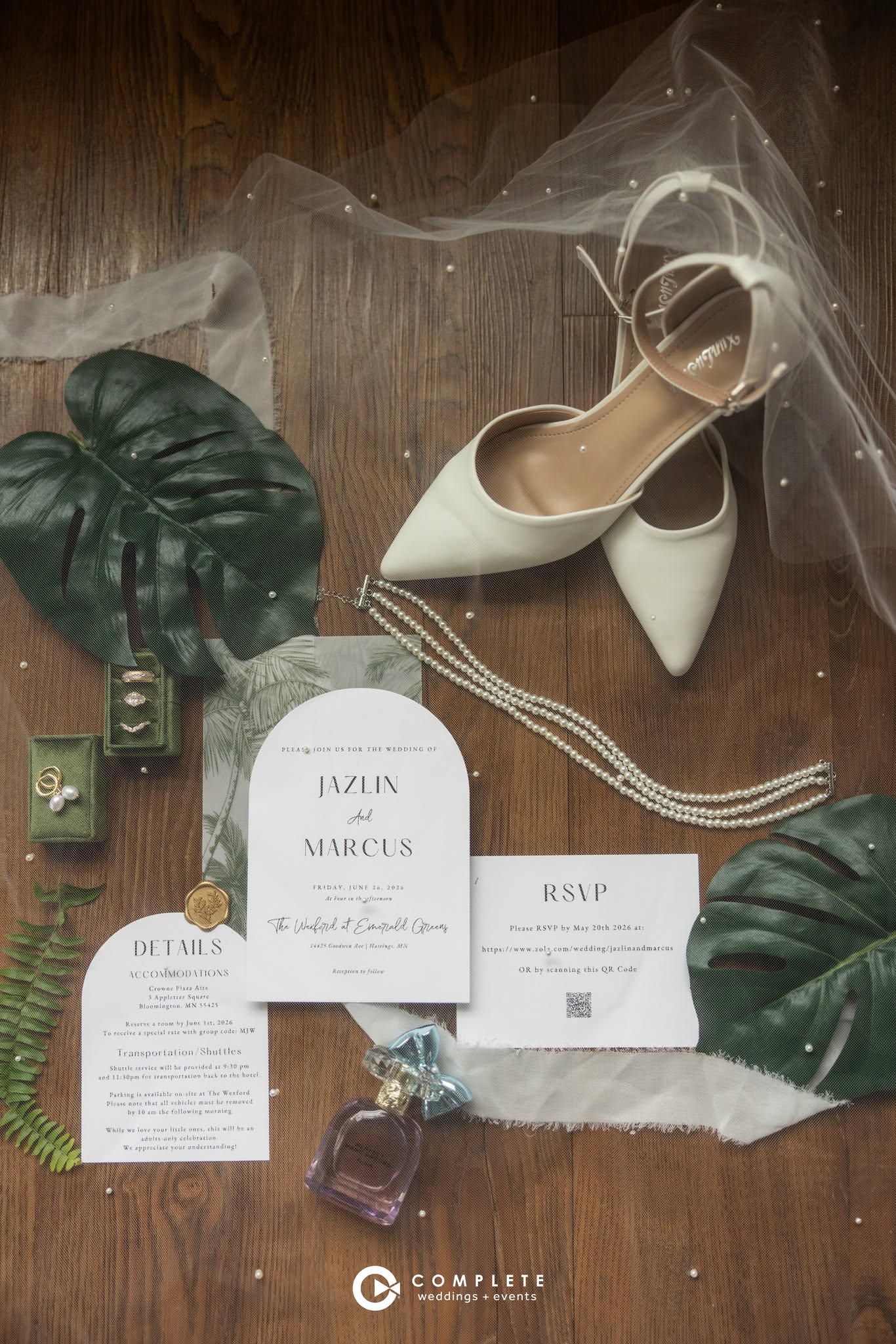
- Wedding details
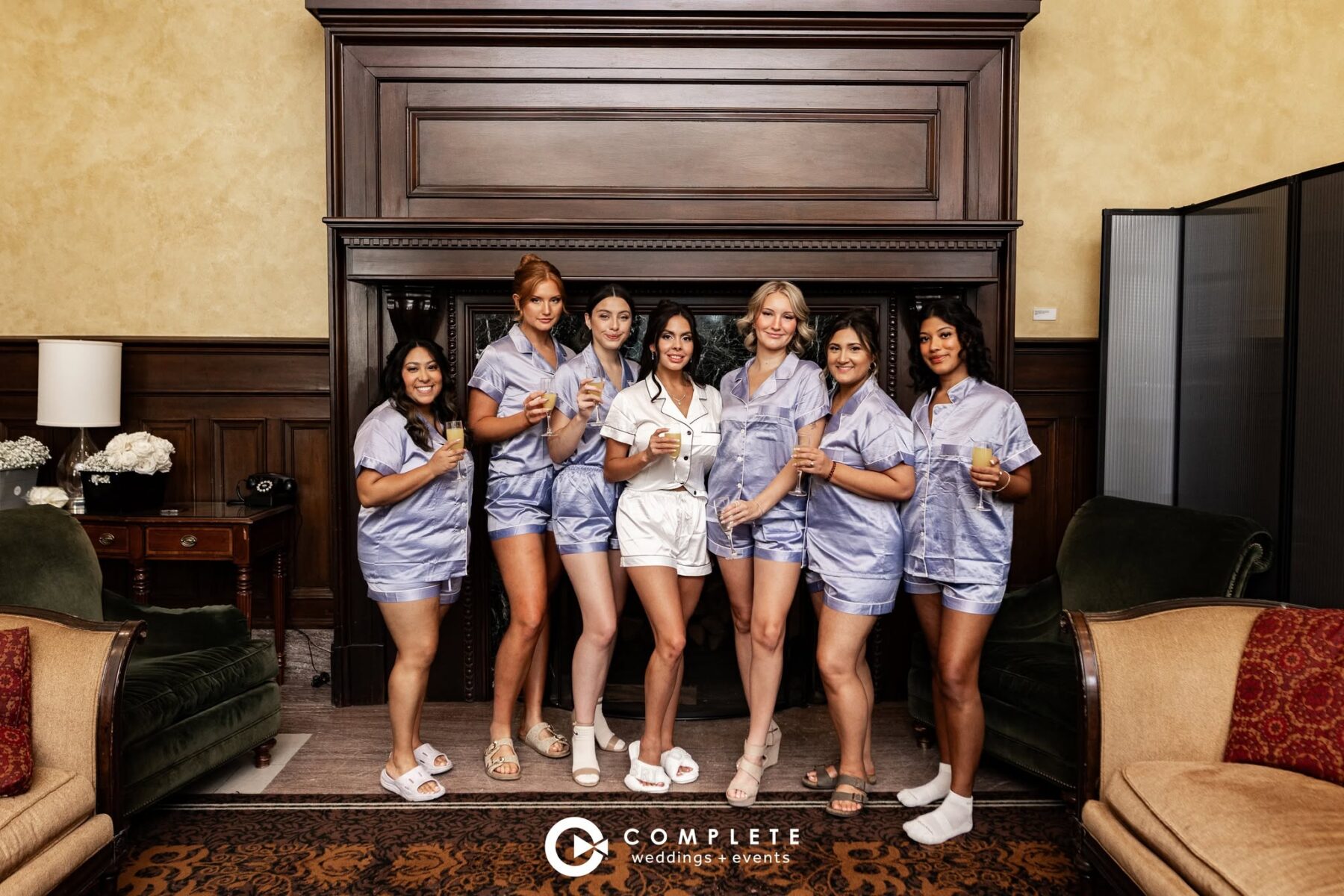
- Final getting-ready moments
- First looks
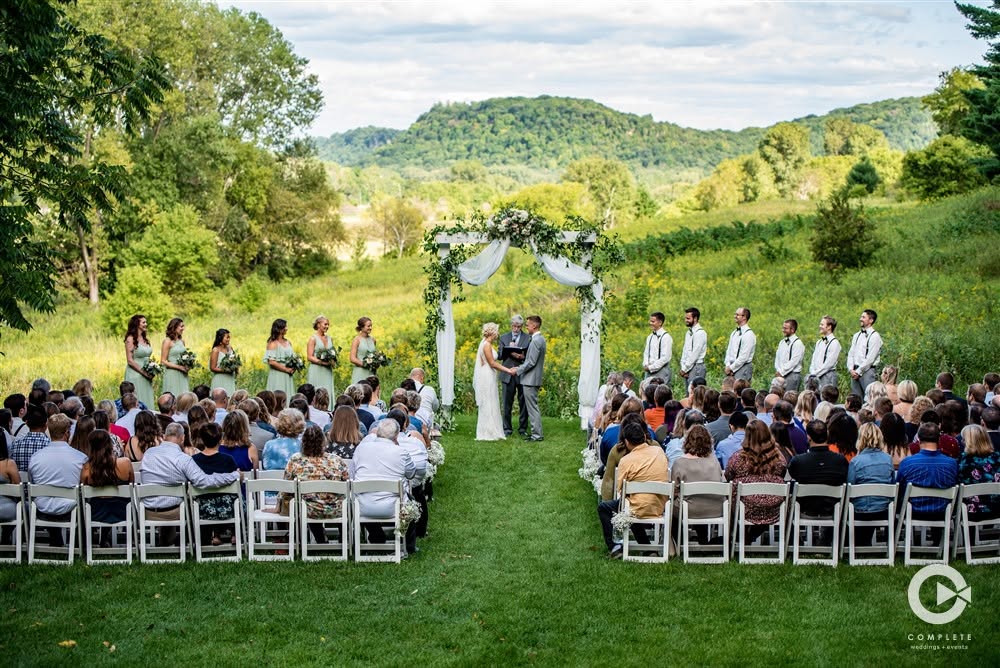
- Ceremony
- Family photos
- Wedding-party portraits
- Couple portraits
- Cocktail hour
- Grand entrance
- Dinner
- Speeches
- Cake cutting
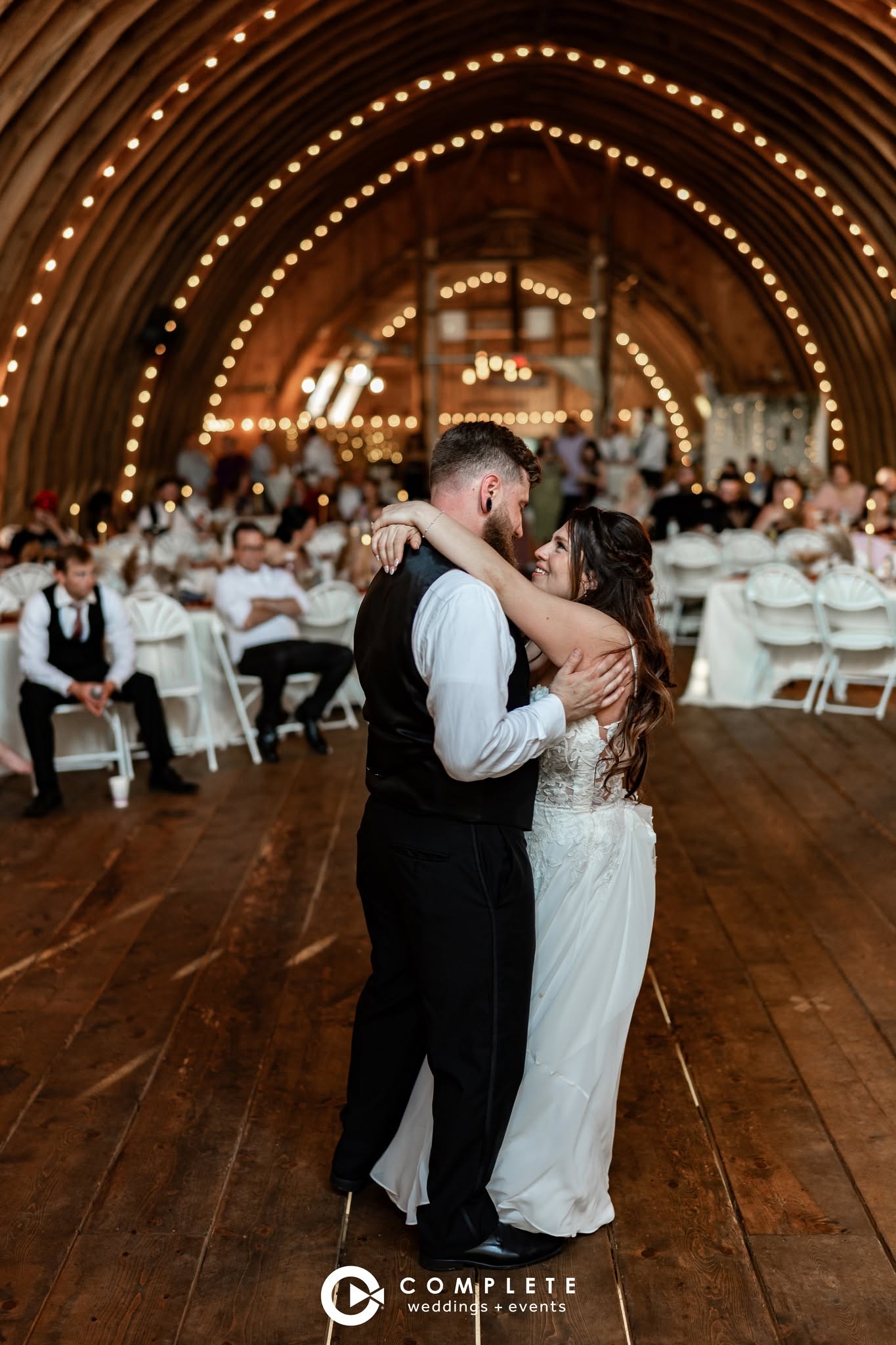
- First dance and parent dances
- Open dancing
Eight-hour coverage does not always include the entire morning or final reception exit. However, it usually captures enough of each part of the day to create a complete photo gallery and wedding film.
With Complete Weddings + Events, your photographer, videographer, DJ, and coordinator can align the timeline so introductions, speeches, dances, and other reception events happen while your coverage team is still present.
When Should You Choose 10 Hours?
Consider 10 hours of coverage when you want a fuller story of your wedding day or have a more complicated schedule.
Ten hours may be a good choice when:
- You want both partners’ getting-ready moments captured.
- Your ceremony and reception are at different locations.
- You have a large wedding party or family photo list.
- You are planning a longer religious or cultural ceremony.
- You want sunset portraits without missing reception events.
- You want extended dance-floor coverage.
- You are planning a private last dance or grand exit.
The extra time creates flexibility. If something runs behind schedule, your photographer and videographer are less likely to miss an important moment.
Do You Need 12 Hours of Coverage?
Twelve hours is ideal for large, elaborate, or multi-location weddings. It may also be appropriate for cultural celebrations with several ceremonies, outfit changes, or extended traditions.
This level of coverage can document everything from early preparations through a late-night exit. It also gives your photographer and videographer more room to capture venue details before guests arrive, candid interactions throughout the day, and the complete evolution of the reception.
Twelve hours is not necessary for every couple, but it can be valuable when telling the full story is a top priority.
Should Photography and Videography Have the Same Coverage?
In many cases, booking the same number of hours for photography and videography is the simplest choice. Both teams will be present for the major moments, and your final gallery and film will tell a consistent story.
However, the hours do not always need to match.
You might book more photography coverage if you want extensive details, family portraits, and formal photos. You might prioritize more video coverage if you want complete ceremony footage, full speeches, private vows, or a late-night exit preserved with sound and motion.
Before choosing different coverage times, decide which moments each team needs to capture. Your photographer and videographer should also have enough time to work without competing for the same shots.
What Factors Affect the Number of Hours You Need?
Your number of locations
Travel between a hotel, ceremony site, portrait location, and reception venue uses valuable coverage time. Additional hours may be worthwhile when events happen in several places.
Whether you are having a first look
A first look can make the timeline more efficient because many portraits can happen before the ceremony. Without one, family, wedding-party, and couple portraits usually take place during cocktail hour.
If you are hoping to skip the first look, read how to have the perfect timeline: HERE!
The size of your wedding party and family
Larger groups generally need more time for formal portraits. A detailed photo list and organized coordination help keep everyone moving.
Your ceremony length
A short civil ceremony may take 20 minutes, while religious and cultural ceremonies can last an hour or longer. Build the actual ceremony length into your coverage calculation.
Your reception schedule
Your DJ and coordinator can help schedule entrances, speeches, cake cutting, and special dances before photography and videography coverage ends. Professional lighting also helps create a beautiful atmosphere for evening photos and video.
The season
Winter sunsets happen early, while summer offers more evening light. Your timeline may need to be structured around sunset if outdoor portraits are important to you.
Questions to Ask Before Choosing Your Hours
Before selecting a photography or videography package, ask:
- Which moments are most important to us?
- Do we want getting-ready coverage?
- Are we doing a first look?
- How many locations are involved?
- Do we want sunset portraits?
- Do we want speeches and special dances captured?
- Is a grand exit important?
- How much flexibility do we want if the schedule runs late?
- Can additional hours be added later?
- What is the overtime rate?
How Many Hours Should You Book?
For most couples, eight hours of photography and videography is a strong starting point. Choose six hours for a smaller, streamlined celebration and 10 or more hours for a longer day, multiple locations, or complete storytelling.
Your timeline should guide your coverage decision – not the other way around. With Complete Weddings + Events, photography, videography, DJ, lighting, and coordination can work together to keep the day flowing smoothly and make sure the moments you care about are captured.
The right amount of coverage gives you more than photos and video. It gives you the freedom to enjoy your wedding without constantly watching the clock.