
What Time Do Weddings Usually Start?
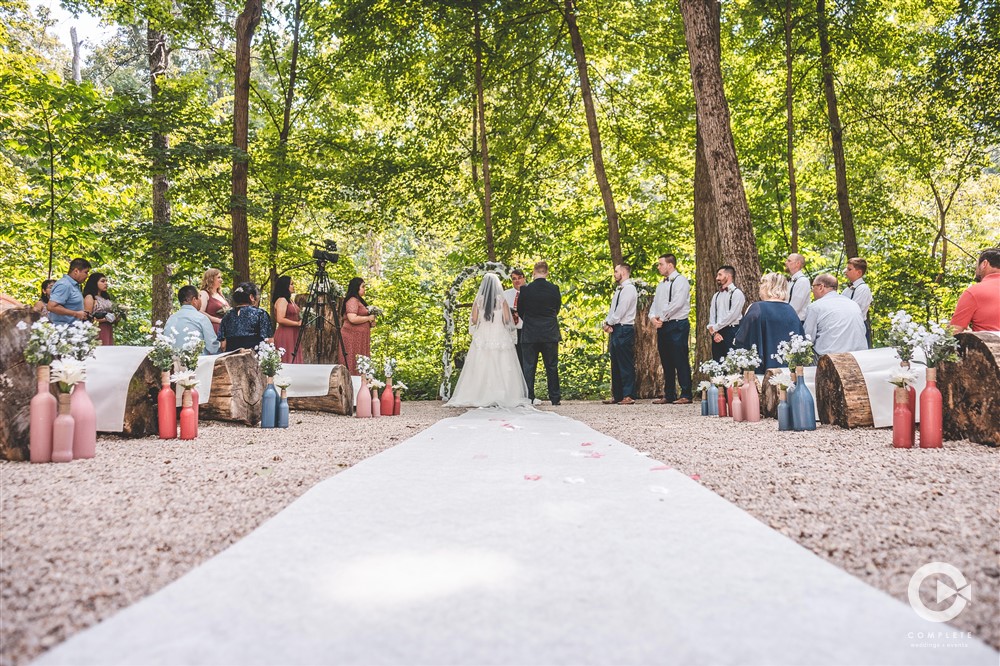
Is there a “right” time to start your wedding? Not exactly. But the time you choose shapes the entire flow of your day. One of the first decisions you’ll make when planning your wedding is deciding the ceremony start time. This choice sets the tone for the entire day and affects everything from guest experience to photography. At Complete Weddings + Events in Seattle, we’ve coordinated ceremonies, photographed first dances, and DJ’d receptions across every start time on the clock.
Traditional Timing
Weddings have traditionally started in the late afternoon, around 3 PM or 4 PM. This timing allows for a ceremony followed by a cocktail hour and an evening reception. Many couples prefer this schedule because it creates a smooth transition throughout the day, giving guests time to prepare in the morning and enjoy the celebration into the night.
Considering the Reception
The ceremony start time is closely tied to the reception plans. For a dinner reception, a later ceremony start, such as 5 PM or 6 PM, is suitable. For a brunch or lunch reception, a morning ceremony, around 10 AM or 11 AM, might be ideal. Adjusting the ceremony start time based on the reception ensures that the event feels cohesive and enjoyable for everyone.
How Your Start Time Affects Your Vendors
The ceremony time you choose ripples through every vendor booking on your list. Here’s what actually changes:
Photography: Golden-hour shots, the warm, glowy portraits everyone wants, happen roughly 60-90 minutes before sunset. Seattle sunsets range from around 4:30 PM in December to 9 PM in June. A 4 PM June ceremony gives you that light naturally; a December afternoon ceremony means your photographer is shooting portraits in the dark. Our Seattle wedding photographers plan around sunset timing when building your shot list.
DJ timeline: An evening reception that starts at 7 PM typically runs until midnight, giving your DJ five hours to work through dinner background music, toasts, first dances, and the full dance floor set. An earlier ceremony with an afternoon reception compresses that window. Talk through your ideal energy arc, slow start, big finish, or dancing from hour one, with your DJ before locking in a timeline. See our DJ services.
Day-of coordination: The earlier your ceremony, the more coordination a complex wedding actually needs. A 10 AM ceremony means vendor load-ins start at 7 AM. If you’re managing that yourself while getting your hair done, something will slip. Our Seattle coordination team handles vendor logistics from arrival to send-off.
Seasonal Considerations
Seasonal changes influence wedding start times, especially for outdoor ceremonies. Longer daylight hours in summer allow for later ceremonies, while shorter days in winter make earlier start times more practical. Understanding the season’s impact ensures there is enough natural light for the ceremony and photographs.
Guest Convenience
Consider your guests’ convenience. If many are traveling from out of town, a later start might be more accommodating. For local guests, any time of day can work, depending on the overall style and theme of your wedding.
Venue Availability
Venue availability can also influence your start time. Popular venues might have multiple bookings in a day, especially during peak wedding season, which could dictate your ceremony time.
Do Weddings Usually Start on Time?
Weddings often face slight delays, with ceremonies starting five to fifteen minutes later than scheduled. Common causes of delays include late arrivals by guests or the wedding party, unexpected weather conditions, or minor schedule adjustments. Building a buffer into the timeline helps ensure the ceremony stays as close to the planned time as possible.
Tips for Starting on Time
Weddings rarely run perfectly to the minute, but a little planning goes a long way toward keeping your ceremony close to schedule. Thinking about punctuality early and building buffer time into your timeline helps you avoid stress and last‑minute scrambling. Clear communication with your wedding party, vendors, and guests makes it much more likely that everyone is where they need to be when the processional music starts.
Here are practical tips to help your ceremony start on time:
- Share a detailed timeline
Make sure your wedding party and key family members have a simple, clearly written schedule with call times for hair/makeup, photos, transportation, and line‑up. - Set “internal” times that are earlier than what guests see
If your invitation says 4:00 PM, plan to have the wedding party ready and lined up by 3:45 PM so you have a built‑in buffer. - Communicate expectations with vendors
Confirm arrival times, setup needs, and ceremony cues with your photographer, DJ, coordinator, officiant, and venue staff, and ask them to arrive early enough to handle any surprises. - Plan extra time for travel and parking
Add 10–20 minutes of cushion for traffic, garage parking, or shuttles, especially in busy Seattle neighborhoods or at hard‑to‑access venues. - Keep hair and makeup realistic
Work with your beauty team to create a schedule that fits the number of people getting services, and avoid adding last‑minute appointments that push everything back. - Assign a point person (or coordinator)
Have a day‑of coordinator or trusted friend who is responsible for keeping the timeline on track, rounding up the wedding party, and handling questions so you are not pulled in every direction. - Send friendly reminders to guests
Include clear start‑time language on your invitations and wedding website, and consider a reminder email or message for out‑of‑town guests so they know when to arrive and where to park. - Expect a small buffer and don’t panic
Aim for on‑time, but accept that a 5–10 minute delay is common. If you have extra time built into your schedule, a slight shift will not throw off the rest of the day.
What is the Best Start Time for a Wedding?
There’s no one-size-fits-all answer to the best start time for a wedding. It depends on personal preferences, the nature of the event, and practical considerations. What’s important is choosing a time that reflects the style of your wedding and ensures you and your guests have a wonderful experience.
Complete Weddings + Events Seattle
Whatever start time you land on, the rest of the day flows from that choice. Our Seattle team covers photography, videography, DJ, photo booth, and day-of coordination, and they’ve worked together long enough to build a timeline that actually holds.
For wedding ideas and inspiration, visit our blog.