
How to Use AI to Plan Your Wedding
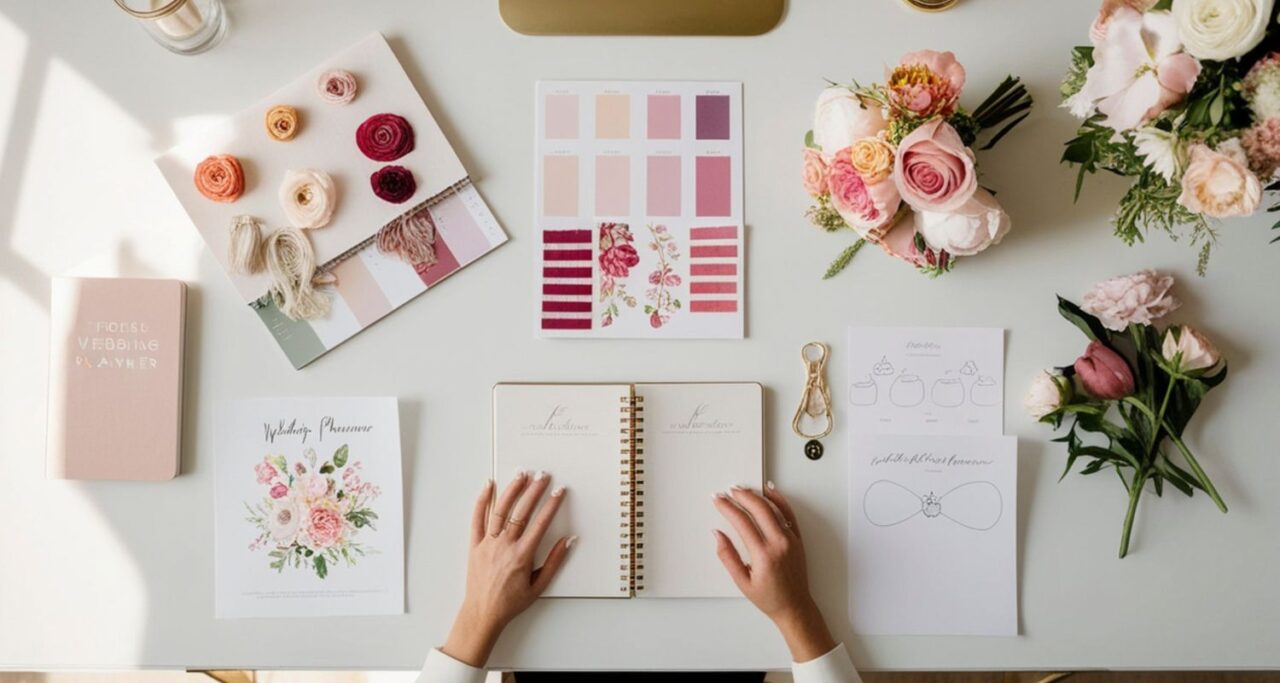
AI can help you plan your wedding by organizing timelines, estimating budgets, comparing vendors, drafting communications, and generating design ideas in minutes instead of hours. It works best during the research and organization stages, saving couples significant planning time while keeping final decisions personal. AI does not replace vendors or planners, it streamlines the process so you can focus on meaningful choices.
Most couples begin planning 9–12 months before their wedding date, and AI is most useful from day one.
What Is AI in Wedding Planning?
Instead of doing everything manually, people can use AI tools to get ideas, suggestions, or even create content quickly.
When it comes to wedding planning, AI can help couples and planners save time and stay organized. By simply typing a question or request, AI tools can provide recommendations, generate ideas, and assist with different planning tasks. Some common ways AI is used in wedding planning include:
- Platforms for tracking budgets with predictive insights
- Tools for generating design ideas and mood boards
- Automated schedulers and checklist organizers
AI works by processing patterns from large datasets. It does not “know” your wedding personally — it organizes information based on input.
Where AI Delivers the Most Value
AI is strongest in areas that require:
- Repetitive workflows
- Objective comparisons
- Drafting written content
- Generating creative ideas
It is weakest in areas that require:
- On-the-spot coordination
- Negotiating with vendors
- Problem-solving in real time
- Managing vendor relationships personally
Understanding this balance helps you use AI strategically instead of expecting full automation.

How to Use AI to Plan Your Wedding (Complete Framework)
Step 1: Build a Long-Term Planning Roadmap
Most engagements last between 12–18 months, but many couples plan within 9–12 months.
Ask AI to generate:
- Condensed 9-month or accelerated 6-month timelines
- Key vendor booking deadlines
- Monthly budget checkpoints
Example booking timelines:
- Photographer/Videographer: 8–12 months in advance
- Entertainment: 6–10 months ahead
- Florist: 4–8 months ahead
- Hair & Makeup: 3–6 months ahead
- Invitations: 3–4 months ahead
AI can also create:
- Collaborative task lists for partners
- Budget trackers similar to Google Sheets
- Payment reminders and schedules
Structured planning reduces last-minute stress.
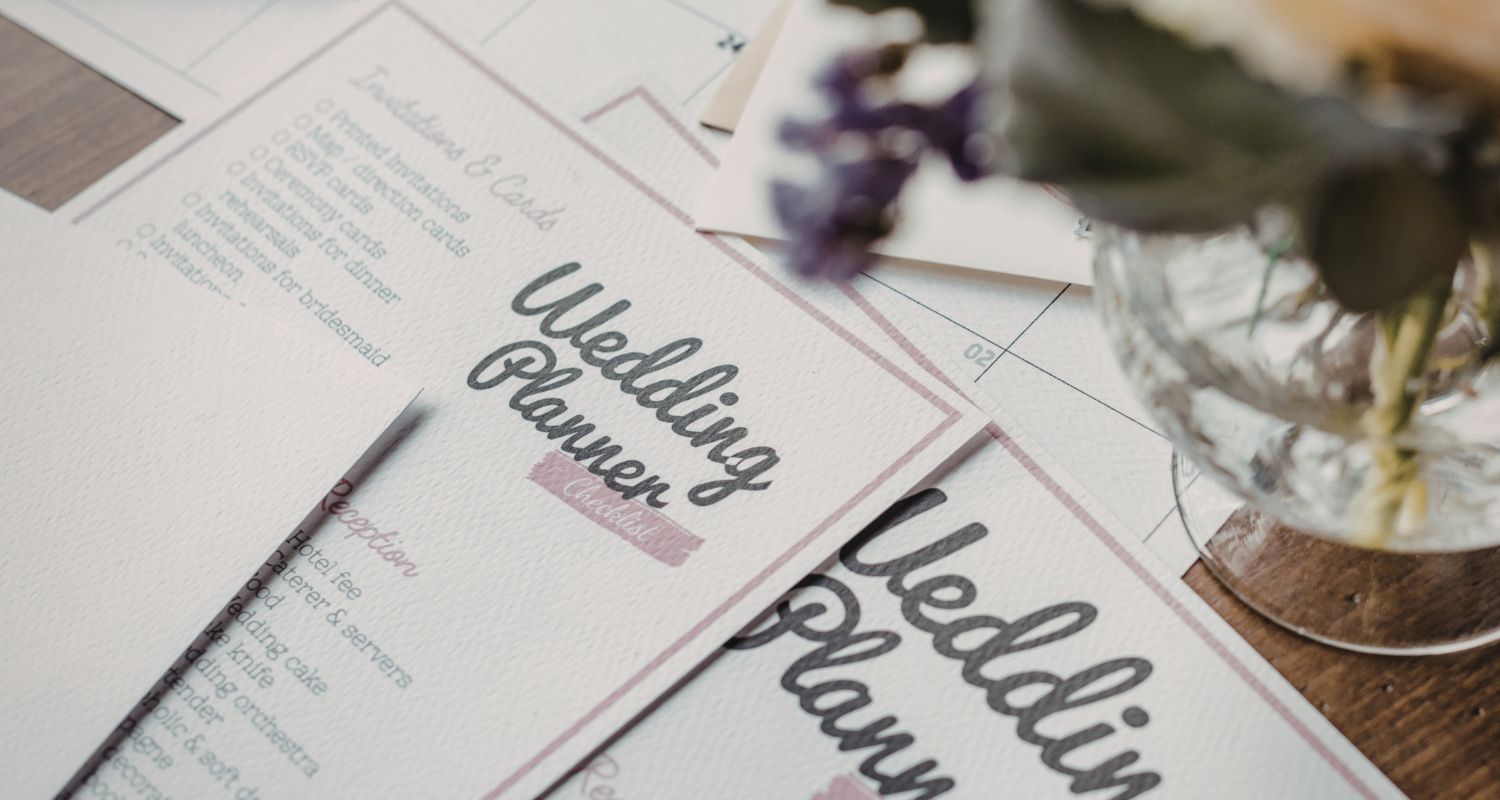
What couples often do is start by asking AI to build a simple month-by-month timeline based on their wedding date. From there, they follow the suggested booking windows. Locking in big vendors like photographers first, then moving down the list while keeping track of payments and tasks along the way.
Step 2: Create a Data-Driven Budget Strategy
The national average U.S. wedding cost is approximately $25,000–$35,000, depending on guest count and region.
AI can help you:
- Calculate total budget based on number of guests
- Allocate funds across vendor categories
- Explore cost-effective alternatives
Typical allocation model:
- Photography & Videography: 10–15%
- Entertainment: 8–12%
- Attire: 5–10%
- Florals & Décor: 10–15%
- Miscellaneous/Buffer: 5–10%
For example:
If you plan for 120 guests at $85 per guest for catering, AI can calculate total catering estimates instantly.
AI also helps:
- Suggest where to scale back
- Simulate different guest counts
- Forecast total vendor payments by month
Couples frequently use AI to determine how much they should spend in each area by entering their guest numbers and their budget. They may make quick decisions by looking at the data, such as whether to reduce the number of guests, change the amount spent on décor, or reallocate more funds to the vendors that are most important to them.

Step 3: Streamline Vendor Research
Vendor research is one of the most time-consuming parts of wedding planning.
AI can:
- Summarize vendor reviews
- Compare package inclusions
- Break down contract terminology
- Draft inquiry emails
Example vendor comparison checklist:
- Backup equipment availability
- Insurance coverage
- Setup and teardown timelines
- Overtime fees
- Cancellation policy
AI can also help you prepare structured interview notes so you compare vendors objectively instead of emotionally.
However, always verify:
- Licensing
- Insurance
- Final pricing
AI supports research but does not replace due diligence. Before contacting vendors, couples ask AI to generate a basic comparison checklist. In order to make it easier to understand variations between packages, price, and policies without depending just on first impressions, they enter information into the list as responses are received.

Step 4: Use AI for Design & Aesthetic Planning
Creative fatigue is common during wedding planning.
AI can generate:
- Theme and décor concepts based on venue type
- Lighting and ambiance recommendations
- Ceremony backdrop and reception layout ideas
- Creative cocktail or menu suggestions
Provide specific inputs such as:
- Guest count
- Formality level (casual or elegant)
- Cultural considerations
- Budget range
The more detailed the prompt, the better the output.
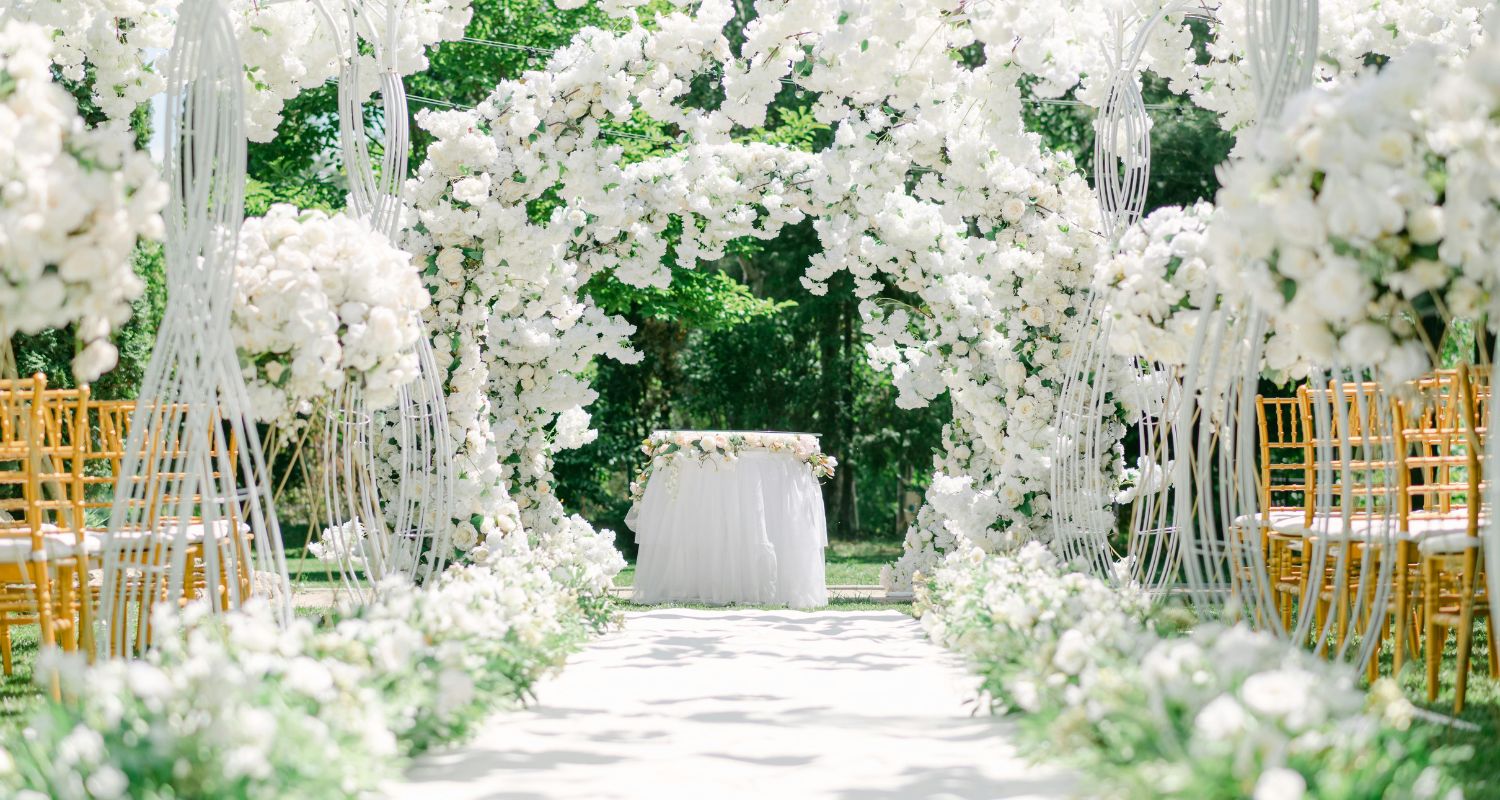
AI can also draft Pinterest-style descriptions to refine your vision before consulting a florist or designer. AI can also draft Pinterest-style descriptions to refine your vision before consulting a florist or designer. Couples can explain their venue, number of guests, and general atmosphere to AI, such as “romantic mountain wedding with warm lighting and natural florals.” The AI then comes up with ideas for décor and layouts that they may present to their florist or planner to better convey the concept.
Step 5: Organize Guest Logistics
Guest management becomes complex quickly.
AI can assist with:
- Table seating arrangements for 8–10 guests
- RSVP tracking templates
- Travel guidance and FAQ drafts
- Welcome bag checklist creation
For weddings over 100 guests, structured seating automation can save several hours.
AI can also help draft:
- Estimate shuttle or transportation schedules
- Summarize hotel block details
What couples often do is use AI to help sort their guest list into balanced tables and draft quick FAQ answers for travel details. Instead of manually organizing everything, they use AI to structure the information first, then make adjustments based on family dynamics and guest preferences.
Pros and Considerations
Pros:
- Reduces planning stress
- Creates structured decision frameworks
- Improves communication clarity
- Prevents missed deadlines
- Provides transparent budgeting
Considerations:
- AI can’t gauge vendor personality fit
- Requires verification of details
- Does not replace legal contract review
- Cannot coordinate events live
AI increases efficiency but does not replace professional services.

Common Mistakes When Using AI
Avoid these errors:
- Ignoring local pricing differences
- Relying on AI for final contract interpretation
- Skipping verification steps
- Using AI only once instead of consistently
The quality of output depends on the clarity of input.
FAQs
Can AI replace a wedding planner?
No. Wedding planners coordinate vendors, manage timelines, and handle day-of logistics. AI cannot physically execute an event.
Is AI accurate for wedding cost estimates?
AI provides reliable national averages but should be verified locally.
Can AI help with seating charts?
Yes. It can organize guest groupings and table distributions efficiently.
Is AI useful for small weddings?
Yes. It simplifies even micro-wedding logistics and communication.
Should I share contracts with AI?
AI can summarize terms, but you should always read contracts carefully and consult professionals if needed.
Does AI reduce stress?
Most couples find that structured planning tools reduce overwhelm and decision fatigue.
Technology Is Your Planning Assistant, Not Your Planner
AI works best when you treat it as a highly organized assistant. It handles structure, comparison, and drafting so you can focus on meaningful choices and personal details. The most successful weddings combine smart technology with experienced vendors and thoughtful decision-making.
Need help planning your session? Getting support from a single, experienced team for photography, videography, DJ services, photo booth, or day-of coordination can make planning and executing your wedding much smoother and more effortless.