How to Preserve Your Wedding Memories Beyond Photos and Video
Wedding photos and videos capture the moments you can see, but there are many other ways to preserve the memories of your wedding day. From saving handwritten vows and recording messages from loved ones to preserving your bouquet, wedding attire, and meaningful keepsakes, these personal touches can help you revisit your celebration for years to come. The best approach is to choose keepsakes that reflect your story as a couple and store them properly so they can be enjoyed well into the future.
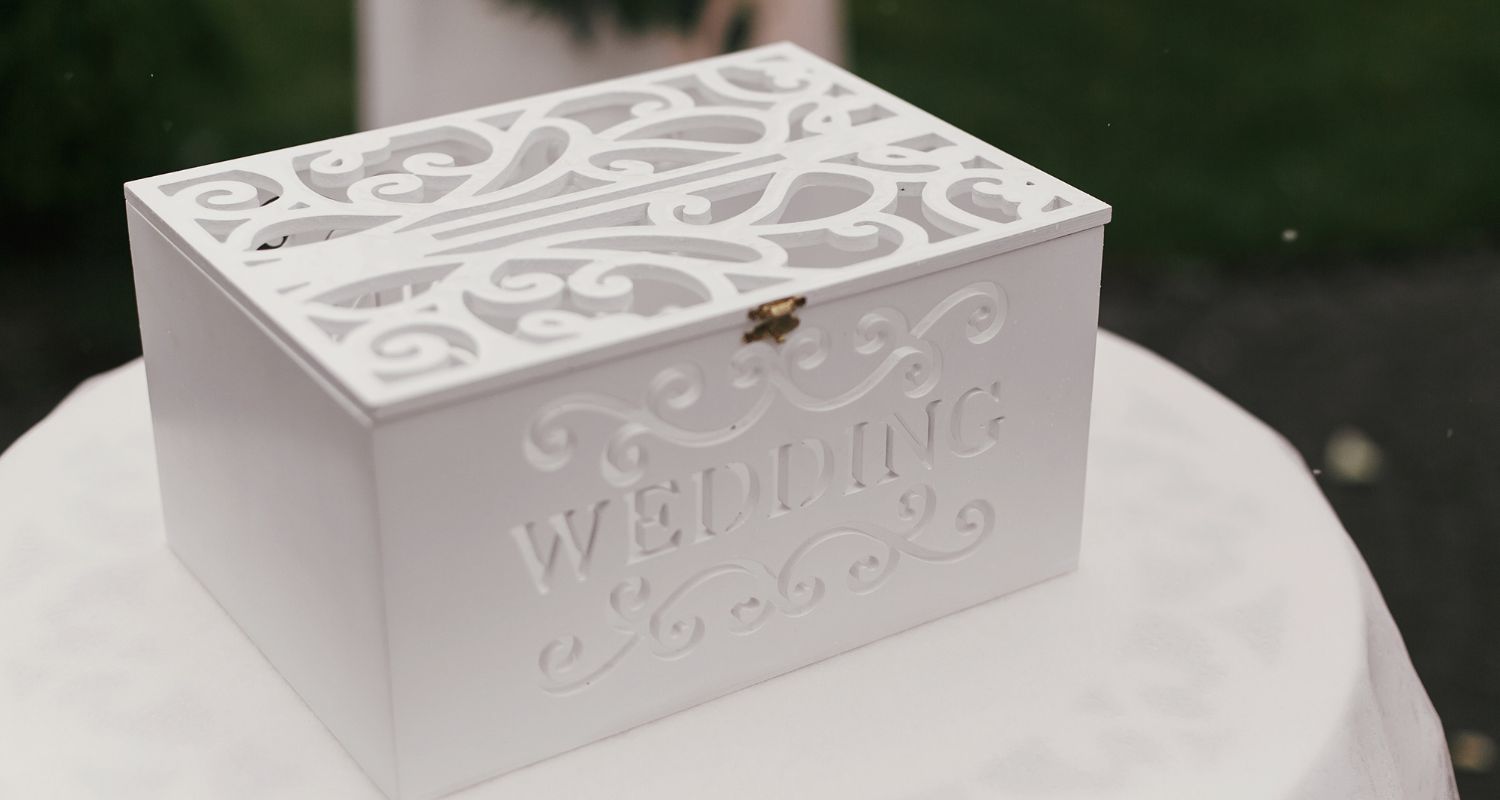
1. Create a Wedding Keepsake Box
A wedding keepsake box gives you one place to store the small details that made your celebration special. Unlike a photo album, it can hold physical items connected to the people, traditions, and moments you want to remember.
Consider including:
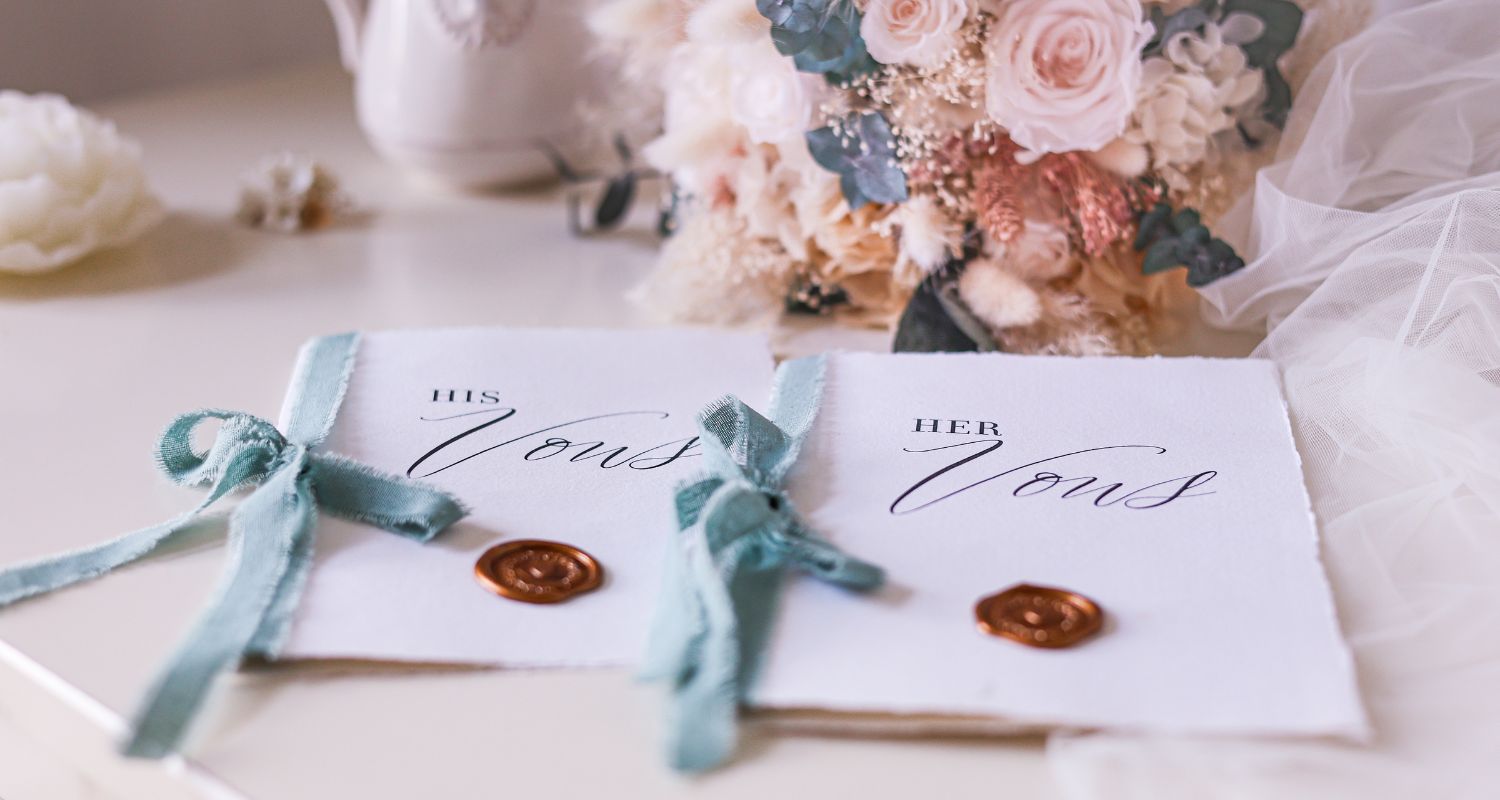
- Your wedding vows: Keep the original handwritten notes or print a copy of the vows you exchanged.
- Wedding invitations and stationery: Save your invitation suite, ceremony program, place cards, or seating chart.
- Letters and cards: Include handwritten notes from your partner, family members, or wedding guests.
- Small wedding details: Preserve a ribbon from your bouquet, a favor, a meaningful accessory, or a copy of your wedding menu.
- A memory journal: Write down your favorite moments, funny mishaps, and things you remember hearing throughout the day.
Preservation tip: Use a clean, dry storage space away from direct sunlight, excessive heat, and moisture. For delicate paper items, choose suitable archival-quality enclosures and avoid attaching keepsakes with ordinary tape or glue.
2. Preserve Your Wedding Bouquet
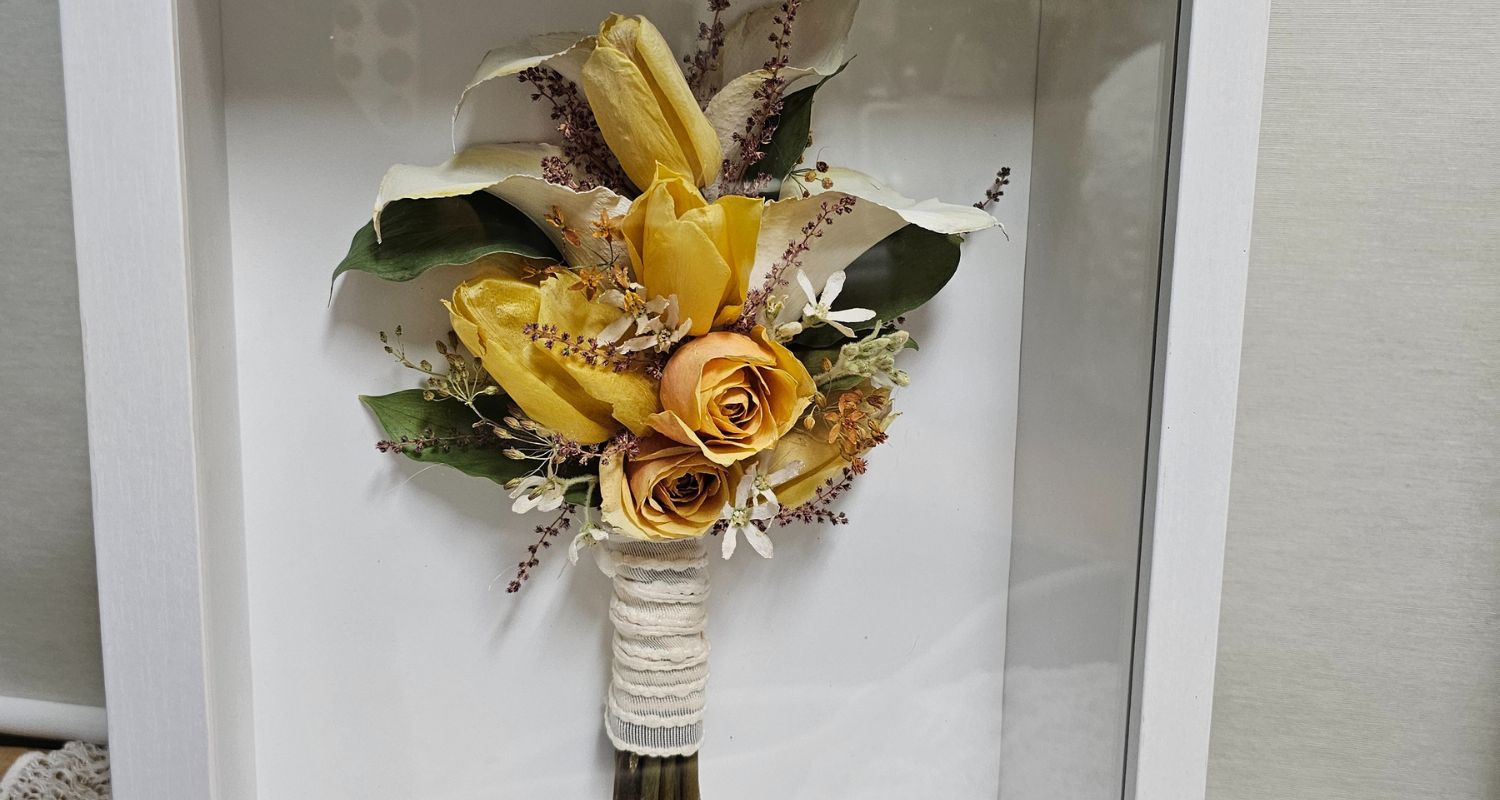
Your wedding flowers can be more than a beautiful detail from the ceremony. Preserving selected blooms can turn your bouquet into a lasting decorative piece or personal keepsake.
Here are a few options to consider:
- Pressed flowers: Flowers are flattened and dried, making them suitable for framed artwork, depending on the flower type and preservation method.
- Dried bouquets: Some flowers can be air-dried or professionally dried and arranged for display.
- Resin keepsakes: Preserved flowers may be incorporated into decorative objects, jewelry, or other custom pieces.
- Floral artwork: Commission an illustration or painting inspired by your bouquet if you prefer an artistic interpretation rather than preserving the actual flowers.
Fresh flowers begin changing after they are cut, so plan ahead if you want to preserve your bouquet. Contact your chosen preservation specialist before the wedding to learn how quickly the flowers need to be delivered and how they should be handled.
Keep in mind that preserved flowers can change color or become fragile over time. The final appearance and longevity depend on the flowers, preservation technique, materials, and storage conditions.
3. Save Your Wedding Audio and Guest Messages
Some of the most meaningful wedding memories are things you hear rather than see. Your partner’s vows, a parent’s speech, your friends’ laughter, and the advice guests share can become treasured reminders of the day.
Here are a few ways to keep those memories:
- Record an audio guestbook: Guests leave voice messages using a recording phone or another audio guestbook setup.
- Save speeches and toasts: Ask your videographer or designated recording person whether the speeches can be captured clearly and saved separately.
- Keep your ceremony audio: If your vows are recorded, ask for an accessible copy of the audio when available.
- Create a message collection: Invite guests to write or record a short message for you to revisit on your first anniversary or another milestone.
Before the wedding, confirm who will handle the recordings and how the files will be delivered. Make sure guests understand when they are being recorded and how the recordings will be used.
Preservation tip: Save the original audio files in a common, widely supported format, keep more than one copy, and store copies in separate locations. Test the files periodically to make sure they still open and play correctly.
4. Turn Your Wedding Day Into a Piece of Art
If you want something you can display in your home, consider turning your wedding memories into original artwork.
A commissioned piece can capture a favorite moment in a different way from a photograph. Depending on your preferences, you could choose:
- Live wedding painting: An artist paints a scene from your celebration while the wedding unfolds.
- Custom couple portraits: Commission an illustration or painting based on a favorite wedding photo.
- Venue artwork: Preserve the landscape, mountain views, or architecture of the place where you exchanged vows.
- Vow prints: Have your vows or a meaningful line from your ceremony designed as decorative typography.
A live wedding painter can also give guests something memorable to watch during the celebration. If you choose this option, discuss the artist’s setup, painting style, expected completion time, and whether finishing work will take place after the wedding.
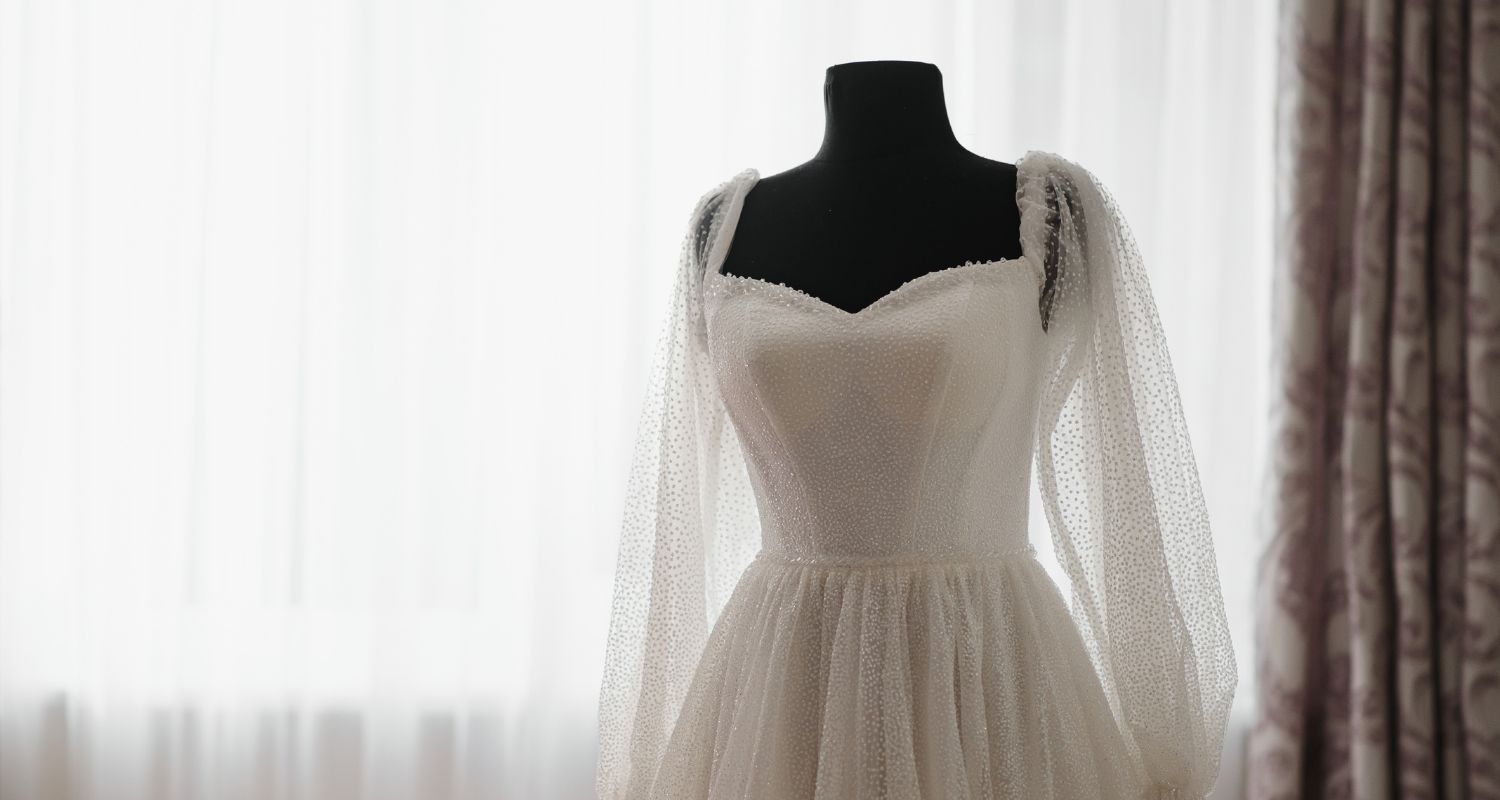
5. Preserve Your Wedding Dress and Accessories
Your wedding attire may hold sentimental value long after the celebration. Whether you plan to pass it down, display it, or simply keep it as a personal keepsake, proper care can help protect it.
You can preserve:
- Your wedding dress, veil, or train.
- A tie, pocket square, or other meaningful accessory.
- Shoes, jewelry, or hair accessories.
- A handkerchief or another item carried by a family member.
- Special clothing or accessories connected to your wedding traditions.
After the wedding, ask a qualified cleaner or gown preservation specialist about the appropriate treatment for your garment. Different fabrics, embellishments, and stains may require different care, so avoid assuming that every dress can be cleaned or stored in the same way.
6. Make a Wedding Memory Book With Messages From Loved Ones
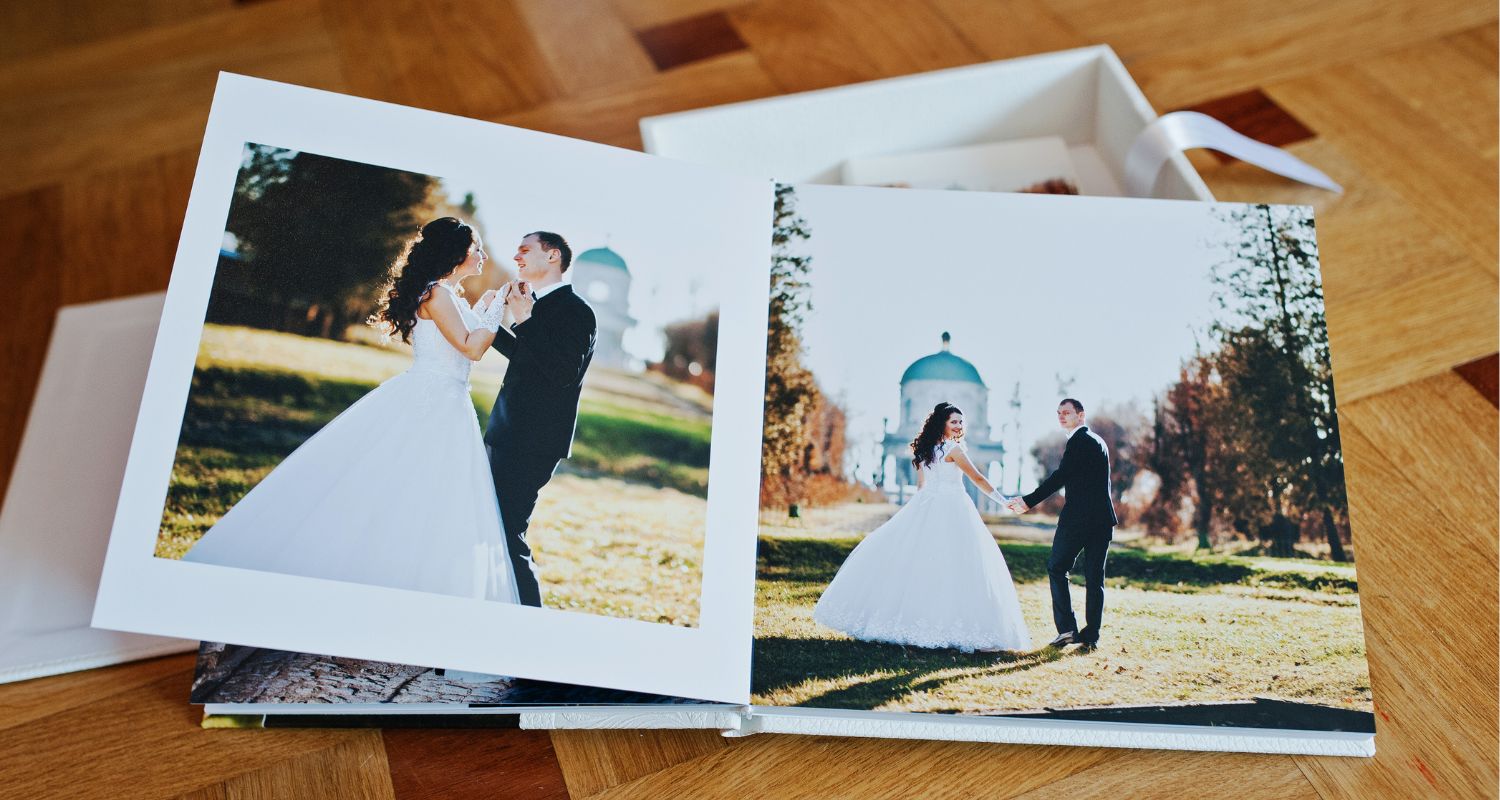
Your wedding day is also a collection of stories shared by the people who celebrated with you. A memory book can preserve those voices in writing and give you something meaningful to revisit together.
Instead of collecting only signatures, invite guests to answer one simple question, such as:
- What is your favorite memory of us as a couple?
- What advice would you give us for our marriage?
- What do you hope our life together looks like in ten years?
- What was your favorite moment from the wedding?
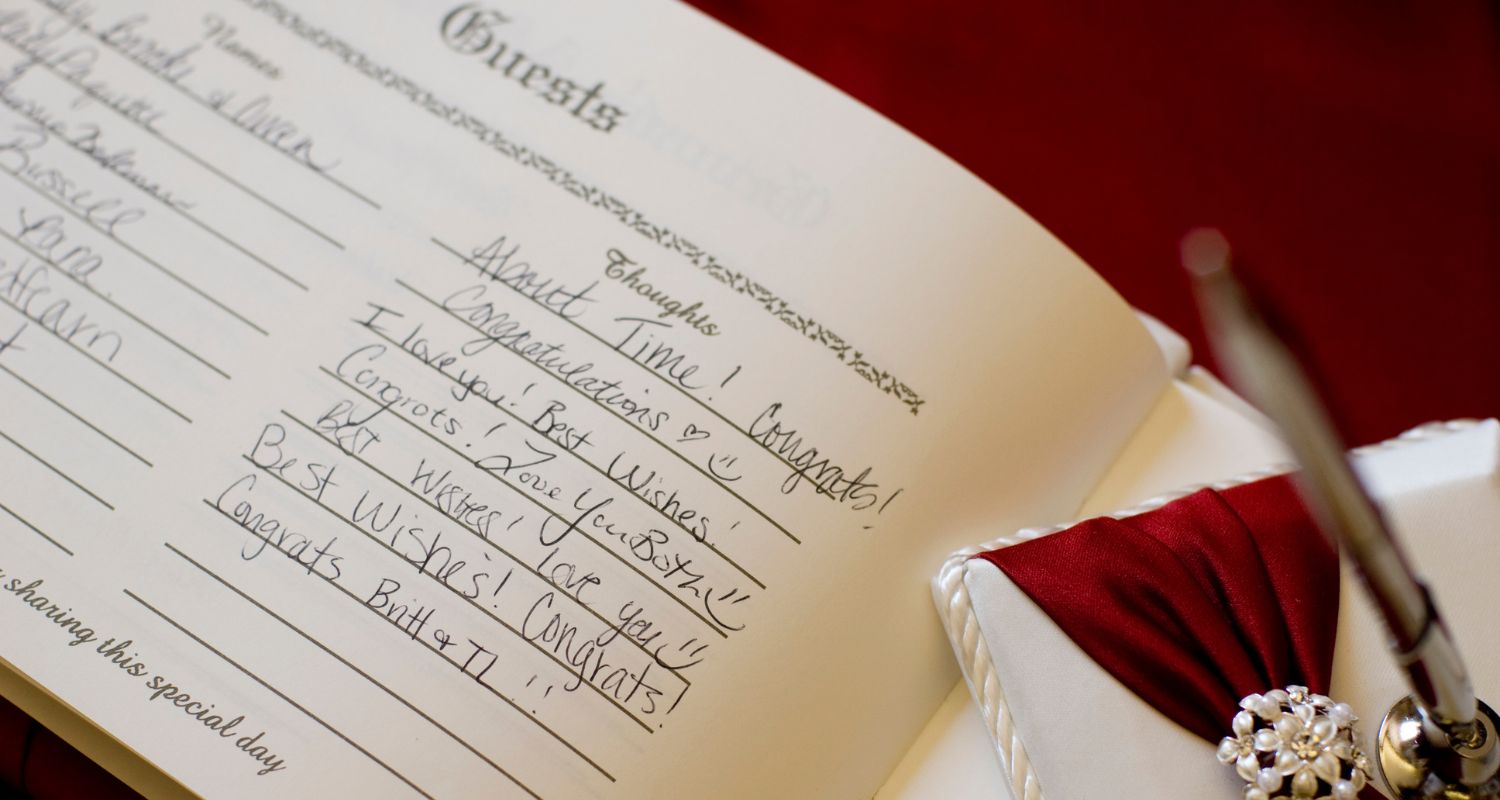
You can use a traditional guestbook, individual message cards, or a scrapbook that combines written notes with invitations and other paper details.
For a more personal touch, ask a few close family members to write letters for you to open on a future anniversary. Let them know the deadline in advance so they have time to prepare their messages.
7. Build a Digital Archive of Your Wedding Memories
Physical keepsakes are meaningful, but digital files also need a preservation plan. Wedding recordings, audio messages, scanned letters, digital guestbook entries, and other files can become difficult to access if they are stored in only one place or on outdated media.
A simple digital archiving routine can help:
- Gather your files. Collect your audio recordings, digital messages, scanned documents, and other important wedding files.
- Organize everything. Use clearly labeled folders and descriptive file names so you can find specific memories later.
- Keep multiple copies. Store at least two copies on separate storage media and in different physical locations where practical.
- Use cloud storage as an additional option. A reputable cloud service can provide another copy, but check its account, access, and retention policies.
- Check your files regularly. Open selected files to confirm they remain readable and playable.
- Refresh your storage. Copy files to current storage media when necessary rather than relying indefinitely on an aging drive or device.
The Library of Congress recommends maintaining copies in separate locations and moving digital files to current storage media periodically. These practices help reduce the risk of losing important files.
8. Choose Keepsakes That Fit Your Story
You do not need to use every preservation idea to make your wedding memories last. The most meaningful keepsakes are the ones that remind you of your relationship, the people who supported you, and the experience you shared.
Consider your priorities as a couple:
- If you love sentimental details: Save letters, vows, cards, and personal notes.
- If you love home decor: Consider a wedding painting, pressed flowers, or a framed vow print.
- If family traditions matter to you: Preserve meaningful accessories, heirlooms, and handwritten messages from relatives.
- If you value hearing loved ones’ voices: Keep audio guestbook recordings and speeches.
- If you want a little of everything: Combine a keepsake box with a digital archive so you have both physical and digital reminders.
You can also plan for these keepsakes while organizing your wedding. Talk with your coordinator and other vendors about when items should be collected, who will take them home, and how recordings or artwork will be delivered.
9. Donate Your Wedding Dress for a Meaningful Cause
Your wedding dress can serve a purpose long after your wedding day. Some organizations accept donated bridal gowns and carefully repurpose the fabric into burial gowns for babies, quilts, and keepsakes for families experiencing pregnancy or infant loss.
Here are a few options to consider:
- Bridal gown donations: Organizations accept donated wedding dresses through their Angel Gown Program. Volunteers transform the gowns into garments for babies who have passed away, providing comfort to grieving families.
- Burial gowns and keepsakes: Little Angel Gowns repurposes donated wedding dresses into burial garments for infants. These handmade gowns are provided to families at no cost.
- Quilts and memory items: Some bridal gown recycling programs use leftover fabric to create quilts, blankets, and other keepsakes for families. Contact the organization directly to confirm whether it currently offers these items.
Before donating, check each organization’s guidelines for accepted dresses, embellishments, shipping, and donation availability. Not every program accepts gowns year-round or makes quilts.
Donating your wedding dress is a meaningful way to give it a second life. A dress that once celebrated a new beginning can help bring comfort to families during an incredibly difficult time.
Helpful Colorado Wedding Keepsake Resources
If you’re planning a wedding in Northern Colorado or the surrounding area, these businesses and services may help you explore ways to preserve parts of your celebration. Check current services, availability, and pricing directly with each provider.
- Wild Blossoms Studio — Based in Fort Collins, this studio turns wedding bouquets into pressed floral artwork that couples can display in their homes.
- Petals and Posies Flower Preservation Services — Serving Northern Colorado, including Loveland, Fort Collins, and Estes Park, this business offers pressed, 3D, and resin floral preservation options.
- Encore Bridal Loft — A Fort Collins bridal shop that offers wedding gown cleaning and preservation services to help protect your dress after the celebration.
- Change of A Dress Alterations — A Fort Collins bridal alterations studio that provides information about wedding gown preservation options for couples who want to keep or repurpose their dresses.
- Leave A Legacy, Inc. — A Fort Collins media preservation service that helps convert older recordings and media into modern digital formats, making it a useful option for preserving family videos and other sentimental recordings.
These are starting points for exploring your options, not endorsements or guarantees of availability. Confirm the details of each service before booking.
Frequently Asked Questions
1. What are the best ways to preserve wedding memories besides photos and video?
Popular options include keeping handwritten vows, creating a wedding keepsake box, preserving your bouquet or wedding dress, recording guest messages, commissioning artwork, and creating a memory book. The best choice depends on which details of your celebration are most meaningful to you.
2. How do you preserve a wedding bouquet?
Common methods include pressing, drying, and professional floral preservation. The best method depends on the flower varieties and the look you want, so contact a preservation specialist before the wedding for instructions on handling and delivery.
3. How should you store wedding keepsakes long-term?
Store physical keepsakes in a clean, dry, stable environment away from direct sunlight and excessive heat or moisture. Use suitable protective enclosures for delicate materials, and follow specialist advice for items such as wedding dresses, photographs, and preserved flowers.
4. How can you keep wedding audio recordings safe?
Keep multiple copies of your audio files on separate storage media and, where practical, in separate physical locations. Check periodically that the files still play correctly and move them to current storage when needed.
5. When should you start preserving wedding memories?
Start planning before the wedding, especially if you want to preserve fresh flowers, record guest messages, or commission a live artist. After the celebration, gather your keepsakes promptly and follow the care instructions appropriate to each item.
6. Are wedding keepsakes worth the extra cost?
They can be worthwhile if they preserve something personally meaningful to you. You do not have to spend a lot: handwritten vows, letters, a memory journal, and a carefully organized digital archive can be meaningful without requiring professional services.
Keep the Memories That Matter Most
Your wedding memories are about more than the moments captured on camera. They include the words you exchanged, the voices of the people who celebrated with you, the details you chose, and the experiences that made the day yours.
Need help planning your Northern Colorado wedding? Getting support from a single, experienced team for photography, videography, DJ services, photo booth, or day-of coordination can make planning and executing your wedding much smoother and more effortless.