Day-of Timeline Templates for Trendy Weddings

One of the biggest keys to a stress-free wedding day? A solid timeline.
While every couple’s big day looks different, having a structured plan ensures your photographer captures every moment, your DJ keeps flow and energy moving, and your vendors stay perfectly in sync. Below are ready-to-use day-of timeline templates for today’s most popular wedding formats.
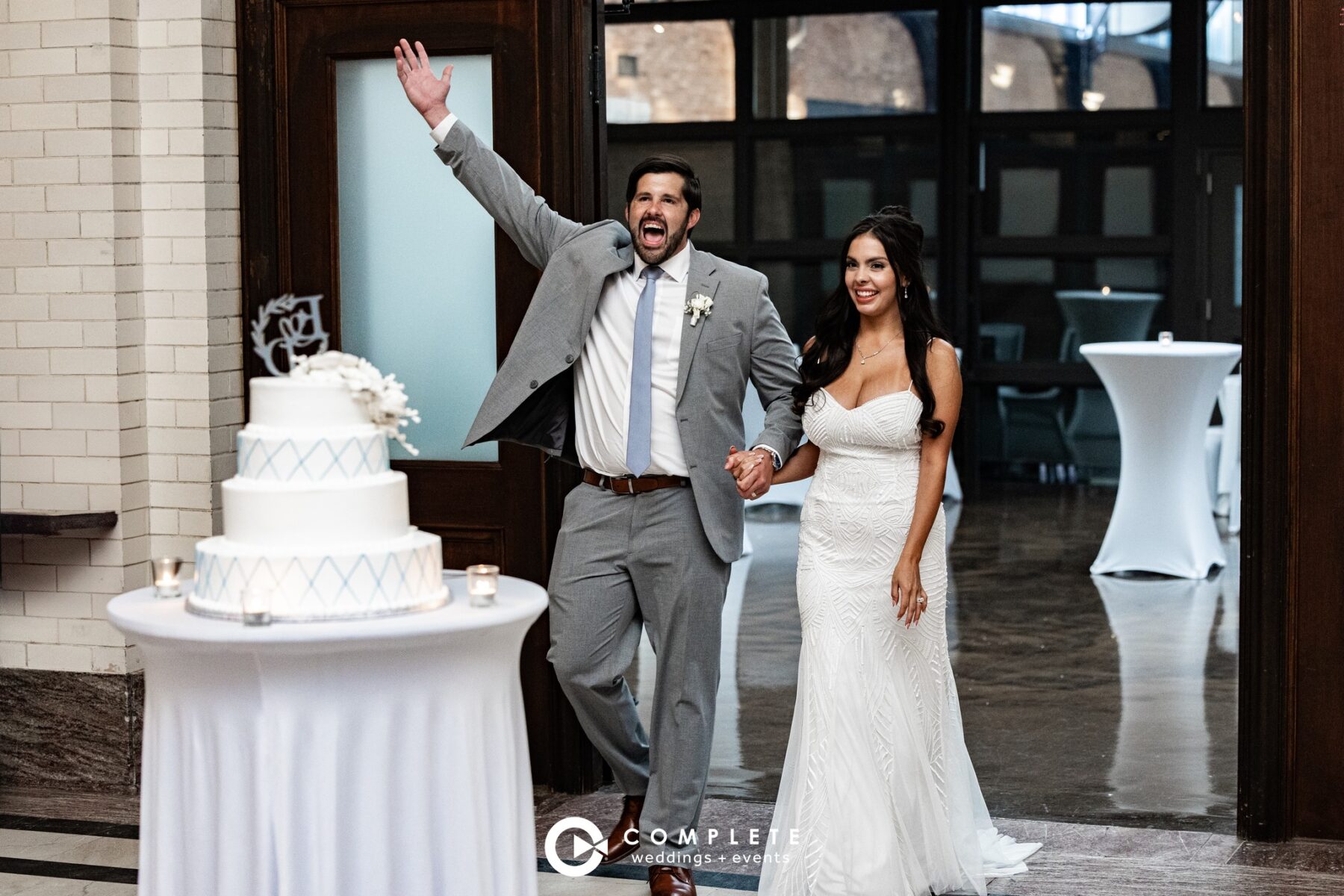
A wedding day timeline isn’t just a schedule; it’s the backbone of your entire experience. The difference between a chaotic day and a seamless, luxury-feeling event? A well-built, intentional timeline.
Whether your vibe is editorial, romantic, non-traditional, or full-on party mode, your timeline should reflect how you want your day to feel, not just what needs to happen.
Let’s break down exactly how to structure it, and give you plug-and-play templates you can actually use.
The “Trendy Wedding” Shift: What’s Different Now
Modern weddings are moving away from traditions and toward:
- Private vows before the ceremony
- First looks (or even first touches)
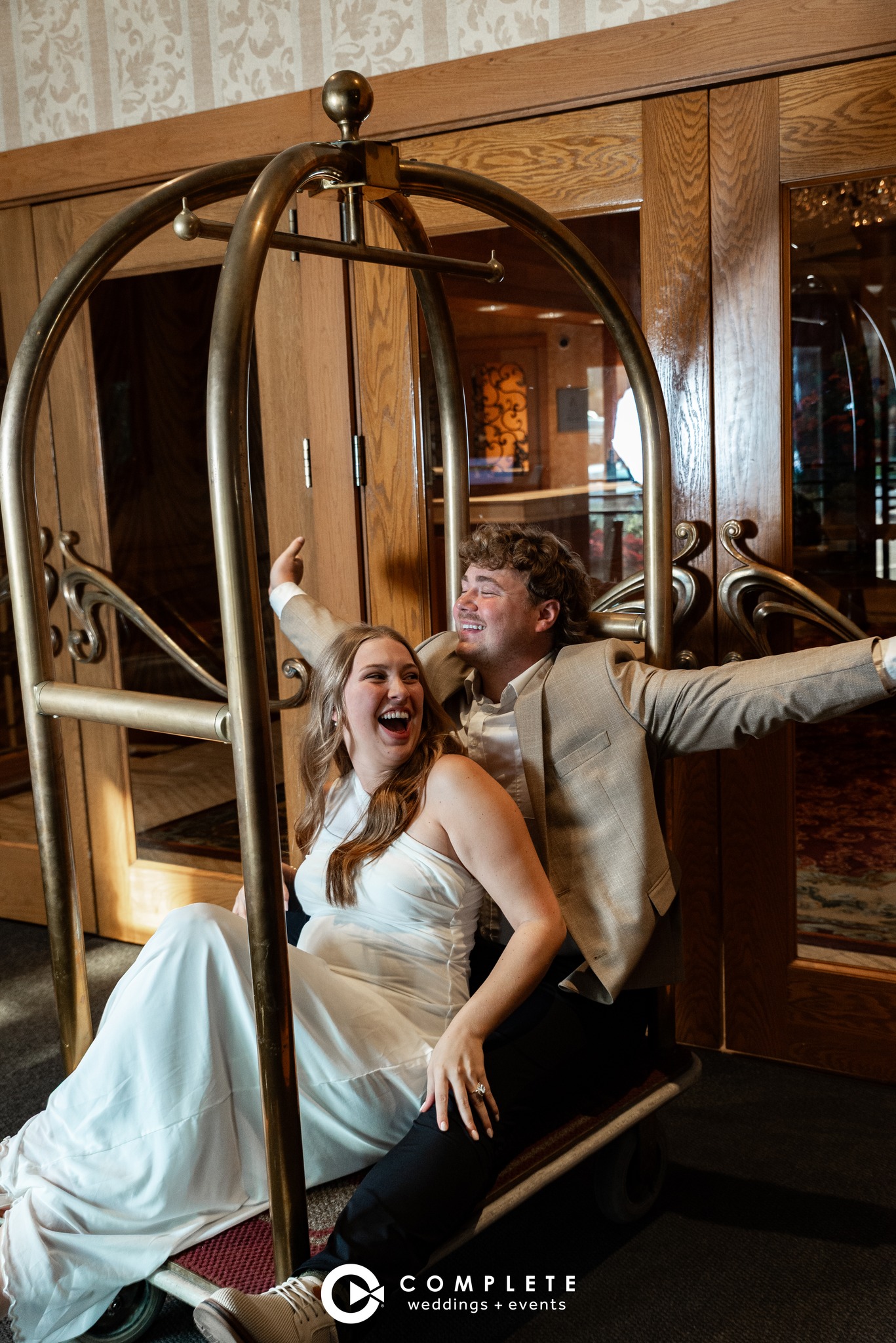
- Bridal party first looks and pranks
- Extended cocktail hours for guest experience
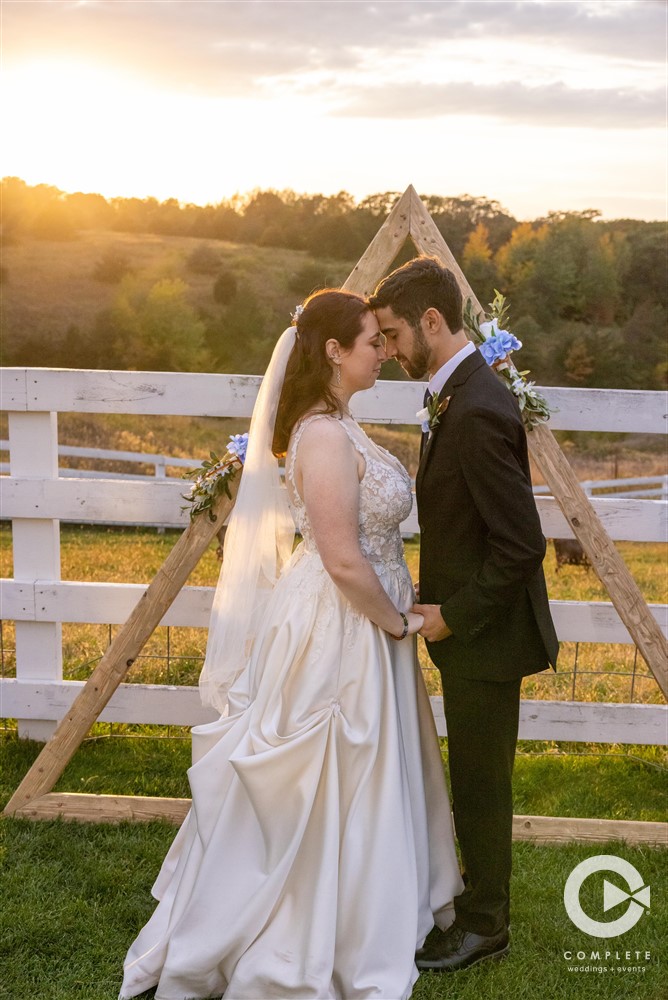
- Golden hour portraits (non-negotiable)
- Late-night outfit changes + dance floor moments
Your timeline will need to adapt for any “Trendy” moments you would like to include in your wedding day. Talk with your coordinator and photographer about how much time will be needed for moments you would like added into your timeline.
Pro Tips from the Pros (This Is What Most People Miss)
The most unforgettable weddings aren’t the ones that run perfectly on time—they’re the ones where the couple actually had space to breathe, laugh, and soak it all in.
- Pad everything by 10–15 minutes. Hair, travel, family wrangling—it all runs late.
- Golden hour is non-negotiable. Build your timeline around it, not as an afterthought.
- Limit locations. More movement = more stress.
- Assign a timeline point person. (Planner, coordinator, or assertive friend)
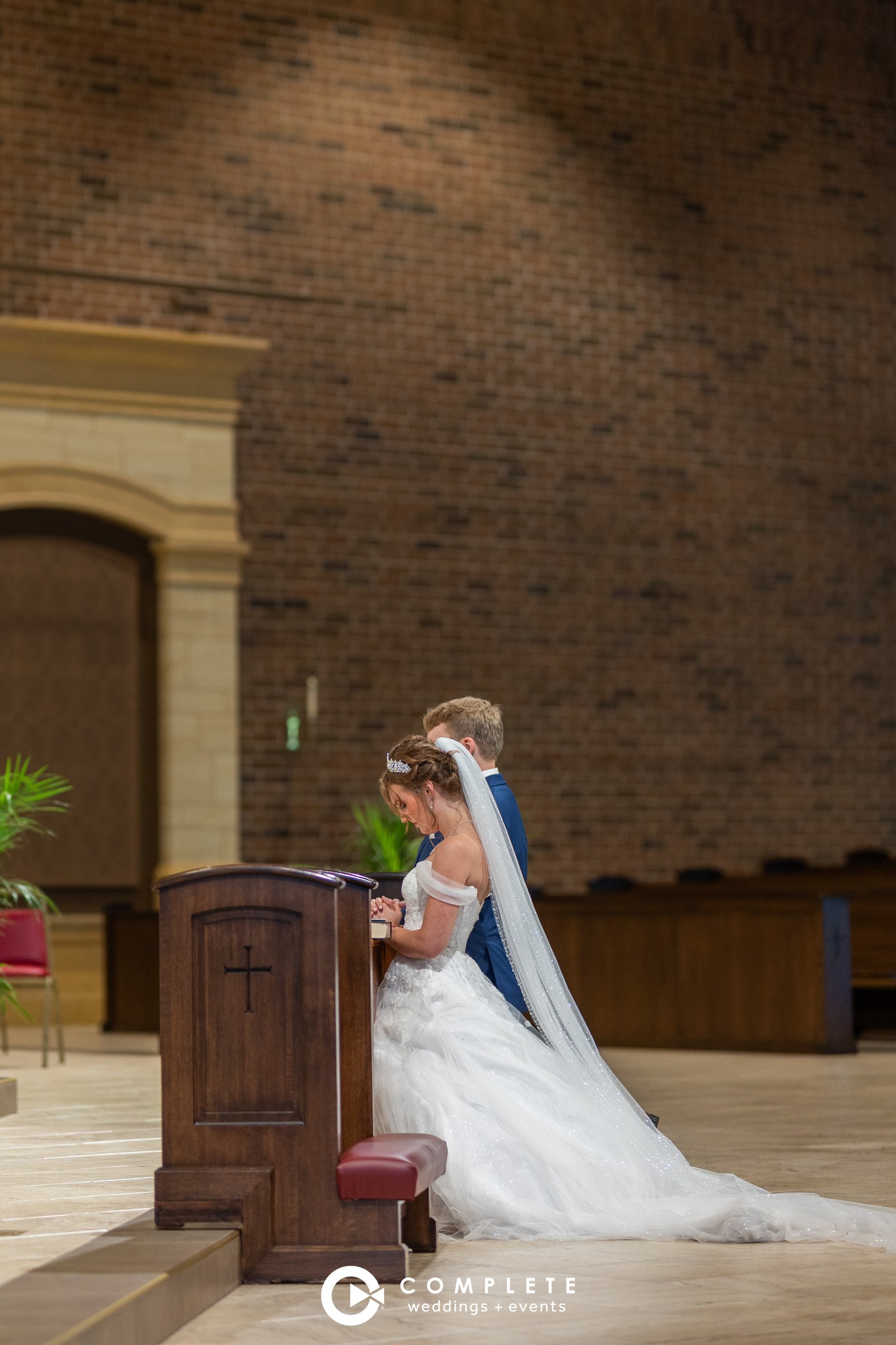
- Protect quiet moments. Private vows, a solo drink together, 5 minutes alone—it matters.
We have the perfect team of coordinators that can help you build a timeline for your that is fully customized to your wants and needs. The best timelines don’t just organize your day—they design your experience. Your wedding shouldn’t feel like a checklist. It should feel like a story unfolding in real time… with just enough structure to let you actually live in it.
Timeline-Building Tips
When it comes to your wedding day timeline, small decisions make a huge impact on how your day actually feels. Here are a few key tips to build a timeline that flows effortlessly:
1. If you’re not seeing each other before the ceremony, plan for a 1.5-hour cocktail hour
If 100% traditional, is you and your skipping the first look, all of your couple, family, and wedding party photos will happen after the ceremony. A standard one-hour cocktail hour often isn’t enough and can leave you feeling rushed or missing key moments. Extending to 90 minutes gives you breathing room while your guests stay entertained. Try adding some entertainment to your cocktail hour also.
2. If you’re doing a first look (and everything is at one location), schedule it 2 hours before your ceremony
This is typically what wedding professionals will recommend, and for good reason. It creates a flow that allows you to actually experience your wedding day instead of rushing through it. By scheduling your first look, bridal party photos, and family photos before the ceremony, you’re setting yourself up for a much more relaxed timeline. Add in about 30 minutes of intentional downtime, and suddenly you have space to breathe, reset, and be present. Then, once your ceremony is over, you’re free to fully enjoy cocktail hour and spend meaningful time with your guests, rather than being pulled away for photos. It’s not just efficient… it’s a completely different wedding day experience.
3. Build your timeline in 30-minute increments not 15 minutes
When building your timeline, think in 30-minute increments and assign clear intentions to each block of time. Instead of vague placeholders, outline exactly what you want to accomplish. Whether that’s bridal party photos, transportation, or a quiet reset before the ceremony. This approach keeps your day structured without feeling overwhelming. At the same time, remember that your timeline is a guide, not something you need to micromanage. The professionals you’ve hired, your planner, photographer, and vendor team, are there to keep everything on track so you can stay present and fully enjoy each moment as it unfolds.
4. Protect at least one quiet moment together
Whether it’s private vows, a first look, or sneaking away for 5 minutes after your sunset. This is often the moment couples remember most. Build it in on purpose. Use your team to help make that happen. They can pull you away and give you the time you need.
5. Minimize location changes whenever possible
The more you move between venues, the more time you lose. Try to keep getting ready, ceremony, and reception in one place (or very close) creates a smoother, more elevated experience. Plan your transportation. Who is driving? Who is in what car? If it is 10 minutes away put buffer time for forgotten items or uncoordinated friends.
6. Sunset
Look up sunset time for your wedding date and plan your photos for about 20 minutes before sunset. This is when the lighting is soft, flattering, and honestly… kind of magical. It’s one of the easiest ways to elevate your gallery without adding stress to your timeline.